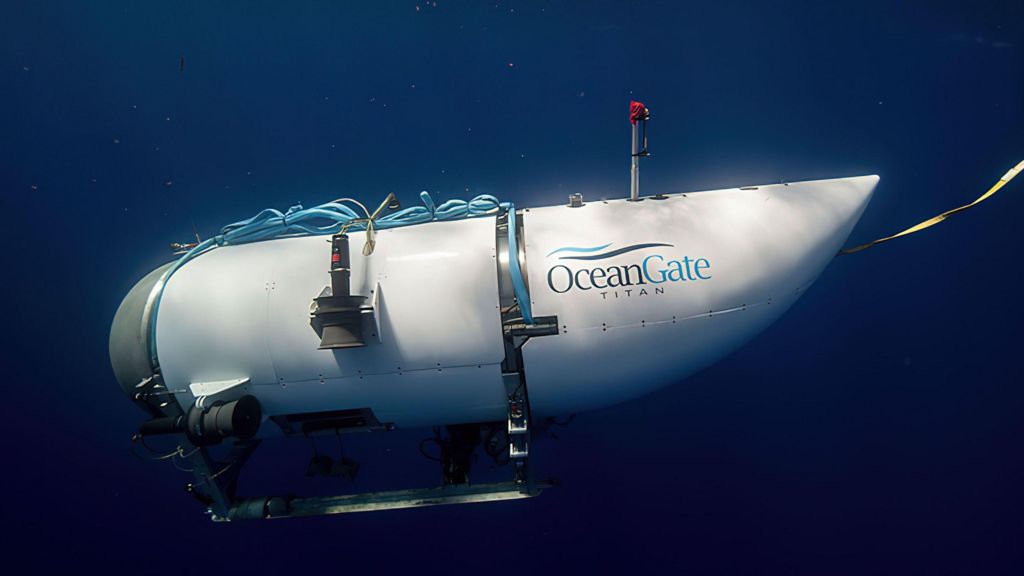
A comprehensive investigation by the US National Transportation Safety Board (NTSB) has unveiled critical engineering flaws and inadequate testing as the primary causes of the catastrophic implosion of OceanGate’s Titan submersible during its ill-fated journey to the Titanic wreck in June 2023. The incident claimed the lives of all five passengers on board, including OceanGate’s CEO, Stockton Rush. The NTSB report highlights that the submersible’s engineering process was ‘inadequate,’ failing to meet essential strength and durability standards. Furthermore, the company did not conduct sufficient testing to determine the vessel’s actual capabilities, nor was it aware of pre-existing damage that should have grounded the Titan before its final voyage. The submersible disappeared in the North Atlantic, approximately 372 miles from St. John’s in Newfoundland and Labrador, Canada, while attempting to reach the Titanic wreck. Earlier in August, the US Coast Guard had released a scathing report, labeling the incident as ‘preventable’ and condemning OceanGate’s ‘critically flawed’ safety practices. Among the passengers were deep-sea explorer Paul-Henri Nargeolet, Shahzada Dawood, his 19-year-old son Suleman Dawood, and Hamish Harding, each having paid $25,000 for the expedition. The tragedy has raised significant concerns about the safety protocols and engineering standards in deep-sea exploration ventures.