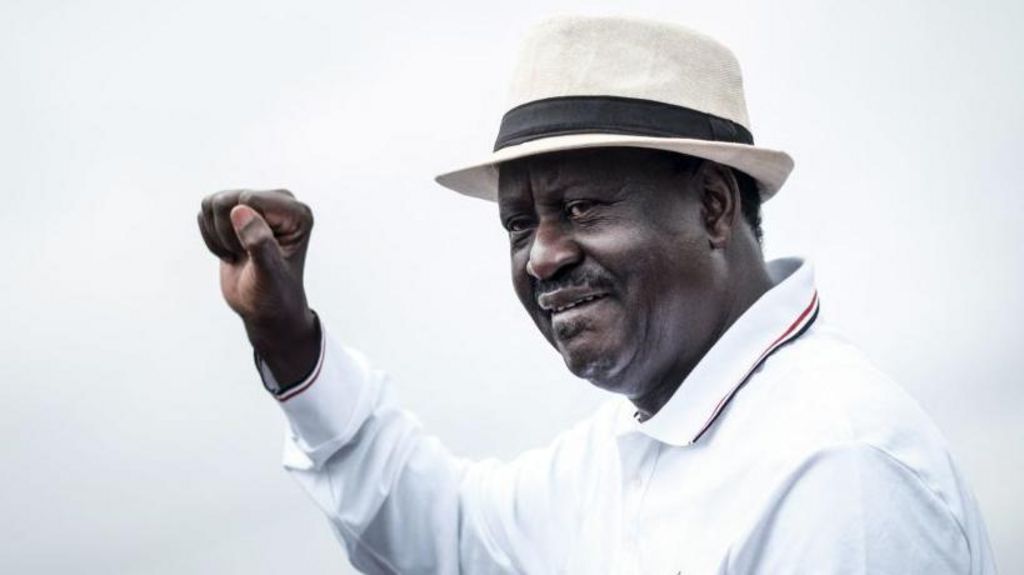
Raila Odinga, one of Kenya’s most prominent and enduring political figures, passed away on Wednesday morning at the age of 80 in India, where he had been receiving treatment for an undisclosed illness. Known affectionately as ‘Baba’ (father), Odinga was a firebrand politician and a staunch advocate for multi-party democracy, earning both fervent support and fierce opposition throughout his career. His death marks the end of an era for Kenya and leaves a significant void in the country’s political landscape as it approaches the 2027 elections. Odinga, a veteran opposition leader, made five unsuccessful presidential bids, coming closest to the presidency in 2008 when he was appointed prime minister in a coalition government. Despite his political misfortunes, he remained a formidable force, with successive Kenyan presidents seeking his support to govern effectively. In 2022, he made his final bid for the presidency, choosing former Justice Minister Martha Karua as his running mate—a historic move that was widely celebrated. Odinga’s legacy extends beyond Kenya; he was a dedicated pan-Africanist who championed African unity and self-reliance, serving as the African Union High Representative for Infrastructure Development from 2018 to 2023. Born into a famous political family, Odinga followed in the footsteps of his father, Jaramogi Odinga, Kenya’s first vice-president, who fell out with the country’s founding leader, Jomo Kenyatta. Raila Odinga’s life was marked by struggle, including two periods of detention during the rule of Daniel arap Moi, Kenya’s second president. He was also a former political prisoner, holding the record for being Kenya’s longest-serving detainee. Odinga’s commitment to democracy and his role in Kenya’s political history will be remembered, even as questions about the fairness of the electoral system he criticized remain unresolved.