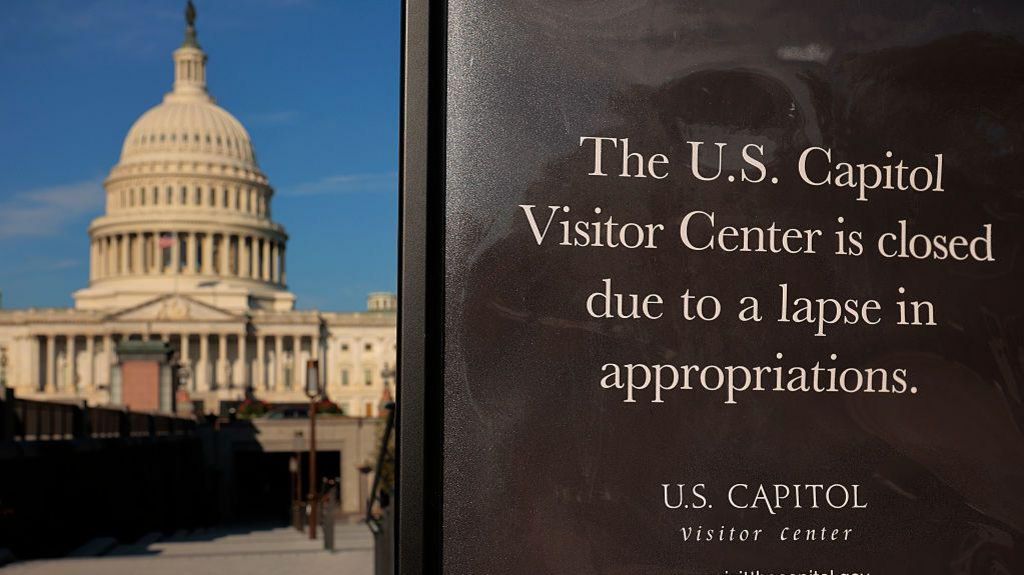
The ongoing U.S. government shutdown has plunged millions of federal employees into financial uncertainty, with widespread repercussions for the economy and individual households. Michael Galletly, an IT management specialist at Utah’s Department of Agriculture and president of the American Federation of Government Employees Local 4016, is among those affected. Placed on unpaid leave, Galletly and his wife spent hours strategizing how to navigate the crisis, cutting back on expenses and delaying major purchases. ‘I could make it two months, maybe three lean, very lean months,’ he said, expressing uncertainty about the shutdown’s duration. The impasse has disrupted travel, delayed government approvals, and shuttered museums, with broader economic impacts now emerging. Analysts warn that the shutdown is reaching a critical inflection point, with business and consumer confidence declining. The suspension of key economic data releases, such as the monthly jobs report, has added to the uncertainty, forcing firms to delay spending decisions and increasing the risk of policy errors. In Utah, Galletly has applied for unemployment insurance and sought accommodations from banks holding his mortgage and car loans. ‘Having been through this before—this is my third government shutdown as a federal employee—I just can’t afford to hope for the best,’ he said. The Trump administration’s unprecedented threats to deny backpay and initiate permanent firings have heightened the stakes, particularly in a slowing economy already strained by tariffs, immigration rule changes, and earlier spending cuts. Economists project a 0.2 percentage point hit to quarterly growth per week, with potential long-term damage if the shutdown persists. The Washington, DC region, already reeling from earlier government cuts, faces severe repercussions, with consumer spending in the metro area dropping significantly during the 2013 shutdown. Local businesses, such as Duke’s Counter near the National Zoo, have seen sales plummet by over 50%. ‘It’s not just federal workers and contractors who are affected here. It’s the entire ecosystem,’ said Daniel Kramer, the restaurant’s managing partner. As the shutdown drags on, families like Allison’s in Ohio are making difficult choices, canceling trips and deferring mortgage payments. ‘If this continues through December, I don’t know what we’re going to do,’ she said, highlighting the widespread anxiety gripping federal employees and their communities.