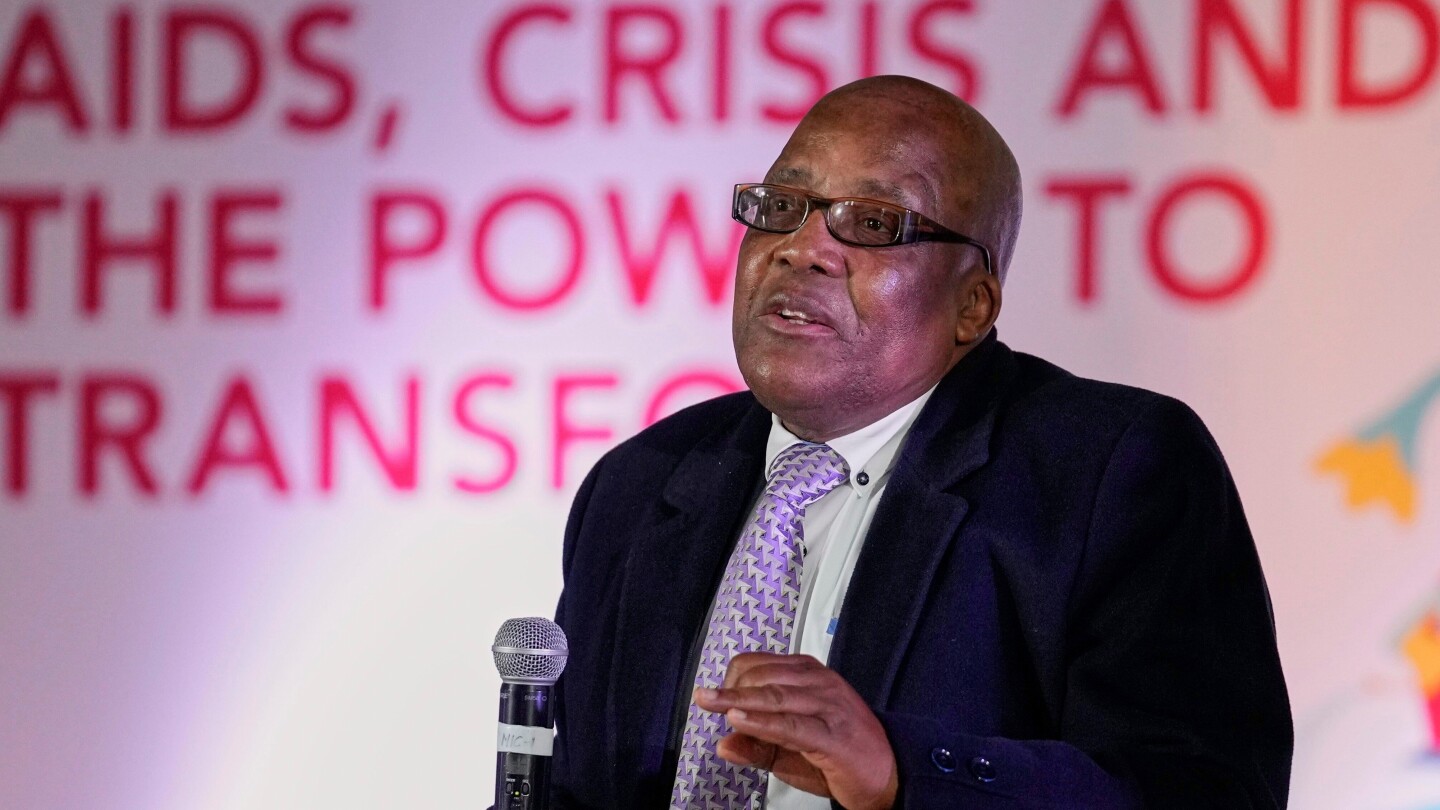
South Africa’s Health Minister, Aaron Motsoaledi, has hailed the introduction of lenacapavir, the world’s first twice-yearly HIV prevention injection, as a groundbreaking development in the fight against the disease. However, he cautioned that the initial supply, funded by a $29.2 million Global Fund grant and an additional $5 million from the Networking HIV and AIDS Community of Southern Africa (NACOSA), will be limited to nearly half a million people in the country with the highest HIV prevalence rate. The rollout is scheduled to begin in April 2026, targeting 23 high-incidence districts across six provinces and 360 high-performing public clinics. Motsoaledi emphasized that prioritizing vulnerable populations in high-burden areas would maximize the impact in preventing new infections. The announcement follows the U.S. government’s recent pledge to purchase 2 million doses of the drug for low-income countries. Despite the optimism, Motsoaledi warned against complacency, citing the severe impact of abrupt funding cuts from USAID and other U.S. sources in early 2025 on HIV/AIDS and tuberculosis programs. While Gilead Sciences has reduced the annual cost of lenacapavir to $40 per person, South Africa aims to fund the program independently, with long-term sustainability dependent on integrating the drug into local systems. The World Health Organization has endorsed lenacapavir as an additional prevention option, and Gilead is expediting its registration in 18 high-incidence countries, including South Africa, until generic versions become available in 2027. However, the exclusion of South African manufacturers from Gilead’s voluntary licensing agreements has sparked criticism, with civil society leaders accusing the company of neglecting principles of fairness and inclusivity. Despite these challenges, UNAIDS has welcomed the investment, highlighting the potential of long-acting injectable medicines to reduce barriers to HIV prevention and expand choices for at-risk populations.
South Africa’s health minister hails new HIV prevention jab but warns of limited supply