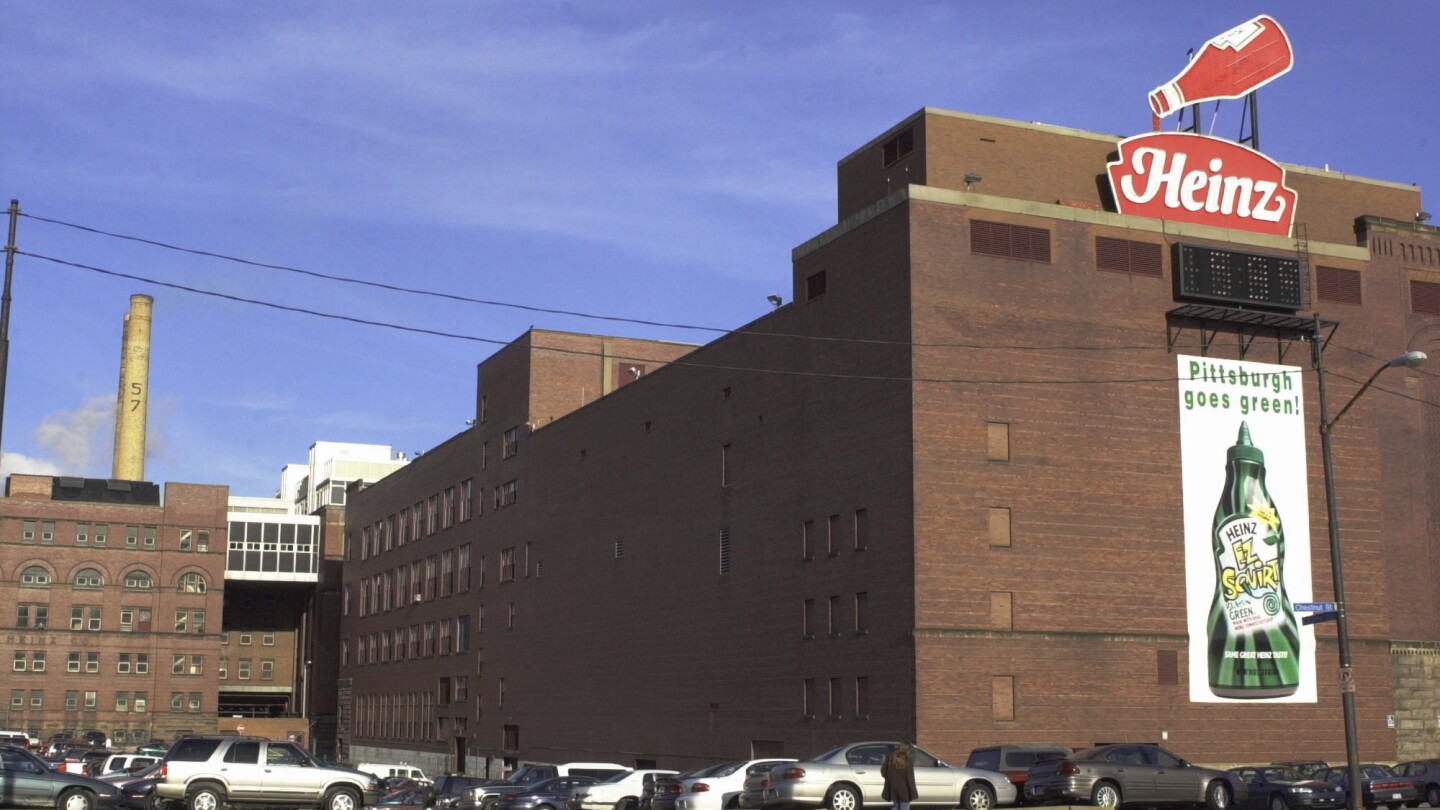
In a significant move toward healthier food production, two leading food manufacturers, Kraft Heinz and General Mills, have announced plans to eliminate artificial dyes from their U.S. products by 2027. This decision follows a recent call by U.S. health officials for the food industry to phase out petroleum-based synthetic colors. Kraft Heinz revealed on Tuesday that it will begin removing artificial dyes from its U.S. portfolio in 2027 and will cease introducing new products containing these additives. Shortly after, General Mills disclosed its strategy to eliminate artificial dyes from all U.S. cereals and K-12 school meals by mid-2026, with a complete removal from its retail products by the end of 2027. Kraft Heinz emphasized that nearly 90% of its U.S. products already exclude FD&C colors—synthetic additives approved by the FDA for use in food, drugs, and cosmetics. The remaining products, primarily in the beverage and dessert categories, including brands like Crystal Light, Kool-Aid, Jell-O, and Jet-Puffed, will transition to natural alternatives. General Mills noted that 85% of its retail products and nearly all K-12 school items are already dye-free. Both companies are aligning with consumer demand for cleaner ingredients, driven by health advocates who have raised concerns about potential neurobehavioral issues linked to artificial dyes in children. The FDA, while maintaining that approved dyes are safe, has supported voluntary industry efforts to reduce their use. This shift mirrors global trends, as many countries, including Canada and European nations, have adopted stricter regulations or warning labels for synthetic colors. In the U.S., states like California and West Virginia have enacted laws restricting artificial dyes, prompting food manufacturers to explore natural alternatives derived from sources like beets, algae, and vegetables.
Two major US food producers to remove artificial dyes from products sold domestically