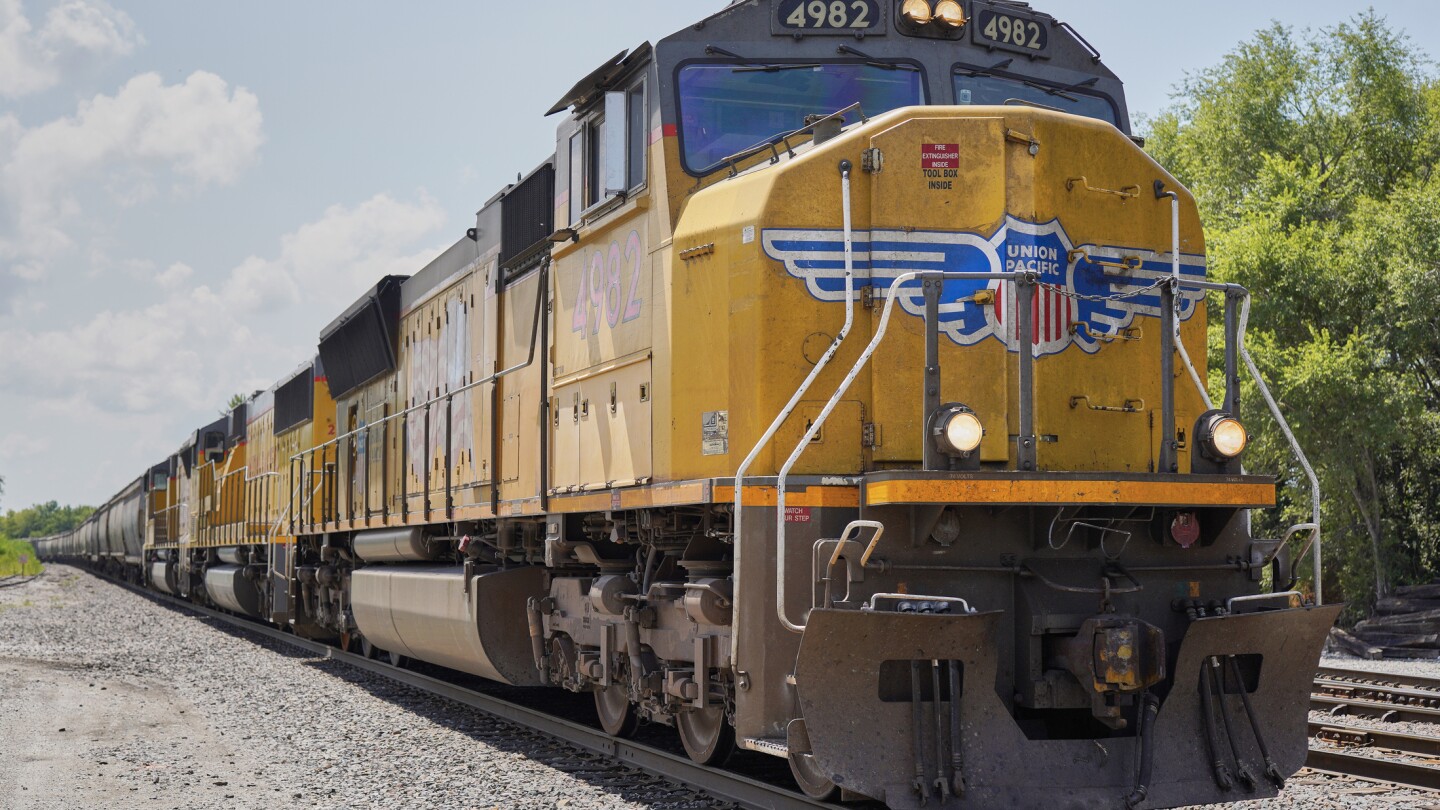
Union Pacific and Norfolk Southern are engaged in preliminary discussions to merge, potentially creating the largest railroad network in North America, spanning from the East Coast to the West Coast. These talks, which began in the first quarter of this year, involve two of the country’s six major freight railroads—Union Pacific, the largest, and Norfolk Southern, the smallest. Both companies have declined to comment on the matter. The proposed merger has sparked intense debate within the industry, particularly regarding its likelihood of approval by the Surface Transportation Board (STB). While the STB greenlit the creation of CPKC two years ago through Canadian Pacific’s $31 billion acquisition of Kansas City Southern, this would mark the first major rail merger in over two decades. The bar for such mergers was significantly raised after the problematic Union Pacific-Southern Pacific merger in 1996 and the 1999 split of Conrail, which caused widespread disruptions. Under current regulations, any major rail merger must demonstrate enhanced competition and public benefit. Union Pacific CEO Jim Vena has highlighted potential advantages, including streamlined deliveries and simplified shipping for businesses reliant on rail transport. However, concerns have been raised about reduced shipping options and the industry’s consolidation. Analysts, including Citi Research’s Ariel Rosa, warn that such a merger would face significant regulatory, political, and stakeholder pushback, making it a costly and time-intensive process. Union Pacific, headquartered in Omaha, Nebraska, reported $24.3 billion in revenue last year, while Norfolk Southern, based in Atlanta, generated $12.1 billion. Following the news, Norfolk Southern’s stock surged, reflecting investor optimism.
Union Pacific, Norfolk Southern discuss merger to create transcontinental railroad, AP source says