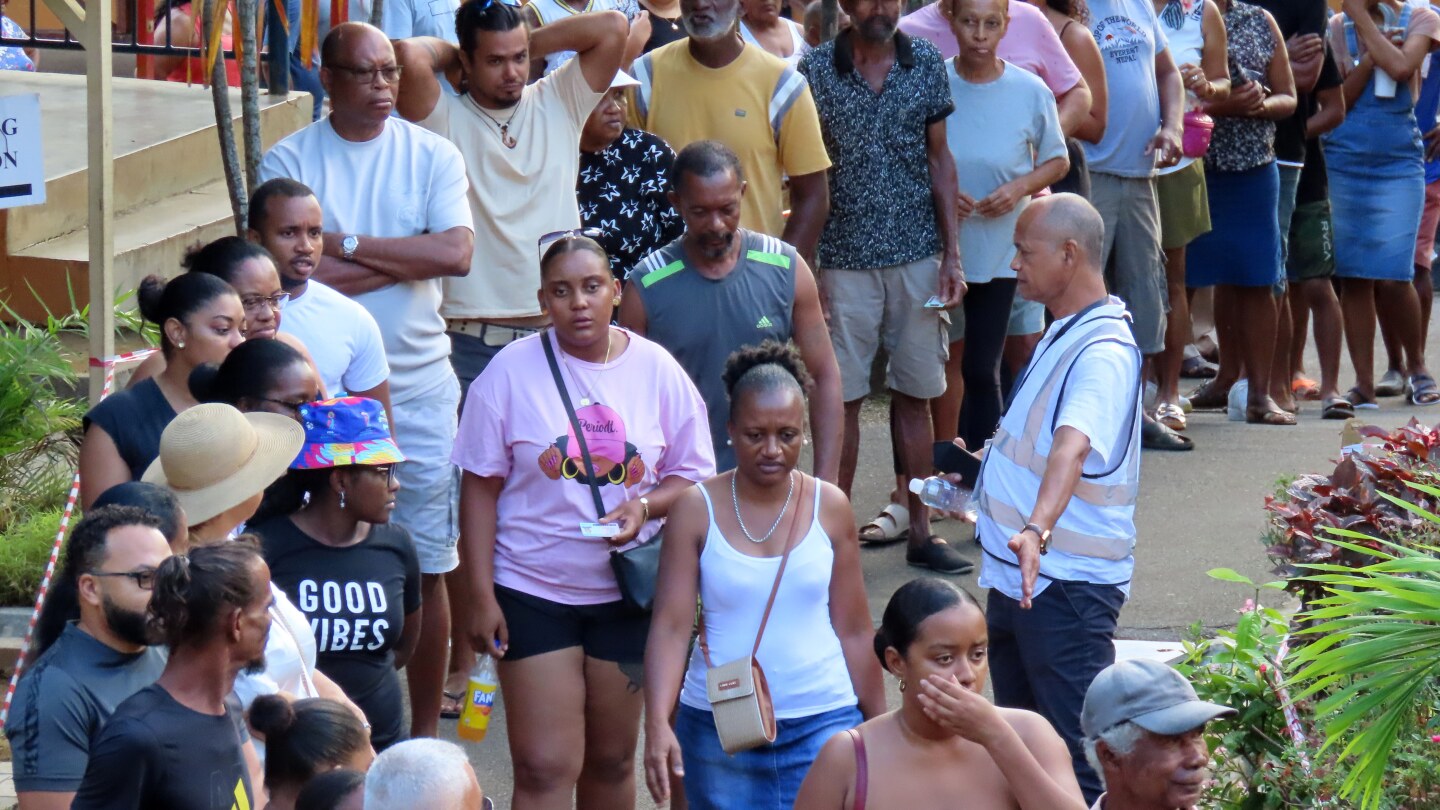
The Seychelles, Africa’s smallest nation, witnessed a crucial electoral event on Saturday as citizens cast their votes to elect a new president and parliament. Incumbent President Wavel Ramkalawan, an Anglican priest turned politician, sought re-election after his historic victory in 2020, which marked the first time an opposition leader had unseated the ruling party since 1976. His primary challenger, Patrick Herminie of the United Seychelles Party, brought a wealth of political experience, having served as parliamentary speaker from 2007 to 2016. Polls opened at 7 a.m., with long queues forming at voting stations across the 115-island archipelago, signaling robust voter participation. Electoral authorities reported smooth proceedings, and counting began after polls closed at 7 p.m., with results anticipated by Sunday. A runoff will be held if no candidate secures over 50% of the vote. The election unfolded against a backdrop of pressing national issues, including economic recovery, environmental sustainability, and a burgeoning drug crisis. The governing Linyon Demokratik Seselwa party campaigned on promises of economic revitalization, social development, and environmental preservation. However, the government faced criticism over a controversial decision to lease part of Assomption Island to a Qatari company for a luxury hotel project, raising concerns about sovereignty and foreign influence. Seychelles, renowned for its luxury tourism and environmental beauty, is also grappling with the impacts of climate change, including rising sea levels, which threaten its low-lying islands. Additionally, the nation faces a severe drug epidemic, with heroin addiction rates among the highest globally. Critics argue that both Ramkalawan and Herminie have fallen short in addressing this crisis, despite their respective roles in drug prevention efforts. With a population of just over 120,000, the election outcome will shape the nation’s trajectory in addressing these multifaceted challenges.
Seychelles president seeks a second term as people vote in African tourist haven