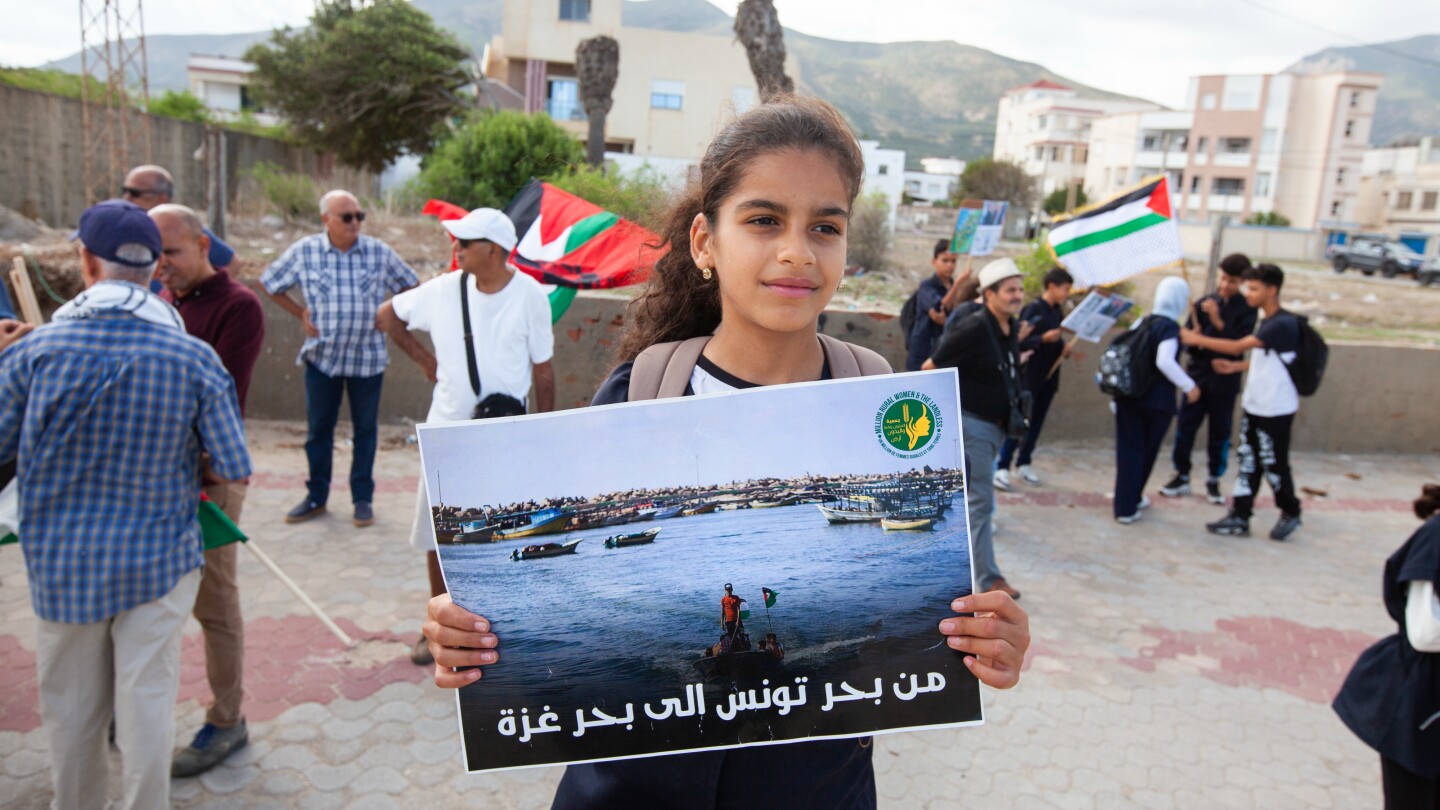
HAMMAM CHOTT, Tunisia (AP) — Four decades after Israeli warplanes struck the Palestine Liberation Organization’s (PLO) headquarters outside Tunis, the memories of the attack remain vivid for Tunisians like Jamel Bahrini, a first responder who witnessed the devastation firsthand. The 1985 airstrike, Israel’s longest-range operation at the time, killed 68 people and injured over 100, leaving an indelible mark on Tunisia’s collective consciousness. Today, as the Israel-Hamas war in Gaza intensifies, the 1985 attack serves as a poignant reminder of Tunisia’s enduring solidarity with the Palestinian cause. Bahrini, now 62, recalls the harrowing scene of bodies hanging from trees and blood-soaked rubble, a testament to the brutality of the strike. The attack, codenamed “Operation Wooden Leg” by Israel, was justified as retaliation for the killing of three Israelis in Cyprus, a claim the PLO denied. Tunisians, however, view it as a violation of their sovereignty and a turning point in their connection to the Palestinian struggle. The recent commemoration ceremony in Hammam Chott saw mourners carrying posters linking the 1985 strike to the current conflict in Gaza, with slogans like “From the sea of Tunisia to the sea of Gaza.” The event underscored the deep-rooted anger toward Israel, fueled by recent incidents such as the interception of the Global Sumud Flotilla, which aimed to deliver humanitarian aid to Gaza. Tunisians, along with others across North Africa, have rallied in support of Palestinians, staging protests and boycotts. The 1985 attack, which narrowly missed PLO leader Yasser Arafat, continues to shape perceptions of Israel in Tunisia, raising questions about the long-term impact of its military strategies. As Bahrini aptly put it, “We are not merely a people showcasing solidarity, but we share a common cause.”
Tunisians remember the Israeli strike that bound their fate with Palestinians 40 years ago