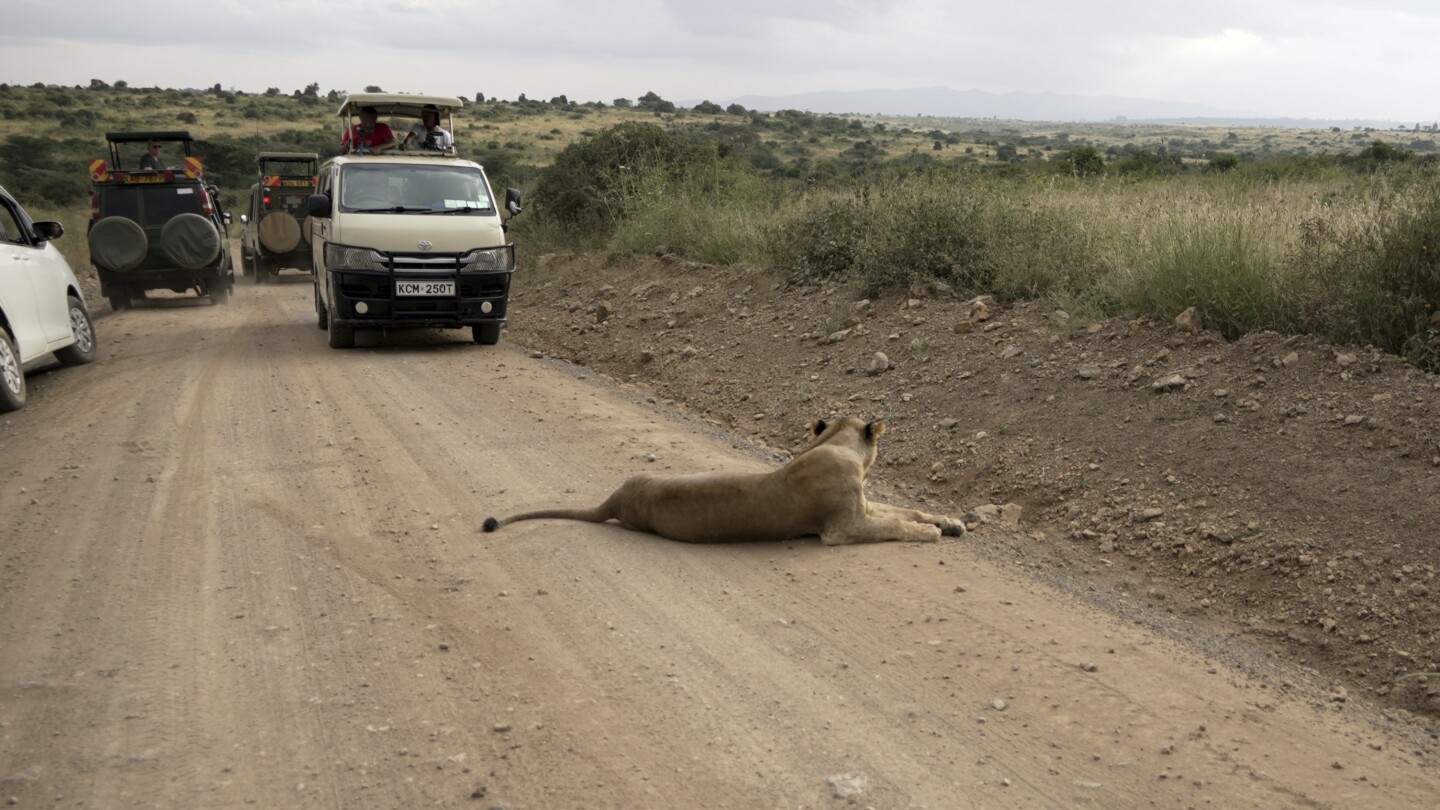
In a tragic incident near Kajiado, Kenya, 14-year-old Peace Mwende lost her life to a lion attack, a stark reminder of the escalating human-wildlife conflict in the region. The incident occurred less than a kilometer from the author’s home, where lions are frequently spotted, even in residential areas. Nairobi’s unique proximity to Nairobi National Park has long been a source of pride, but rapid urbanization and shrinking wildlife habitats are intensifying the challenges. The Kenya Wildlife Service (KWS) faces a dual mandate: protecting endangered species like lions, whose population has dwindled to just over 2,000, and ensuring the safety of residents who share their space with these predators. KWS has implemented measures such as feeding interventions during lean seasons, but the encroachment of residential and industrial developments on traditional migratory corridors threatens the delicate balance. Non-government initiatives offer small incentives to landowners to keep their properties unfenced, but the question remains: will these efforts suffice? The lack of public awareness on how to coexist with predators exacerbates the issue. The author recounts personal experiences, including a close encounter with a lioness during a safari and a harrowing incident where a neighbor was killed by a lion. While KWS has taken steps to mitigate risks, such as shooting lions involved in fatal attacks, the shrinking habitat and diminishing prey availability for lions suggest that conflicts will only escalate. The author, a seasoned journalist, reflects on the duality of living amidst such a unique yet perilous environment, expressing both grief for the lives lost and hope for sustainable solutions that preserve Nairobi’s remarkable wilderness.
He lives alongside lions in Nairobi. The human-wildlife collision is dazzling — and dangerous