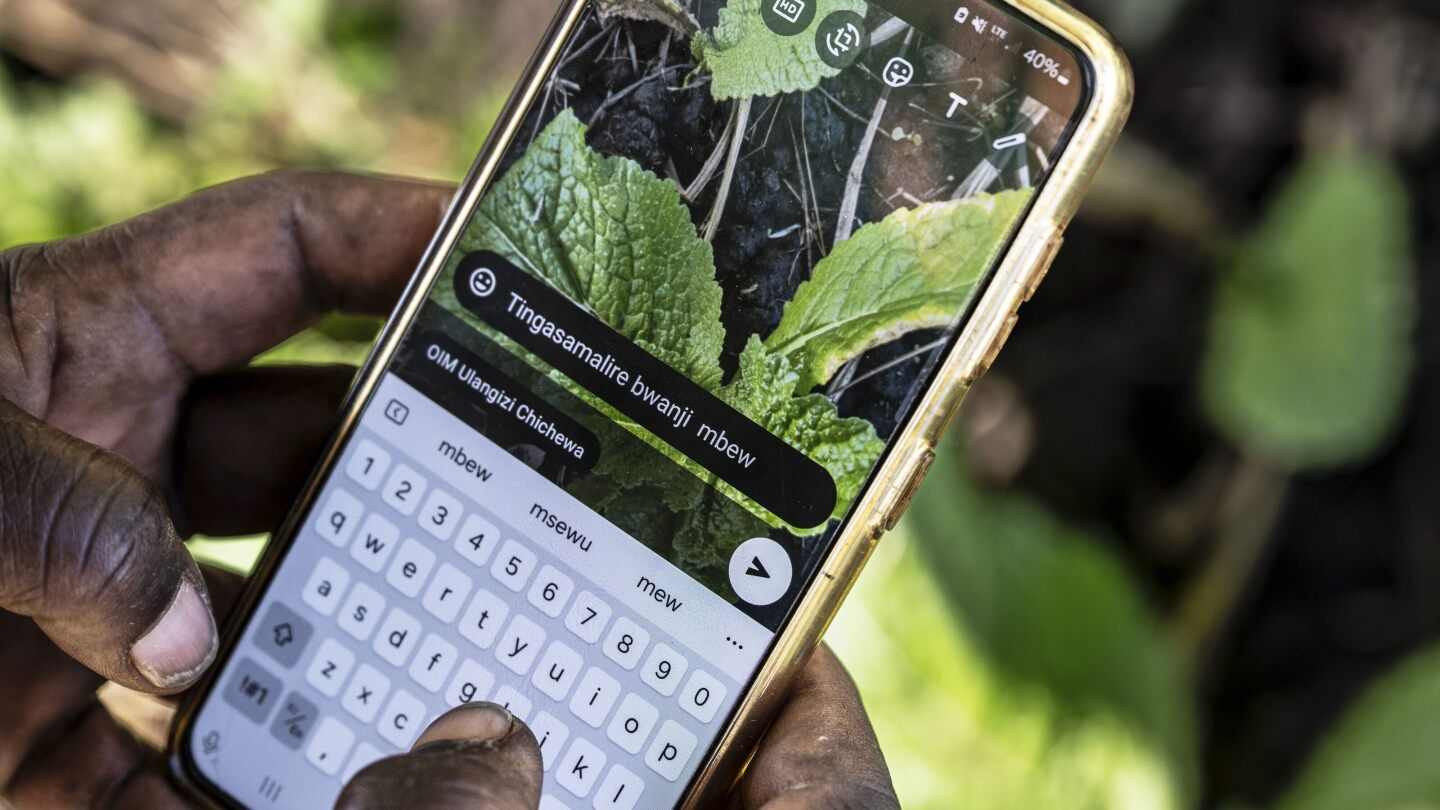
In the wake of Cyclone Freddy’s devastation in 2023, Alex Maere, a 59-year-old farmer from Malawi, faced the loss of his farm and livelihood. The catastrophic floods stripped his land of fertile soil, leaving behind a barren wasteland of sand and rocks. Once producing 850 kilograms of corn annually to support his family, Maere salvaged a mere 8 kilograms from the wreckage. Determined to adapt, he turned to an AI chatbot developed by Opportunity International, a non-profit organization, for farming advice. Supported by the Malawi government, the AI tool suggested Maere diversify his crops by growing potatoes alongside corn and cassava. Following the guidance, Maere cultivated half a soccer field’s worth of potatoes, earning over $800 in sales and securing his children’s education. This success story highlights the transformative potential of AI in sub-Saharan Africa, where smallholder farms account for 70-80% of the food supply. Despite challenges like language diversity, low literacy, and poor digital infrastructure, AI is empowering farmers with critical insights on crop diseases, drought forecasting, and yield optimization. The Ulangizi app, accessible via WhatsApp and available in Chichewa and English, bridges the gap for farmers without smartphones through on-the-ground support agents. However, scaling up remains a hurdle due to limited internet access and affordability. Trust in AI is fragile, as inaccurate advice could devastate already vulnerable farmers. Yet, by combining AI with traditional community collaboration, Malawi is fostering resilience and productivity in its agriculture sector.