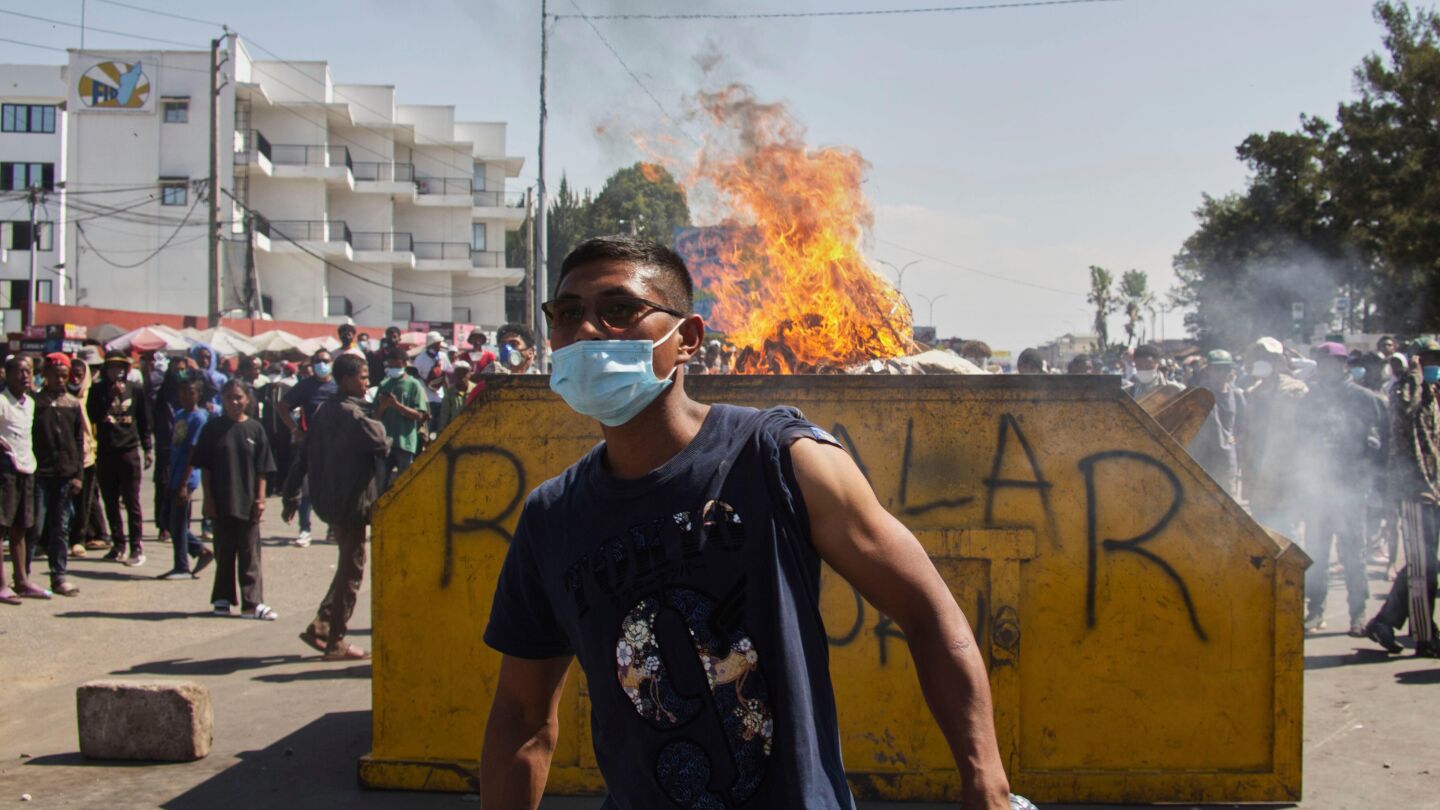
Antananarivo, Madagascar witnessed intense clashes on Thursday as approximately 1,000 demonstrators, predominantly masked, confronted police forces in the capital. The unrest, now in its third week, marks the most significant upheaval the Indian Ocean island nation has seen in years. Authorities deployed armored vehicles and utilized tear gas and stun grenades to disperse the crowd, though the extent of injuries remains unclear. The protests, spearheaded by the group ‘Gen Z Madagascar,’ have reportedly resulted in 22 fatalities and numerous injuries, according to the United Nations—a claim contested by the government. Initially triggered by utility disruptions, the demonstrations have broadened to address grievances over alleged corruption and nepotism. In response, President Andry Rajoelina dismissed his entire Cabinet, a move that failed to quell the unrest. Protesters have now escalated their demands, calling for Rajoelina’s resignation and rejecting his invitation for dialogue. The clashes, concentrated in the Anosy and Mahamasina districts, saw demonstrators block streets with rocks and burning tires. Authorities have imposed vehicle bans in key areas, including Democracy Square in Ambohijatovo, as police maintain vigilance. Madagascar, a nation of 31 million grappling with severe poverty and a history of political instability since its 1960 independence from France, has seen multiple leaders ousted through uprisings. Rajoelina, elected in 2018 and reelected in 2023 amid opposition boycotts, now faces a protest movement inspired by recent youth-led uprisings in Nepal and Sri Lanka. The movement, symbolized by a pirate skull and crossbones emblem, has mobilized online, though reports of looting during demonstrations have emerged.
Madagascar’s Gen Z protesters clash with police as they call for president to step down