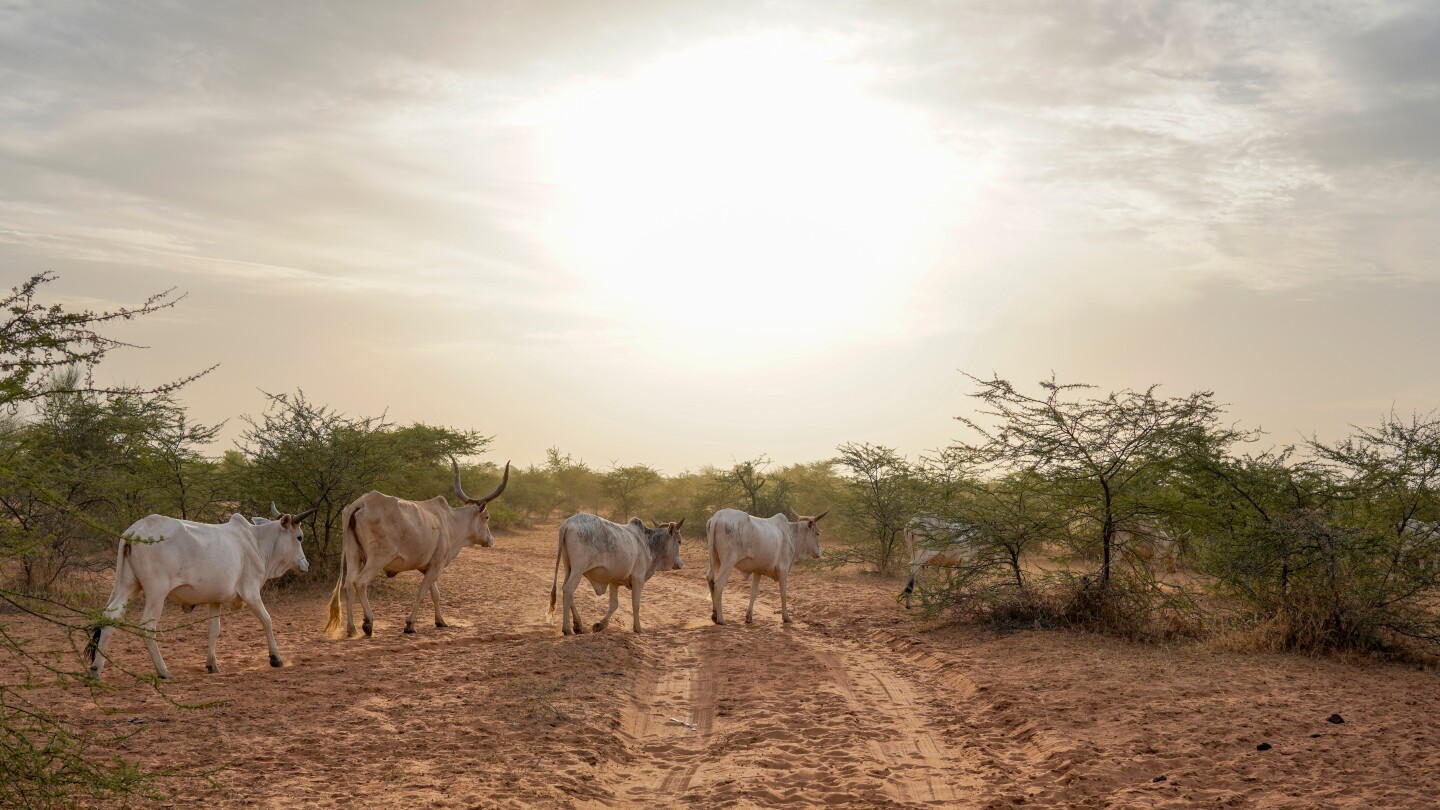
Senegal is grappling with a severe outbreak of Rift Valley Fever (RVF), a viral disease that has claimed 17 lives and infected 119 individuals, according to health officials. The outbreak, primarily concentrated in the northern livestock-producing region, marks the country’s most significant RVF crisis since the late 1980s. Dr. Boly Diop, head of RVF surveillance at Senegal’s health ministry, expressed concerns about the potential for further spread, emphasizing the unprecedented scale of the current outbreak. RVF, which primarily affects animals, can be transmitted to humans through mosquito bites or direct contact with infected livestock. While most human cases are mild or asymptomatic, severe infections can lead to eye damage, brain swelling, or fatal hemorrhagic fever, as reported by the World Health Organization (WHO). High-risk groups include herders, farmers, and slaughterhouse workers, who are often exposed during animal handling. The current outbreak was officially declared on September 21, with experts linking its resurgence to climate change, which creates favorable conditions for disease-carrying vectors. Dr. Merawi Aragaw Tegegne, an epidemiologist with the Africa Center for Disease Control and Prevention, highlighted the role of extreme weather patterns, such as torrential rains and floods, in facilitating RVF transmission. Preventive measures, including livestock vaccination and mosquito control, are crucial to curbing the disease’s spread. Historically, RVF has caused significant fatalities in Africa, with outbreaks in Kenya and Somalia in 1998 claiming over 470 lives. In 2000, the virus expanded beyond Africa, reaching Saudi Arabia and Yemen and raising global concerns about its potential spread to other continents.