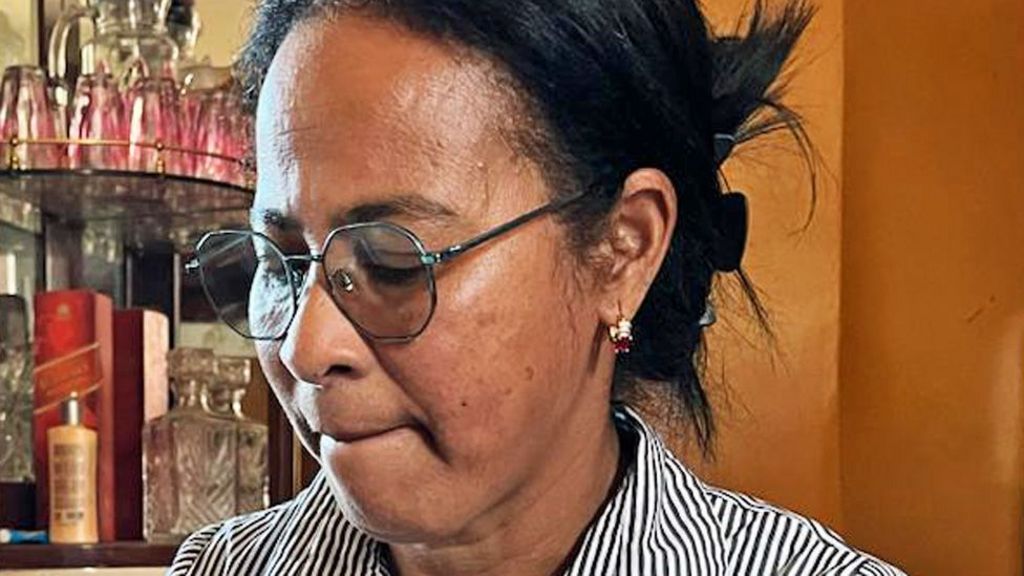
Madagascar has been engulfed in widespread protests, driven by mounting anger over persistent power and water shortages, corruption, and a severe cost-of-living crisis. The unrest, led by the youth movement known as Gen Z Mada, has escalated into violent clashes between demonstrators and police, resulting in significant casualties and property damage. According to the United Nations, at least 22 people have lost their lives in the early days of the protests, including a one-month-old infant who succumbed to the effects of police tear gas. Razanasoa Edmondine, the infant’s grandmother, recounted the tragic incident, describing how her daughter-in-law and grandson were caught in the chaos as police dispersed protesters with tear gas. The infant’s death has become a symbol of the human toll of the crisis. President Andry Rajoelina has dismissed the UN’s casualty figures as misinformation but has not provided alternative numbers. He has defended the police, labeling the deceased as rioters rather than peaceful protesters. The protests have disrupted daily life, with businesses reporting significant losses and the tourism sector, a key economic driver, facing widespread cancellations. The socio-economic challenges fueling the unrest are deeply rooted, with high unemployment, inadequate education, and poor economic planning exacerbating the situation. Professor Hery Ramiarison, an economist at the University of Antananarivo, highlights the interconnected cycles of poverty and political instability that have trapped the nation. President Rajoelina has pledged to address the issues within a year, threatening to resign if he fails. However, skepticism remains high among the populace, with many questioning the government’s ability to deliver meaningful change. As the protests continue, the calls for Rajoelina’s resignation grow louder, reflecting the deep-seated frustrations of Madagascar’s youth and their demand for a better future.