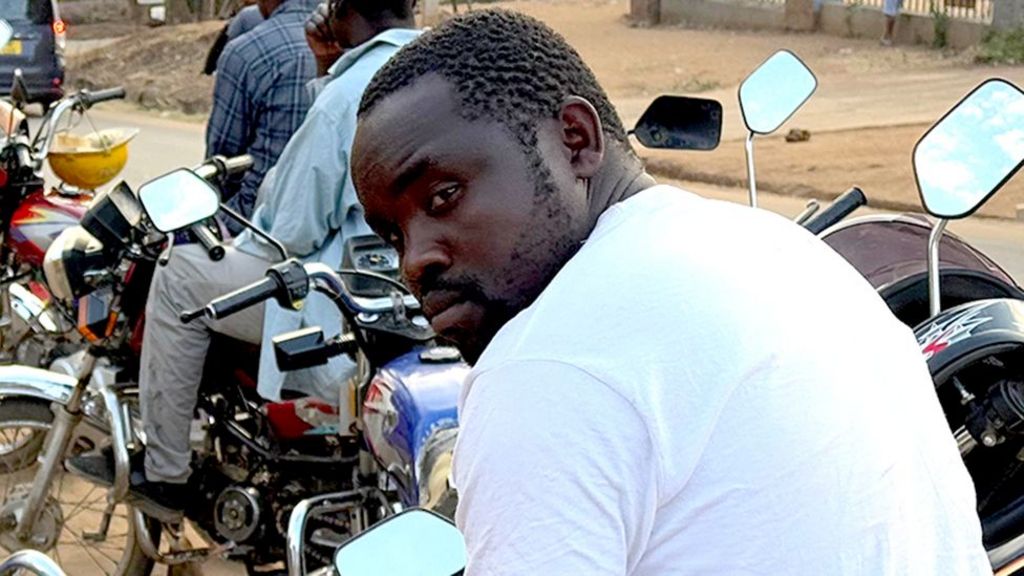
As Malawi approaches its general election on Tuesday, the pressing concerns for many citizens are not the candidates or their promises, but the dire economic conditions that have gripped the nation. Prolonged fuel shortages, frequent power outages, skyrocketing living costs, widespread hunger, and rampant youth unemployment have created a palpable sense of frustration among the populace. Against this backdrop, the presidential, parliamentary, and local council candidates are vying for votes, but the usual fervor of election campaigns has been noticeably subdued. The presidential race, a rematch between incumbent Lazarus Chakwera and former President Peter Mutharika, has been marked by a lack of the traditional campaign fanfare, with fewer billboards and limited distribution of free T-shirts. The economic strain has also led to tensions, with fistfights breaking out in long queues for petrol. Chakwera has attempted to address the fuel crisis, blaming corrupt officials for sabotaging the oil market, but the issue remains unresolved. The economic challenges are particularly significant for young voters, who make up around half of the electorate. Many express disillusionment with the political process, citing years of unfulfilled promises. Despite the cynicism, candidates like Chakwera, Mutharika, and former President Joyce Banda continue to campaign, each pledging to bring about radical change. However, the real test will be whether the eventual winner can deliver on their promises and alleviate the economic hardships faced by the majority of Malawians.