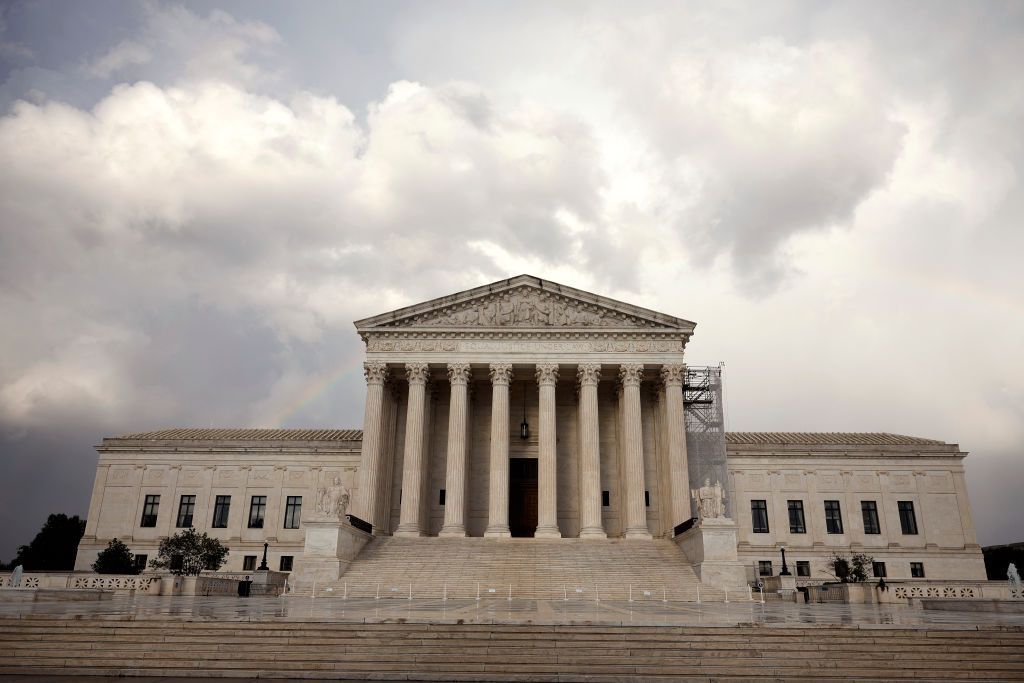
The US Supreme Court commenced its new term on Monday, poised to address a series of consequential cases that could significantly shape the boundaries of presidential authority under Donald Trump. Since his return to the White House eight months ago, Trump has aggressively tested the limits of executive power, implementing unilateral policies, reducing federal budgets and workforce, and attempting to bring independent agencies under direct presidential control. One of the most contentious issues involves Trump’s efforts to deploy state National Guard units in cities he claims are plagued by unrest and crime, despite objections from local and state officials. In Oregon, a federal judge has already blocked Trump’s troop deployment to Portland, with an appeals court set to review the decision shortly. Judge Karin Immergut, a Trump appointee, emphasized in her ruling that the US is ‘a nation of constitutional law, not martial law,’ warning against blurring the lines between civil and military authority. The Supreme Court may intervene via its ‘shadow docket,’ a mechanism criticized for its lack of transparency, to either restrict or temporarily empower Trump’s use of military force domestically. This term, the court will also address broader questions of presidential power, including Trump’s attempts to remove independent agency officials, impose tariffs, and implement aggressive immigration policies. Additionally, the court will tackle high-profile cultural and political issues, such as bans on conversion therapy, transgender athletes in sports, and voting rights. With a 6-3 conservative majority, the court’s decisions could further reshape American law, continuing a trend of landmark rulings that have polarized public opinion. The term’s outcomes, expected by June 2024, will have far-reaching implications for the balance of power and constitutional interpretation in the United States.