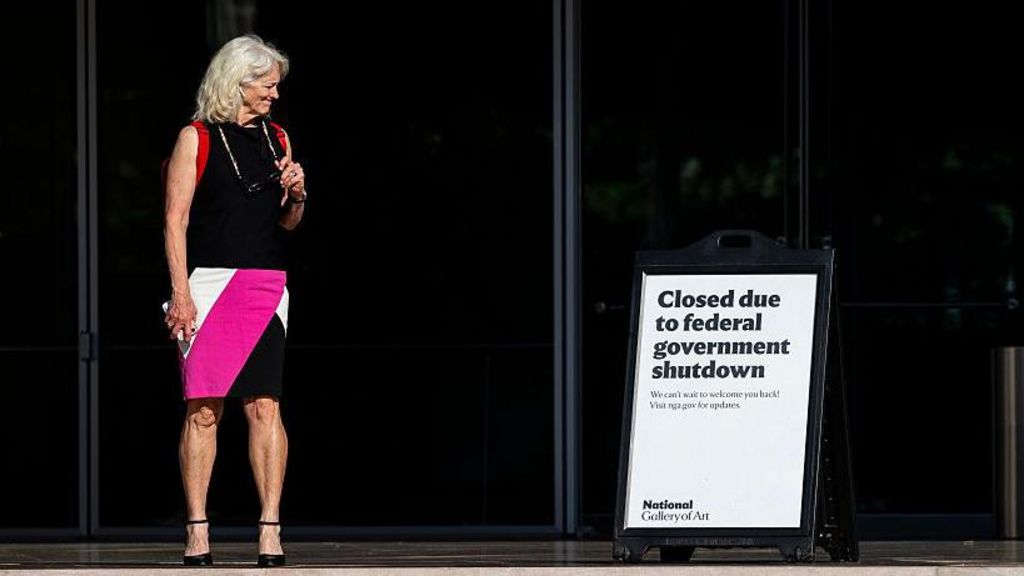
The United States finds itself in the throes of yet another government shutdown, a recurring feature of its political landscape. However, the 2025 shutdown stands out as particularly intractable, fueled by deep-seated animosity between Republicans and Democrats and a lack of willingness to compromise. With approximately 750,000 federal employees facing unpaid leave and essential services temporarily suspended, the impasse highlights the escalating political tensions in Washington. Unlike previous shutdowns, where late-night negotiations often paved the way for resolution, this episode is marked by a stark absence of collaboration and a surge in partisan rancor. The Democratic leadership, under pressure from its base, is leveraging the shutdown to challenge the Trump administration’s aggressive agenda, particularly its healthcare cuts and executive overreach. Meanwhile, President Trump and his allies view the shutdown as an opportunity to advance their long-standing goal of reducing the federal workforce. The White House has warned of mass layoffs to maintain critical services, a move described as ‘fiscal sanity’ by Press Secretary Karoline Leavitt. The economic ramifications are significant, with analysts predicting a 0.2 percentage point reduction in GDP growth for each week the shutdown persists. While the stock market remains largely unaffected, the broader impact on government operations, business activities, and public trust in political institutions could have lasting consequences. As both parties dig in, the path to resolution remains uncertain, leaving the nation in a state of prolonged uncertainty.