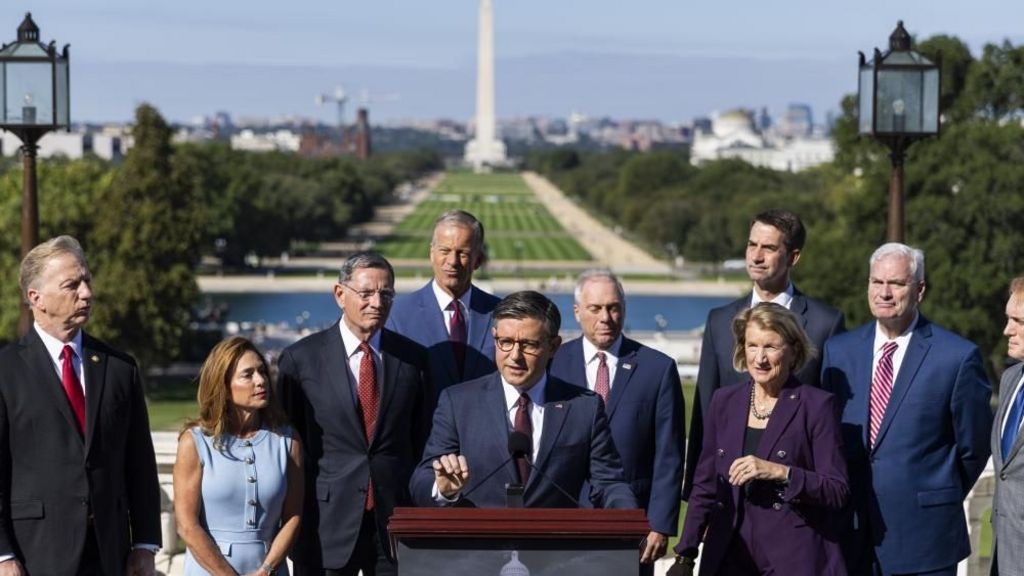
The United States government has entered a shutdown in 2025, marking the first federal closure in nearly seven years. The crisis unfolded after the Senate failed to pass a spending bill, leaving federal operations severely curtailed. While the shutdown is expected to end eventually, the timeline remains uncertain, with public pressure and political maneuvering likely to play decisive roles in its resolution. Here are four potential scenarios for how the situation might unfold. Senate Democrats rejected a Republican-backed spending bill that would have funded the government until November. However, the vote revealed cracks in Democratic unity, as two Democrats and one independent aligned with the Republican majority. Among them was Catherine Cortez Masto of Nevada, who faces re-election in a state that has been trending Republican. Her vote, driven by concerns over the economic impact of the shutdown on Nevada, highlights the political risks for Democrats in battleground states. Other vulnerable Democrats in Georgia, Virginia, and Colorado may also feel the heat as the shutdown drags on. Republican Senate leader John Thune has signaled plans to hold additional funding votes to maintain pressure on Democrats. If five more Democrats defect, the shutdown could end regardless of the party’s broader stance. Meanwhile, the prolonged closure is already affecting government employees, who face delayed paychecks and potential job losses. The broader public will also feel the impact through reduced government services and economic disruption. Historically, the party seen as triggering the shutdown bears the brunt of public blame. In this case, Democrats may face criticism for their role in the impasse, potentially forcing them to reconsider their strategy. However, the party could find solace in highlighting Republican-backed cuts to health insurance subsidies for low-income Americans, a move that could resonate with voters. Republicans, emboldened by their perceived strength, are exploring ways to intensify pressure on Democrats. Yet, they risk overplaying their hand, as past shutdowns have often backfired on the party initiating them. A potential compromise could involve Republicans extending health insurance subsidies, a move that would benefit their own low-income constituents while defusing Democratic attacks. Despite the current acrimony, there may be room for negotiation. Both parties have engaged in heated rhetoric, with President Trump sharing AI-generated videos mocking opponents and Democrats responding with provocative imagery. The stakes are high, as the 2025 shutdown could surpass the record 35-day closure of 2018-2019, which ended only after air travel faced imminent disruption. This time, the consequences could be even more severe. If the shutdown persists, both parties may face public backlash, leading to electoral losses in the 2026 midterms. Such a scenario could further erode public trust in the political system, paving the way for new leaders promising to dismantle the status quo.