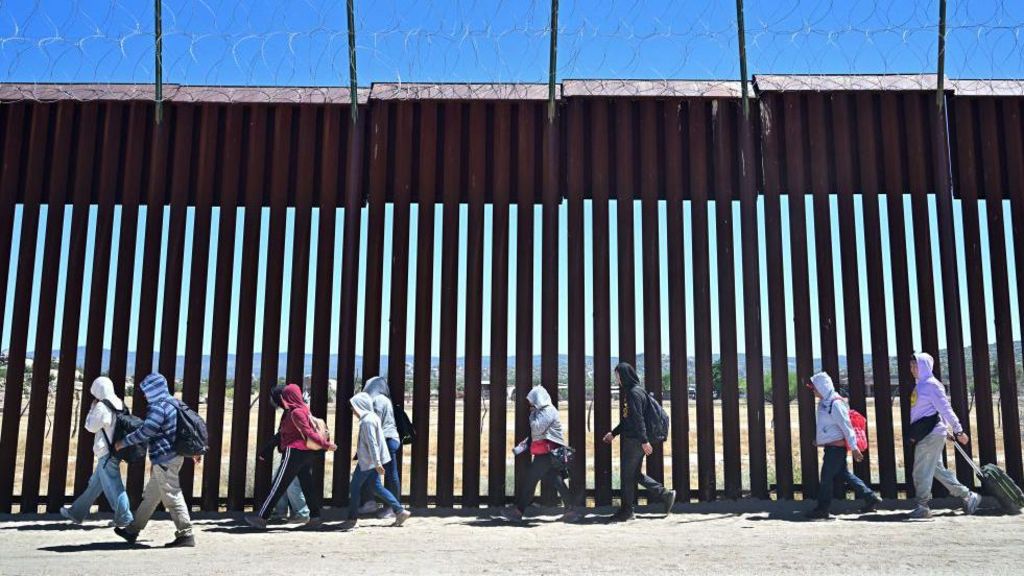
In a significant move under President Donald Trump’s stringent immigration policies, the United States has initiated the deportation of 120 Iranian nationals. Hossein Noushabadi, an official from Iran’s foreign ministry, confirmed the development in a statement to the Tasnim state news agency. He revealed that the individuals, many of whom entered the US illegally via Mexico, are set to return to Iran within the next one to two days, with their repatriation facilitated through Qatar. Notably, some of the deportees held valid US residency permits, and US authorities reportedly sought their consent for the process. Noushabadi emphasized the need for the US to respect the rights of Iranian migrants under international law. This deportation marks the first phase of a broader agreement between Iran and the US, which aims to repatriate approximately 400 Iranian nationals. The collaboration is particularly noteworthy given the absence of formal diplomatic ties between the two nations, with negotiations conducted through the US Interests Section at the Pakistani embassy in Tehran. The Trump administration has been actively pursuing deportation agreements with various countries, including recent deals with Panama and Costa Rica to accept hundreds of African and Asian migrants. President Trump has consistently vowed to curb immigration and deport individuals residing in the US without legal status, including those from countries with contentious human rights records. However, the deportation of Iranian nationals has sparked criticism from human rights organizations, which argue that migrants face potential harm upon return. Iran’s human rights record has also come under scrutiny, with UN experts highlighting a sharp increase in the use of the death penalty this year. While the Iranian government defends its practices as targeting only severe crimes, human rights groups dispute this claim, further complicating the ethical implications of the deportation program.