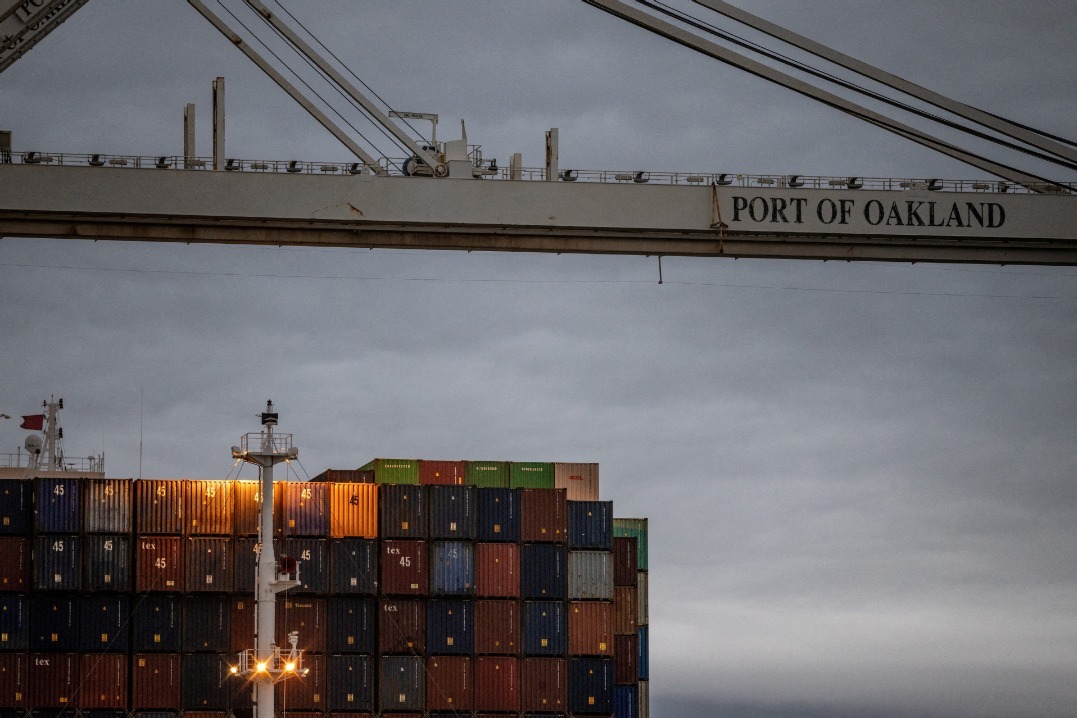
A coalition comprising 24 American states, spearheaded by Oregon, has initiated a formidable legal challenge against the Trump administration’s latest tariff impositions. The lawsuit, formally lodged with the US Court of International Trade on Thursday, represents a significant escalation in the ongoing constitutional conflict between state governments and federal executive power.
The legal filing contends that President Donald Trump’s most recent tariff announcement fundamentally violates established federal statutes, contravenes the constitutional separation of powers doctrine, and constitutes a clear breach of the Administrative Procedure Act. Oregon Attorney General Dan Rayfield emphasized that the legal action specifically targets the administration’s persistent efforts to implement worldwide tariff increases without obtaining mandatory congressional approval.
‘Current priorities should focus on restitution for citizens rather than perpetuating unlawful tariff policies,’ Rayfield asserted in an official statement. He highlighted the severe financial strain already burdening American households through escalating costs for essential goods including groceries and clothing.
The litigation emerges following a crucial February 20th ruling by the US Supreme Court that declared previous tariffs imposed under the International Emergency Economic Powers Act (IEEPA) unlawful. In response to this judicial setback, the administration pivoted to Section 122 of the Trade Act of 1974 as revised legal justification for implementing new 10% tariffs, subsequently threatening escalation to 15%.
Legal experts note that Section 122 authorizes tariffs exclusively under specific circumstances involving ‘large and serious balance-of-payments deficits’ – conditions that standard trade deficits do not satisfy according to the plaintiffs. The implemented tariffs possess a 150-day duration limit absent congressional extension, though administration officials simultaneously pursue more permanent tariff mechanisms.
Concurrently, a federal magistrate issued a Wednesday directive mandating government reimbursement for IEEPA tariffs, potentially returning $168-182 billion to affected importers according to budgetary analysts. Supporting the states’ position, Federal Reserve Bank of New York researchers determined that nearly 90% of 2025 tariff costs were ultimately borne by American consumers and businesses. Regional impact assessments suggest Oregon families alone could face over $1,200 in additional annual living expenses should the tariffs remain effective.