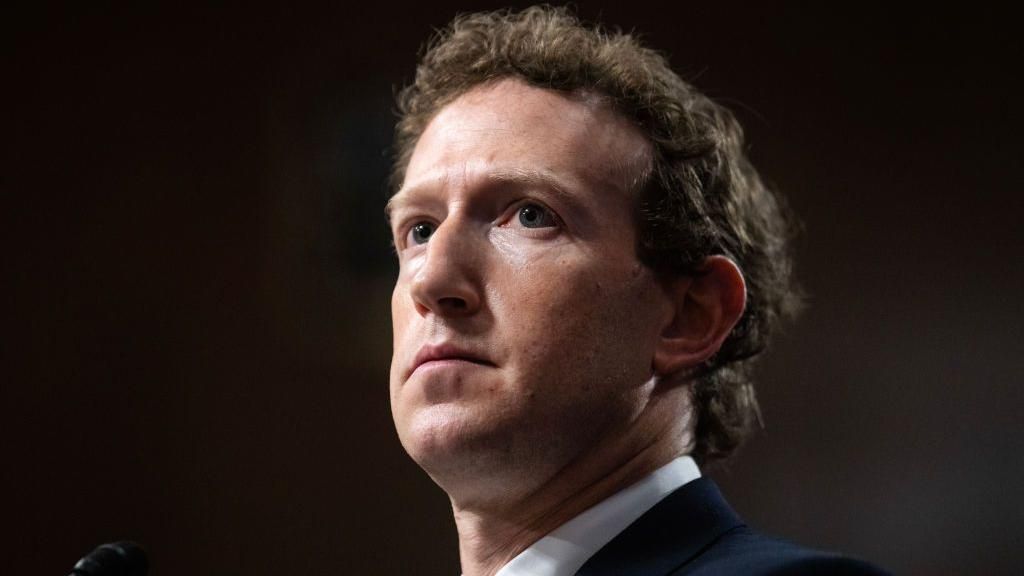
In a significant legal development, Facebook founder Mark Zuckerberg has been mandated to testify in a groundbreaking trial addressing the impact of social media on young people. The Los Angeles County Superior Court Judge Carolyn Kuhl dismissed Meta Platforms’ argument that Zuckerberg’s in-person appearance was unnecessary. The order also extends to Snap CEO Evan Spiegel and Instagram head Adam Mosseri, both of whom are required to testify. The trial, scheduled for January, is among the first to emerge from a surge of lawsuits accusing social media giants of designing addictive apps that pose mental health risks to young users. Hundreds of claims consolidated into this case allege that platforms like Facebook, Instagram, and Snapchat have inadequate parental controls and safety features, while notifications for ‘likes’ and other interactions keep young users engaged. Meta and Snap have denied these allegations, citing federal law protections from liability for user-generated content. However, Judge Kuhl ruled that the companies must address claims of negligence and personal injury related to app design. Lawyers representing plaintiffs argue that social media firms prioritized profits over implementing necessary safeguards. Meta had previously stated that Zuckerberg and Mosseri had already been questioned and that in-person testimony would impose a ‘substantial burden.’ Judge Kuhl emphasized that CEO testimony is crucial for evaluating negligence claims, as their knowledge of potential harms and failure to act could be pivotal. Beasley Allen, a law firm involved in the litigation, welcomed the ruling, expressing eagerness to hold these companies accountable for the harm caused to children. The trial comes amid increasing legal and political scrutiny of social media’s impact on youth mental health. Last year, Zuckerberg testified before Congress, defending Meta’s safety measures while denying a causal link between social media use and mental health issues. Instagram has since introduced ‘teen accounts’ and updated its content moderation system to address these concerns.