Ukrainian President Volodymyr Zelenskyy commenced critical diplomatic talks with UK Prime Minister Keir Starmer in London on Tuesday, amid growing concerns that Middle Eastern conflicts are diverting global attention from Russia’s ongoing invasion. The high-level meeting at 10 Downing Street notably included NATO Secretary-General Mark Rutte, signaling coordinated Western efforts to sustain pressure on Moscow.
The trilateral discussion focused on maintaining robust sanctions against Russia despite recent US decisions to temporarily waive certain oil restrictions. Zelenskyy had previously criticized Washington’s sanctions relief, warning it would generate financial windfalls for Moscow’s war machinery. The leaders also addressed concerning military cooperation between Russia and Iran, particularly regarding drone technology exchange affecting both European and Middle Eastern security landscapes.
Concurrently, Britain and Ukraine finalized a landmark defense agreement combining Ukraine’s combat-tested drone interception expertise with British industrial manufacturing capabilities. The partnership includes establishing an AI Center of Excellence with the Ukrainian Ministry of Defense, enhancing technological innovation in electronic warfare and battlefield systems.
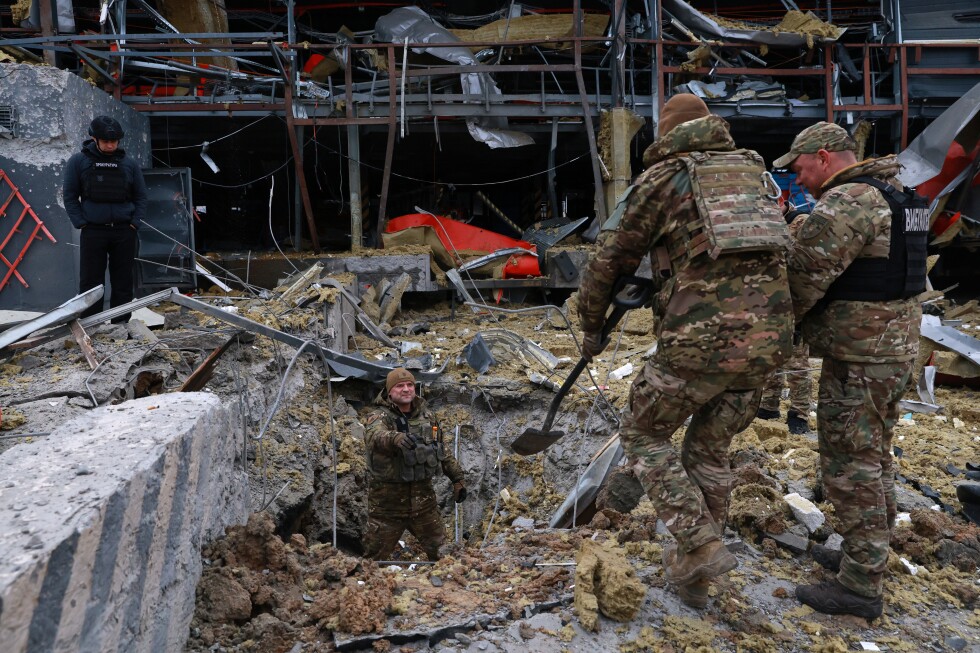
Military developments on the ground remained intense, with Russia claiming interception of 206 Ukrainian drones overnight, including 40 targeting Moscow. Ukrainian forces reported successfully neutralizing 154 of 178 Russian long-range drones launched across the country. Zelenskyy asserted that Ukrainian counteroffensives had disrupted Moscow’s planned March operations, though these claims await independent verification.
The diplomatic meeting occurred against a backdrop of stalled peace negotiations between Moscow and Kyiv, with US-brokered talks losing momentum amid Middle Eastern hostilities. European leaders increasingly perceive Russia as a persistent security threat potentially endangering EU stability by decade’s end.