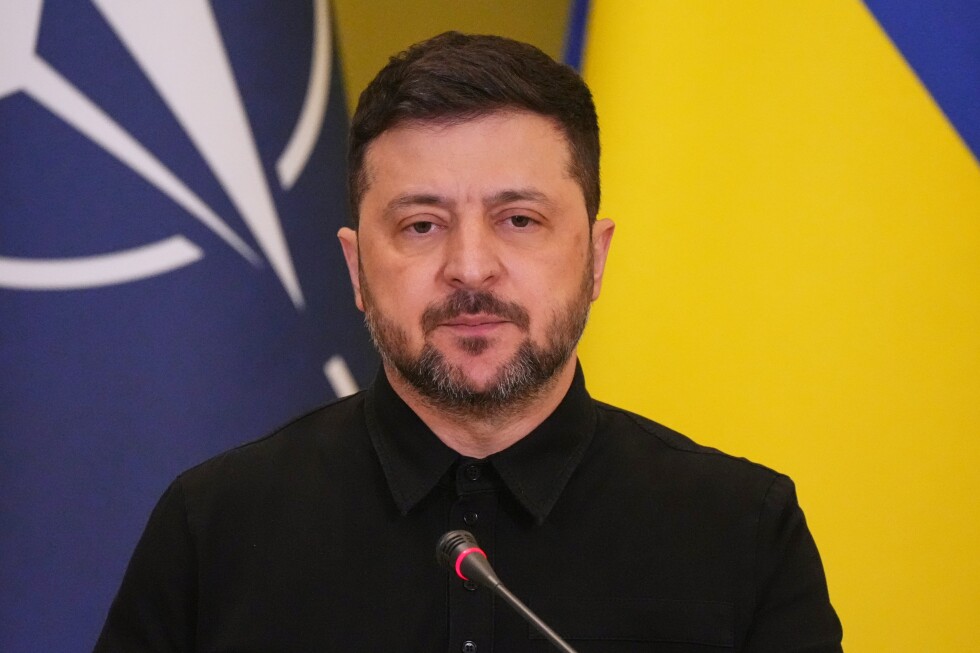
KYIV, Ukraine – In a significant development toward resolving the protracted conflict, the United States has established a June deadline for Ukraine and Russia to negotiate a peace agreement, according to President Volodymyr Zelenskyy. The announcement comes as intensified Russian strikes on Ukrainian energy infrastructure have compelled nuclear power plants to drastically reduce their electricity output.
Speaking to journalists on Friday under embargo until Saturday, Zelenskyy revealed that the Trump administration intends to exert diplomatic pressure on both nations should they fail to reach an accord by early summer. “The Americans are proposing the parties end the war by the beginning of this summer and will probably put pressure on the parties precisely according to this schedule,” Zelenskyy stated, adding that Washington seeks “a clear schedule of all events” toward conflict resolution.
The diplomatic push includes plans for unprecedented trilateral negotiations scheduled for next week in Miami—marking the first such meeting on U.S. soil. Ukraine has confirmed its participation in these high-stakes talks.
Meanwhile, military aggression continues unabated. Russian forces launched over 400 drones and approximately 40 missiles in overnight attacks targeting Ukraine’s energy grid, generation facilities, and distribution networks. Ukrenergo, the state energy transmission operator, confirmed this represents the second massive assault on energy infrastructure this year, resulting in nuclear power plants being forced to reduce output due to damaged high-voltage substations.
The consequences have been severe: a significant power deficit has compelled authorities to extend hourly electricity outages across all Ukrainian regions, exacerbating humanitarian concerns during winter months.
In parallel diplomatic channels, Russia presented the U.S. with a staggering $12 trillion economic proposal—dubbed the “Dmitriev package” after Russian envoy Kirill Dmitriev—which forms part of broader bilateral negotiations.
The June deadline follows inconclusive trilateral talks in Abu Dhabi, where fundamental disagreements persist. Russia continues to demand Ukrainian withdrawal from Donbas—a condition Kyiv unequivocally rejects. Zelenskyy emphasized that “‘We stand where we stand’ is the fairest and most reliable model for a ceasefire today,” indicating that the most challenging topics would require leadership-level trilateral meetings.
Additional sticking points include management of the Russian-occupied Zaporizhzhia nuclear plant and a U.S. compromise proposal to establish Donbas as a free economic zone—a concept Zelenskyy views with skepticism due to divergent interpretations.
The U.S. has reiterated its commitment to monitoring ceasefire mechanisms, having previously proposed a ban on energy infrastructure strikes. While Ukraine expresses willingness to observe such pauses, Zelenskyy noted Russia violated a previous week-long cessation agreement after merely four days.