Ukrainian President Volodymyr Zelenskyy has publicly characterized his nation’s aerial defense capabilities as “unsatisfactory” in certain regions, acknowledging critical vulnerabilities against Russia’s escalating drone offensive. This assessment came following extensive Russian assaults involving 328 drones and seven missiles within a 24-hour period, with Ukrainian forces reportedly intercepting 297 of these aerial threats.
The sustained bombardment campaign has strategically targeted Ukraine’s energy infrastructure, plunging civilian populations into a severe winter crisis characterized by widespread blackouts and disruptions to heating and water systems. The British defense ministry confirms Ukraine’s power network is experiencing its most critical winter crisis to date.
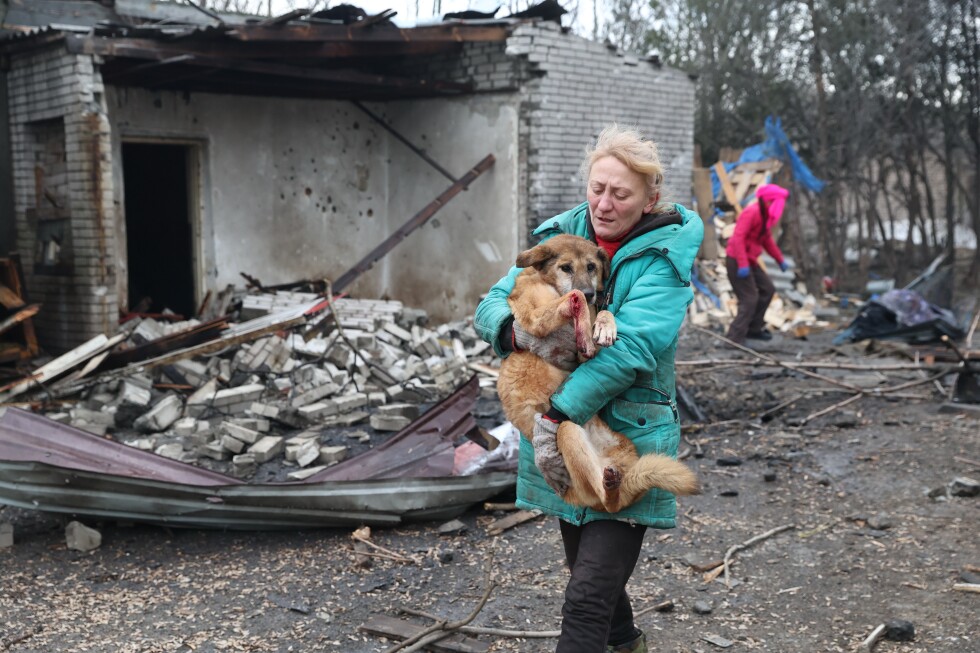
Civilian casualties continue to mount with reports confirming one fatality and multiple injuries across central and southern regions. A particularly devastating strike hit a dog shelter in Zaporizhzhia, killing 13 animals and injuring seven others despite emergency veterinary intervention.
With the conflict approaching its fifth anniversary later this month, diplomatic efforts remain stagnant despite recent U.S.-brokered negotiations in Abu Dhabi. Zelenskyy indicated forthcoming meetings between Russian and Ukrainian delegations, likely to convene in the United States, though specifics remain undisclosed.
The military situation on the ground remains intensely contested across a 1,200-kilometer front line in eastern and southern Ukraine. Colonel General Oleksandr Syrskyi, Ukraine’s Commander-in-Chief, noted that technological advancements in drone warfare have expanded the lethal engagement zone to approximately 20 kilometers deep, significantly increasing combat risks for military personnel.
Meanwhile, cross-border attacks have intensified with Ukraine targeting Russian energy infrastructure in Bryansk and Belgorod regions, causing temporary power disruptions to several villages and urban areas.