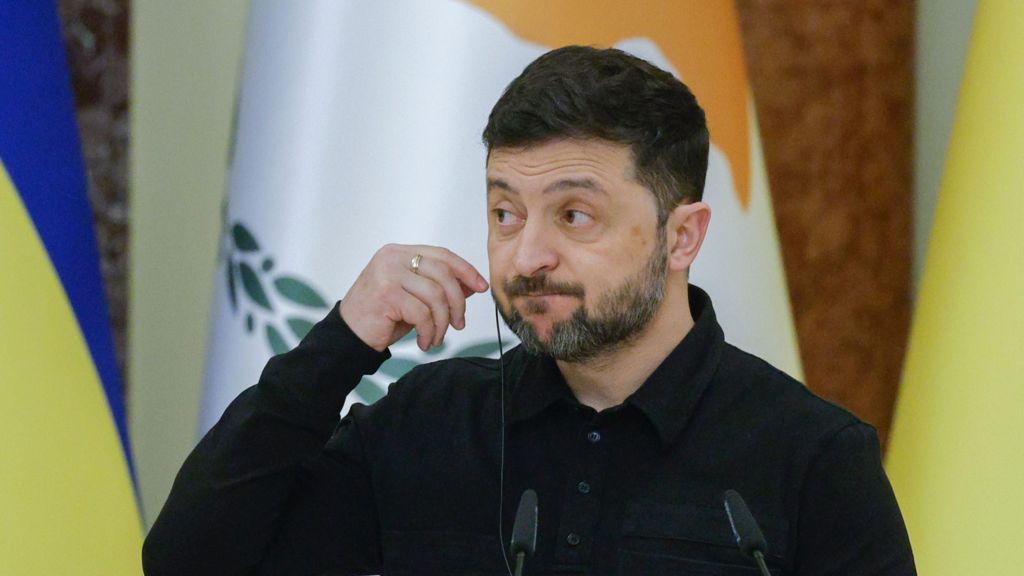
Ukrainian President Volodymyr Zelensky has characterized his recent diplomatic engagement with Trump administration peace envoy Steve Witkoff and presidential son-in-law Jared Kushner as “highly constructive.” The high-level discussion, which included Ukrainian officials participating from Miami, focused extensively on mechanisms to ensure Russian compliance with any potential peace agreement that might emerge from ongoing negotiations.
Despite these diplomatic efforts, Moscow shows no signs of de-escalation, continuing its intensive bombardment campaign across Ukraine. Overnight, Russian forces launched 653 drones and 51 missiles, targeting critical infrastructure including a railway hub in Fastiv southwest of Kyiv and energy facilities across eight regions, resulting in widespread blackouts. Russian authorities maintain these strikes targeted military-industrial sites and infrastructure.
European leaders have intensified their diplomatic response, with French President Emmanuel Macron offering “full solidarity” to Ukraine in a post-conversation social media statement. Macron confirmed his participation in upcoming London talks alongside Zelensky, UK Prime Minister Keir Starmer, and German Chancellor Friedrich Merz to discuss post-war security guarantees for Ukraine. This meeting follows a previous virtual discussion about deploying a European peacekeeping force to Ukraine should a ceasefire be achieved—a proposal Russian President Vladimir Putin has vehemently rejected, warning such forces would become “legitimate targets.
The parallel US-Ukrainian negotiations in Florida entered their third day, with both sides describing discussions as productive. A joint statement from Witkoff and Ukrainian National Security Council Secretary Rustem Umerov indicated agreement on security arrangement frameworks and deterrence capabilities necessary for sustaining peace, though specific details remain undisclosed. Negotiators emphasized that any prospect for ending the conflict ultimately depends on Russia’s willingness to take “steps towards de-escalation and cessation of killing.”