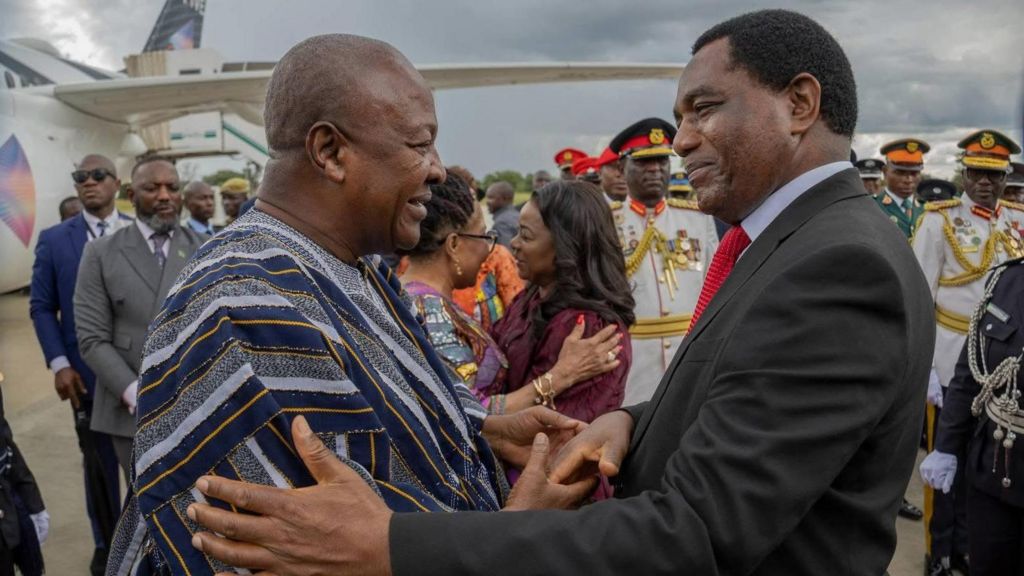
A diplomatic visit between Ghana and Zambia has evolved into a continental conversation about cultural identity and heritage reclamation, sparked by sartorial choices at the highest levels of government. The discourse began when Ghana’s President John Dramani Mahama arrived in Lusaka for a three-day state visit adorned in a traditional northern Ghanaian fugu garment—a structured, poncho-style outfit crafted from hand-woven cotton strips. His Zambian counterpart, President Hakainde Hichilema, greeted him in conventional Western business attire, creating a visually striking contrast that immediately captured public attention. The sartorial juxtaposition ignited vigorous online debate, with some Zambian social media users initially mocking the Ghanaian president’s traditional garment as a ‘blouse’ or ‘maternity wear’ in various Facebook commentary threads. Rather than dismissing the criticism, President Hichilema strategically embraced the cultural significance of the fugu during the Ghana-Zambia Business Forum, announcing his intention to personally ‘order more of that stuff’ from Ghanaian artisans. This presidential endorsement transformed the conversation from mockery to meaningful dialogue about African cultural identity. Ghana’s Foreign Minister Samuel Okudzeto Ablakwa interpreted the viral discussion as evidence of a growing movement among young Africans to reconnect with their heritage, describing the phenomenon as a renaissance of the ‘African personality.’ The minister highlighted the historical significance of the fugu, noting that Ghana’s founding father Kwame Nkrumah wore similar traditional attire when declaring independence from British colonial rule in 1957. The conversation expanded beyond political circles when prominent Ghanaian YouTuber Wode Maya contributed to the discourse, defending the presidential fashion choice as a deliberate strategy to promote local garment industries and encourage cultural pride across Africa. This diplomatic sartorial incident has brought renewed attention to Ghana’s existing ‘Fugu Friday’ initiative, which encourages citizens to wear traditional African clothing at least once weekly. The exchange demonstrates how cultural diplomacy and social media engagement can combine to foster important conversations about post-colonial identity, economic development through cultural promotion, and pan-African solidarity in the digital age.