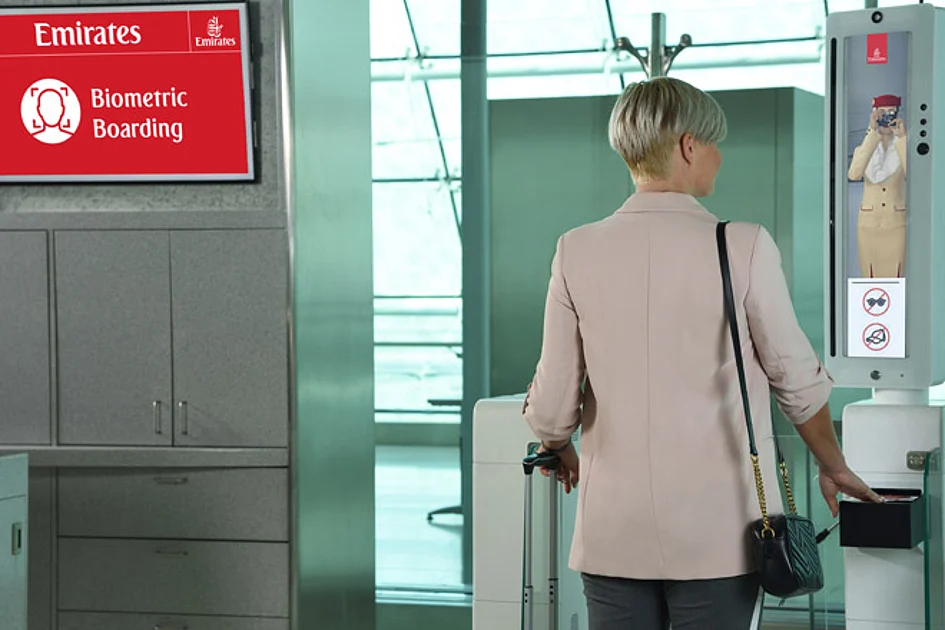
The future of air travel is increasingly digital, with smartphones becoming the central hub for managing every aspect of the journey. According to the International Air Transport Association’s (IATA) 2025 Global Passenger Survey, more than half of travelers (54%) now prefer to interact directly with airlines via apps, marking a significant shift from traditional booking methods. Airline websites, while still popular at 31%, have seen a decline from 37% in 2024, as apps gain traction, particularly among younger travelers, with 25% opting for mobile solutions. The survey, which gathered responses from over 10,000 travelers across 200 countries, highlights a growing demand for seamless, smartphone-based travel experiences. A staggering 78% of passengers want a single mobile solution that integrates digital passports, wallets, and loyalty cards to streamline booking, payments, and airport processes. Mobile-enabled baggage handling is also on the rise, with electronic bag-tag adoption jumping from 28% to 35% in just one year. Payment methods are evolving too, with digital wallet usage climbing from 20% to 28%, while card payments have dipped from 79% to 72%. Nick Careen, IATA’s Senior Vice-President for Operations, Safety & Security, emphasized that passengers expect to manage their travel digitally, akin to other aspects of their lives, but stressed the importance of trust and cybersecurity in this transformation. Biometric technology is playing a pivotal role in this digital shift, with 50% of passengers having used facial recognition at some stage of their journey, up from 46% in 2024. In the UAE, airports are leading the charge, with Emirates deploying over 200 biometric facial-recognition cameras at Dubai International Airport, enabling registered passengers to move from check-in to boarding without physical documents. Similarly, Abu Dhabi’s Zayed International Airport is rolling out a ‘Smart Travel’ system across check-in, security, and transfer points, allowing travelers to clear immigration in as little as seven seconds. While 85% of biometric users reported satisfaction with the technology, privacy concerns remain, with 42% of hesitant passengers stating they would reconsider if data-protection assurances were provided. Careen highlighted that the next major step is for governments to issue digital passports and enable their secure recognition across borders, paving the way for a fully digital travel experience.
Your phone as passport: Flyers now book flights, check in, clear immigration on mobile