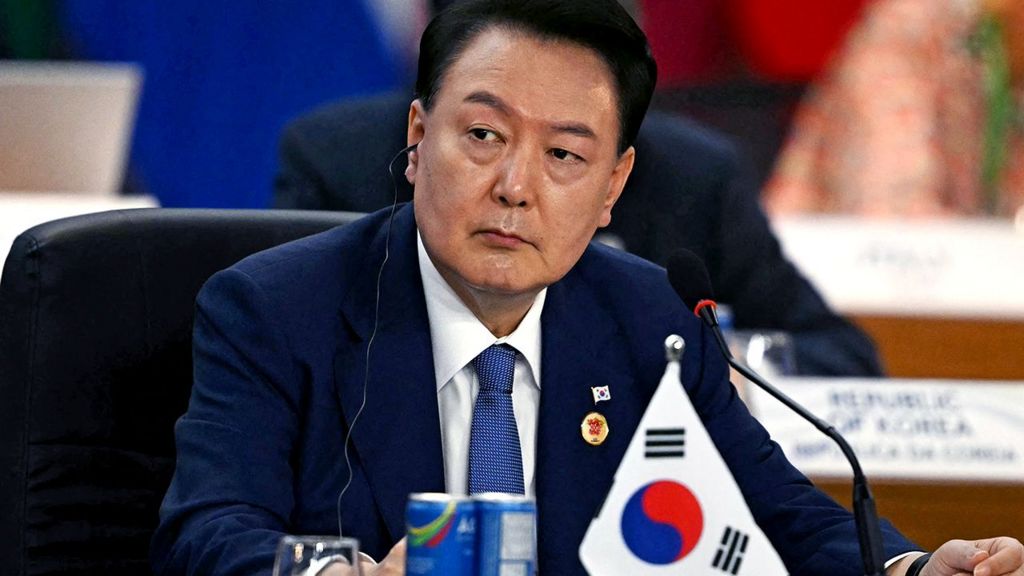
In a landmark verdict that concludes one of South Korea’s most dramatic political sagas, impeached former President Yoon Suk Yeol has been sentenced to life imprisonment for leading an insurrection through his unauthorized declaration of martial law in December 2024. The Seoul Central District Court delivered the decisive ruling on Thursday, marking the 65-year-old conservative leader’s second criminal conviction within a month.
The unprecedented constitutional crisis began when President Yoon attempted to institute martial law citing unspecified North Korean threats and ‘anti-state communist elements’—a move parliament reversed within hours amid massive public outcry. The declaration plunged South Korea’s young democracy into months of political turmoil, widespread protests, and ultimately led to Yoon’s impeachment, indictment, and removal from office in April 2025.
Legal experts have characterized the martial law attempt as both ‘legal overreach and political miscalculation.’ Professor Leif-Eric Easley of Ewha Womans University noted that ‘with extremely low public support and without strong backing within his own party, the president should have known how difficult it would be to implement his late-night decree.’
Yoon’s political downfall represents a spectacular reversal for the former prosecutor who rose to national prominence by convicting ex-President Park Geun-hye in 2016. His 2022 electoral victory against liberal opponent Lee Jae-myung by less than 1% reflected South Korea’s deeply divided political landscape. Yoon initially appealed to young male voters through anti-feminist platforms amid growing societal divisions over gender issues.
The former president’s tenure was marred by numerous controversies, including diplomatic gaffes and scandals involving first lady Kim Keon Hee, who faced allegations of corruption and influence peddling. Yoon’s approval ratings steadily declined throughout his presidency due to personal scandals and mounting opposition pressure.
The political crisis culminated after opposition parties won a landslide victory in April 2024 parliamentary elections, rendering Yoon a lame-duck president. Facing budget cuts and impeachment proceedings against cabinet members, Yoon resorted to what analysts termed ‘the nuclear option.’
Yoon’s insurrection trial revealed that his martial law justification—initially framed as national security necessity—was primarily motivated by domestic political troubles. Throughout the proceedings, the former president maintained defiance, characterizing his actions as ‘a measure to protect the freedom and sovereignty of the people.’
The verdict has further polarized South Korean society. While many celebrate the judgment as upholding constitutional order, Yoon retains a vocal support base among young male and elderly conservative voters who echo right-wing narratives about election fraud and national security necessities. Pro-Yoon demonstrators gathered outside the courthouse during the verdict, reflecting persistent divisions within Korean society.
Several former administration officials received substantial sentences for their roles in the crisis, including Prime Minister Han Duck-soo (23 years) and Interior Minister Lee Sang-min (7 years). The courts uniformly recognized the martial law declaration as an act of insurrection against constitutional order.
Despite the closure of this chapter, South Korea continues to grapple with the political and social divisions exposed during the crisis. Yoon still faces two additional trials while serving a separate five-year sentence for abuse of power, obstruction of justice, and document falsification convictions.