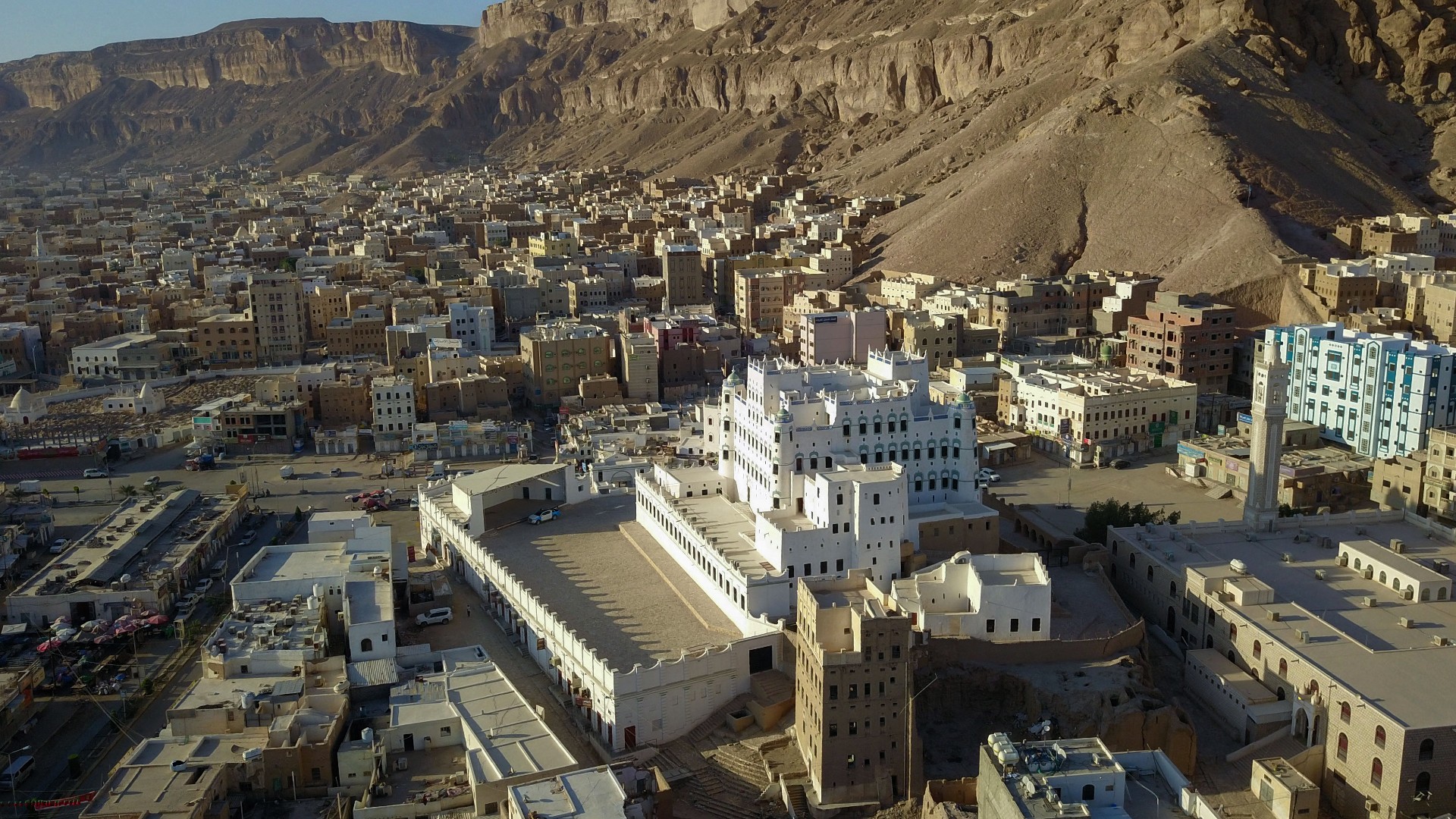
In a significant escalation of Yemen’s complex civil war, forces aligned with the UAE-supported Southern Transitional Council (STC) have successfully captured Seiyun, a major urban center in Yemen’s resource-rich Hadhramaut province. The military advance, part of an operation dubbed “The Promising Future,” has heightened tensions between Emirati-backed and Saudi-supported factions within southern Yemen.
Geopolitical analysts identify Hadhramaut as a critically strategic prize, constituting approximately one-third of Yemen’s territory and containing an estimated 80% of the nation’s limited oil reserves. The STC-aligned Hadrami Elite Forces, spearheading the offensive, have openly threatened the Saudi-backed Hadramout Tribes Alliance, accusing them of advancing “foreign agendas” that undermine southern Yemen’s independence aspirations.
Commander Abu Ali al-Hadrami of the Elite Forces declared his troops would not “stand idly by while attempts are made to impose a new reality in Hadramout by force.” This provocation prompted a stern response from Sheikh Amr bin Habrish, leader of the tribal coalition, who vowed to resist any “foreign or non-local military presence in Hadhramout” with armed force.
The confrontation turned violent on Wednesday as STC forces clashed with regional troops affiliated with Yemen’s Presidential Leadership Council at Seiyun’s presidential palace and international airport, resulting in at least three fatalities. Meanwhile, Yemen’s primary oil producer, PetroMasila, suspended operations after armed tribesmen entered its facilities.
International observers report concerning evidence of external military support, with STC forces utilizing UAE-supplied artillery systems and armored vehicles. Intelligence sources suggest an Emirati-orchestrated strategy to secure Hadhramaut’s oil fields and critical supply routes connecting to the Saudi border, further complicating the already fragmented conflict landscape.