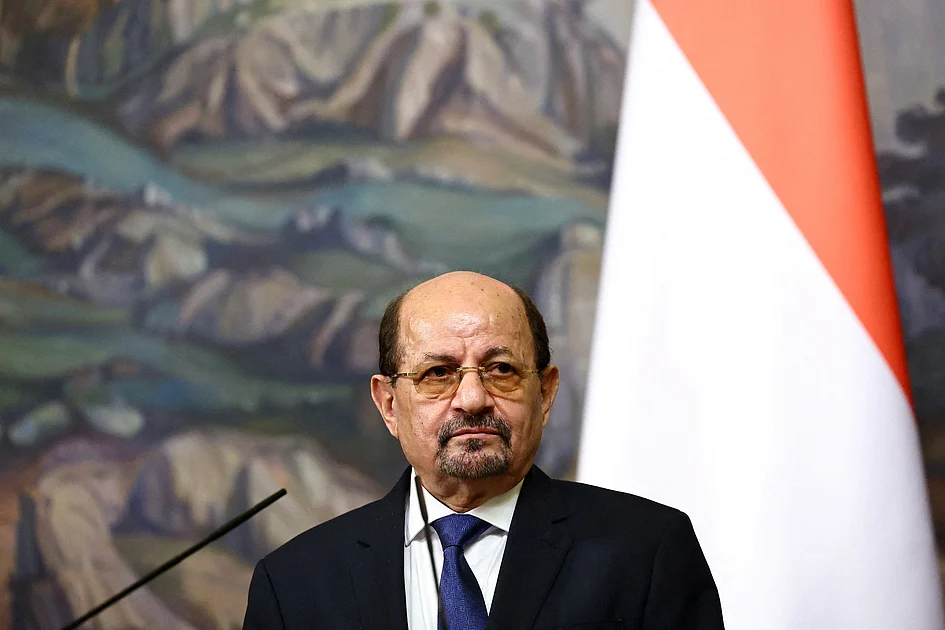
Yemen’s political landscape has undergone a significant transformation following the resignation of Prime Minister Salem bin Breik and the subsequent appointment of Foreign Minister Shaya Mohsen Zindani as his successor. The presidential leadership council formally accepted Bin Breik’s resignation, citing strategic efforts to restore state institutions and reinforce unified sovereign decision-making as primary motivations behind the leadership change.
According to the official statement released by Yemen’s state news agency Saba, the transition occurred on Thursday with the presidential council approving Zindani’s nomination to form a new cabinet. The outgoing government will maintain administrative operations, excluding personnel appointments and dismissals, until the new administration is fully established.
This political reorganization unfolds against a backdrop of heightened regional tensions and factional struggles for territorial control. In December, the Southern Transitional Council (STC), a prominent separatist movement, successfully ousted the internationally recognized government from its Aden headquarters, asserting dominance across southern regions.
Despite these internal challenges, substantial de-escalation and development initiatives are progressing. Saudi Arabia has committed to injecting over $500 million into Yemen’s development projects, as announced by the Kingdom’s defense minister in January. Concurrently, the United Arab Emirates has urged the international community to intensify diplomatic efforts toward achieving sustainable peace and stability in Yemen and the broader region, as articulated by Ambassador Mohamed Abushahab during a recent UN Security Council meeting.