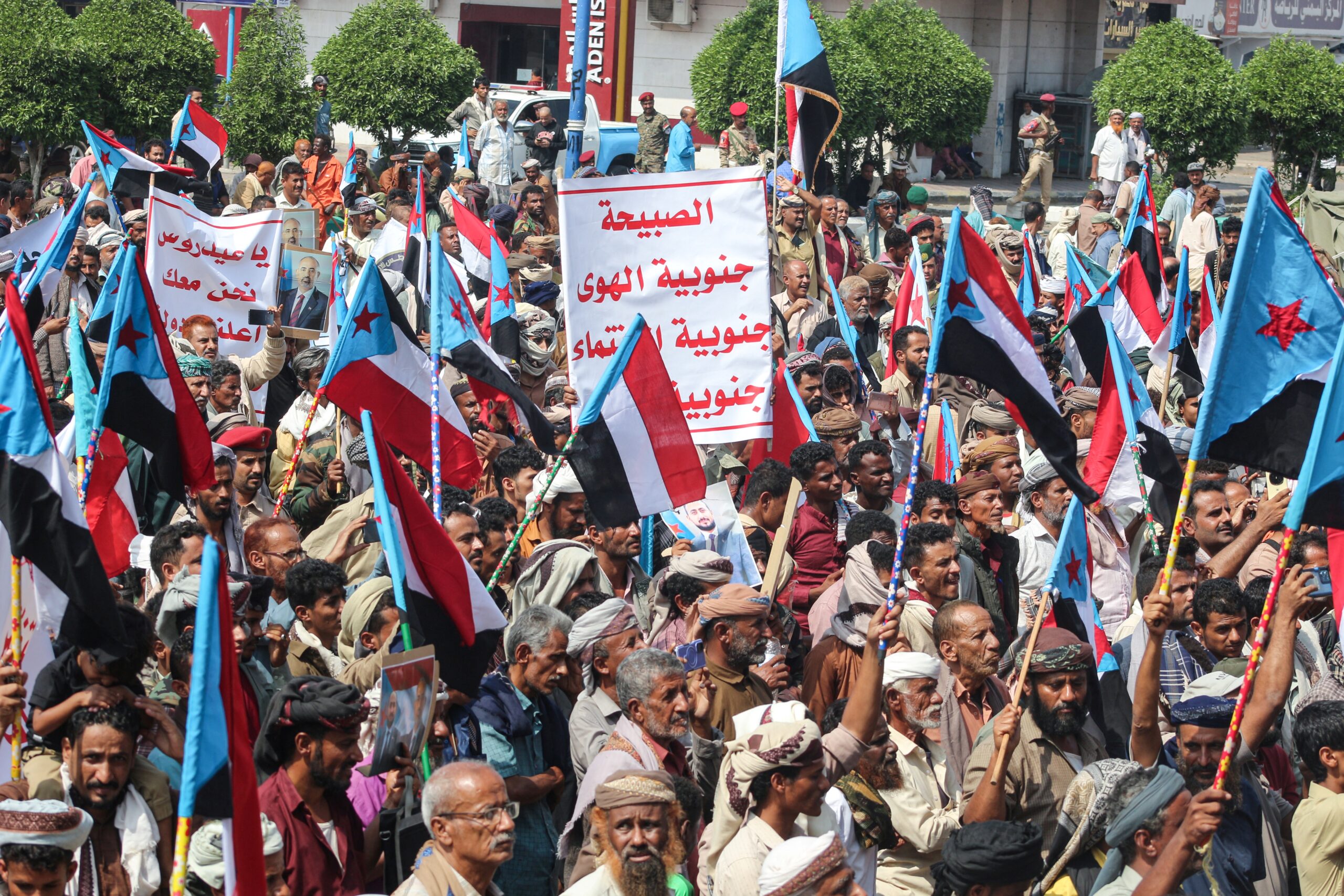
Tensions escalated dramatically in Yemen’s strategic Hadhramaut governorate as the Southern Transition Council (STC) reported coming under aerial bombardment from Saudi Arabian forces on Friday. The alleged strikes represent a significant deterioration in the complex alliance dynamics within the Yemeni conflict.
The Saudi government maintained official silence regarding the military action, though the attacks followed a stern diplomatic demand from Riyadh. Just one day prior, Saudi Arabia’s Foreign Ministry had publicly called for the UAE-supported separatist faction to immediately withdraw its forces from both Hadhramaut and al-Mahrah provinces.
Amr al Bidh, the STC’s special representative for foreign affairs, provided detailed accounts of the engagement to press agencies. According to his testimony, STC personnel in eastern Hadhramaut first encountered coordinated ground assaults by unidentified gunmen, resulting in two fatalities and twelve casualties. These initial skirmishes were subsequently followed by the reported aerial strikes.
This confrontation occurs against the backdrop of the STC’s successful military campaign earlier this month, during which the group established control over Yemen’s easternmost territories. Their advance prompted the unexpected retreat of Saudi-backed governmental forces from the region, fundamentally altering the balance of power.
The strategic significance of Hadhramaut cannot be overstated—while sparsely populated, the province contains approximately 80% of Yemen’s light crude oil reserves. Previously, this vital territory remained under the joint control of the internationally recognized Yemeni government (supported by Saudi Arabia) and local Hadrami tribal forces who likewise enjoyed Saudi patronage.
These developments constitute the latest chapter in Yemen’s devastating civil war, which commenced in 2014 when Houthi rebels captured the capital Sanaa and forced the Saudi-backed administration into exile. The STC emerged as a significant political entity in 2017, initially joining the UN-recognized government following negotiation efforts in 2022. Recently, however, the council has revived its campaign for an independent southern state, creating renewed friction within the anti-Houthi coalition.
The Emirati government has consistently provided military and political support to the STC and its affiliated groups, establishing multiple coastal military bases administered by the separatists. The recent expansion of STC control in Hadhramaut has exposed growing tensions between the UAE and Saudi Arabia, traditional Gulf allies who now back opposing factions within the same governorate.
Despite this emerging rift, the UAE government issued an official statement on Friday expressing support for Saudi efforts to promote regional stability. This diplomatic gesture, relayed through Saudi media channels, suggests ongoing attempts to manage disagreements behind closed doors.
Concurrently, the STC continues its efforts to consolidate territorial control while pursuing international legitimacy. The council has engaged in diplomatic outreach including reported discussions about normalizing relations with Israel, signaling its aspirations for broader international recognition beyond its current patronage relationships.