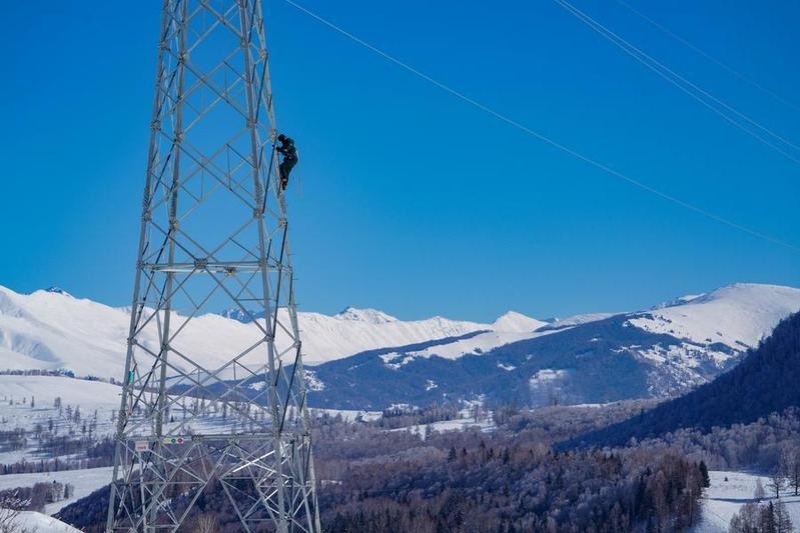
In the snow-covered landscapes of Xinjiang Uygur Autonomous Region, an energy revolution is quietly powering one of China’s most remarkable tourism transformations. While international skiers carve through pristine slopes at Jikepulin International Ski Resort, power station manager Qi Fan and his team maintain vigilant watch over the region’s electrical infrastructure, ensuring the winter economy remains energized.
The remote village of Hemu, nestled in Altay’s border region, has undergone a dramatic metamorphosis from seasonal destination to year-round tourism hub. Where once five transformers sufficed for the entire village, now 162 units distribute electricity to meet unprecedented demand. During the recent Chinese New Year holiday, Qi’s team addressed over 30 emergency calls within a two-hour period, navigating knee-deep snow to maintain uninterrupted power for approximately 500 clients including restaurants, homestays, and the massive ski resort.
This power expansion supports a tourism surge that has rewritten Hemu’s economic trajectory. Where businesses previously shuttered during harsh winters with temperatures plunging to -40°C, the 2021 opening of Jikepulin’s 103 ski runs has created a winter hotspot attracting up to 5,000 daily visitors. International tourists like American visitor Briona Bonner experience diverse offerings from Xinjiang snacks to Sichuan hotpot alongside world-class skiing facilities.
The numerical evidence underscores this transformation: Hemu’s electricity consumption surpassed 130 million kWh in 2025, quadrupling the 2020 figure. This growth aligns with regional development showing 101 skiing venues across Xinjiang by August 2025, including six top-level resorts. The expansion forms part of China’s national strategy to cultivate a 1.2 trillion yuan ice-and-snow economy by 2027, recognizing winter sports and tourism as significant economic drivers.
As new hotels and infrastructure continue development, Qi’s team maintains their vigilant preparation for nightly peaks when returning skiers illuminate the village with bonfires and celebrations—a testament to how reliable power has enabled a remote community to harness its winter potential and participate in China’s broader economic vision.