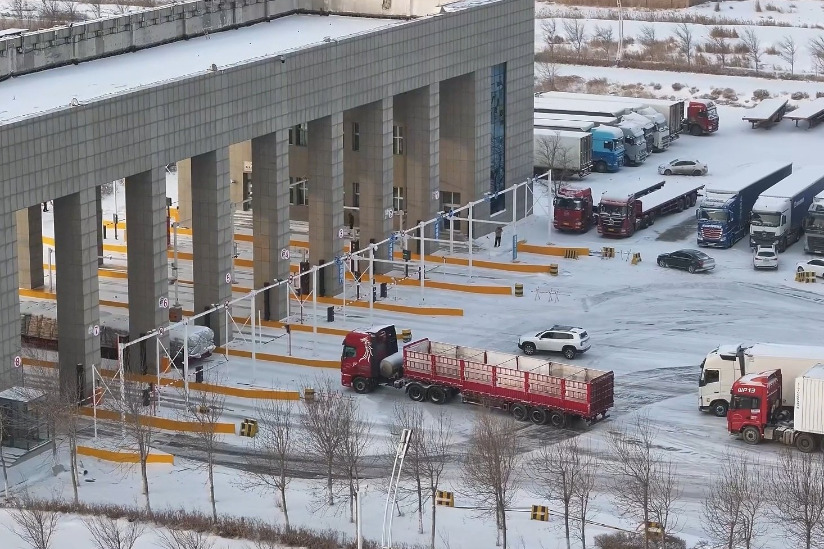
China’s Xinjiang Uygur Autonomous Region has emerged as the nation’s top-performing foreign trade hub, achieving unprecedented growth of 19.9% year-on-year in 2025. According to official data released by Urumqi Customs District, the region’s total import-export volume reached a historic 520.4 billion yuan ($74.7 billion), marking the highest growth rate among all Chinese provinces and autonomous regions.
The export sector demonstrated particularly robust performance, surging 25% to 460.7 billion yuan, while imports experienced a moderate decline of 8.9% to 59.6 billion yuan. Over the comprehensive Five-Year Plan period from 2021 to 2025, Xinjiang’s cumulative foreign trade exceeded 1.71 trillion yuan, representing a remarkable 144.3% increase compared to the previous five-year cycle.
Customs officials attribute this exceptional performance to strategic policy implementations throughout 2025. Deputy Director Li Qinghua highlighted that targeted measures to enhance port development and advance the China (Xinjiang) Pilot Free Trade Zone significantly optimized foreign trade structures. The region simultaneously accelerated smart port construction initiatives, creating a more efficient trade ecosystem.
Xinjiang’s international trade network has expanded substantially, maintaining particularly strong economic ties with Belt and Road Initiative partner nations. Trade with these countries reached 458.4 billion yuan, constituting 88.1% of Xinjiang’s total foreign trade volume. Central Asian countries accounted for over half of this trade, while ASEAN markets witnessed explosive 98.3% growth to 67.4 billion yuan—crossing the 10% threshold of Xinjiang’s total trade for the first time.
The region’s export composition has undergone significant transformation, with high-tech and high-value-added products driving growth. Mechanical and electrical product exports reached 186.5 billion yuan, while automobiles, automotive parts, electrical equipment, and electronic components demonstrated particularly strong performance. Advanced equipment related to new quality productive forces and green technology products including new energy vehicles and lithium batteries grew by approximately 70%.
Agricultural exports also flourished, increasing 25.4% due to rising international demand for dried and fresh products such as walnuts and grapes.
Private enterprises played a pivotal role in this success story, contributing 92.8% of Xinjiang’s total foreign trade volume. Their import-export value reached 482.7 billion yuan with 20.1% year-on-year growth. Notably, self-branded goods exports surged 40.3% to 52.11 billion yuan, with proprietary products accounting for significant portions of electrical equipment (33%), lithium batteries (81.1%), and textile machinery (25%) shipments.
Chief Inspector Huang Qun confirmed that Urumqi Customs District will continue supporting private businesses through enhanced regulatory efficiency, targeted policy guidance, and responsive service improvements to sustain this growth trajectory.