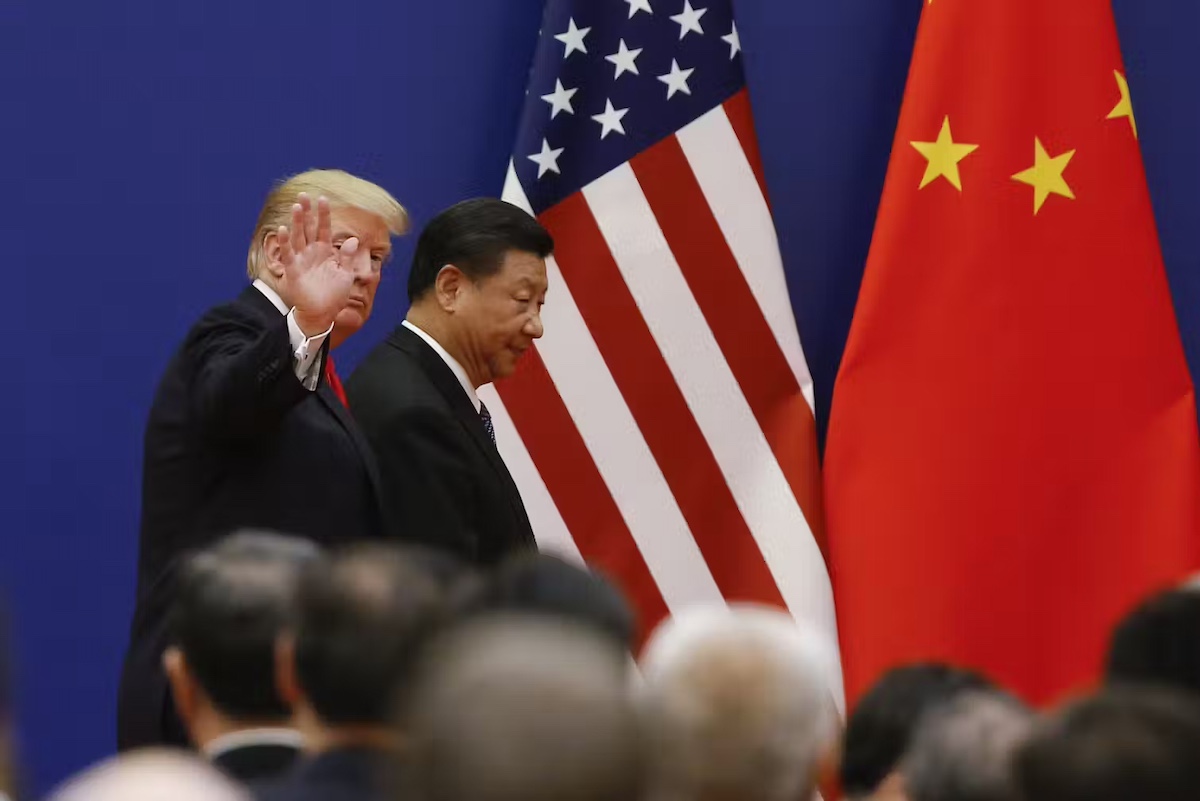
As Presidents Xi Jinping and Donald Trump prepare for their anticipated meeting on October 30, 2025, the agenda remains strikingly similar to their last encounter in 2019. Trade, Taiwan, and China-Russia relations continue to dominate discussions, with Trump seeking China’s assistance in brokering peace with Russia. However, the geopolitical landscape has evolved significantly since their previous meeting, prompting a closer examination of these critical issues.
**Taiwan: A Shifting US Stance**
One of the most notable changes since 2019 is the softening of the US position on Taiwan. During Trump’s first term, figures like Secretary of State Mike Pompeo advocated a hawkish approach, emphasizing support for Taiwan’s autonomy without endorsing outright independence. However, under the Biden administration, events such as the spy balloon incident and Nancy Pelosi’s controversial visit to Taiwan strained US-China relations, escalating tensions across the Taiwan Strait.
In Trump’s second term, Secretary of State Marco Rubio, traditionally a hardliner on Taiwan, appears to be moderating his stance. This shift is partly attributed to Trump’s potential desire for a compromise with China regarding Taiwan. Earlier this year, the Trump administration denied Taiwan President William Lai Ching-te a stopover in New York and canceled a $400 million arms deal with Taiwan, signaling a possible concession to Beijing.
**Trade: A Complex Tariff Landscape**
The trade dynamics between the US and China have also undergone significant changes. In 2019, the two nations were negotiating a ‘phase one’ trade agreement, which ultimately failed to materialize into a broader deal. The COVID-19 pandemic further disrupted global trade and supply chains, complicating negotiations.
Today, tariffs are universally applied, and Trump’s insistence on their enforcement has weakened his leverage in pressuring China. For instance, the UK, once a key ally in restricting Chinese tech giant Huawei, now faces a 10% tariff from the US, reducing its willingness to align with Trump’s anti-China strategies. Additionally, China’s increasing integration into global supply chains, particularly in sectors like rare earth materials, has made it harder for the US to exert economic pressure.
**China-Russia Relations: A Delicate Balance**
China’s approach to Russia has remained consistent since Trump’s first term, with Beijing prioritizing its economic and strategic interests over US concerns. Despite Russia’s invasions of Crimea in 2014 and Ukraine in 2022, China has maintained a cautious stance, abstaining from UN condemnations and refraining from recognizing Russia’s territorial claims. Beijing views Russia as a vital market for Chinese goods and a source of dual-use technology, benefiting from Russia’s isolation and dependence on Chinese exports.
As the Xi-Trump meeting approaches, these three issues—Taiwan, trade, and China-Russia relations—will undoubtedly shape the discussions. While the core topics remain unchanged, the evolving geopolitical context adds new layers of complexity to the negotiations.