Beijing has concluded its high-level Central Economic Work Conference, establishing a comprehensive roadmap for China’s economic strategy as the nation prepares to launch its 15th Five-Year Plan period (2026-2030). Chaired by President Xi Jinping, the conference outlined key priorities including implementing proactive macroeconomic policies, expanding domestic demand, optimizing supply chains, and developing a unified national market.
The meeting occurred against a backdrop of global trade tensions and domestic challenges, yet China’s economy has demonstrated remarkable resilience. Daily economic indicators reveal substantial vitality: approximately 24,000 new businesses emerge nationwide each day, while over 120 billion yuan worth of goods cross borders daily. Cloud data transmission exceeds 1.43 million gigabytes per second, with approximately 6,000 parcels entering logistics networks every second.
International financial institutions have responded positively to China’s economic performance. The International Monetary Fund recently raised its 2025 growth forecast for China to 5%, with the World Bank, Asian Development Bank, and OECD subsequently increasing their projections. “China’s economy has shown notable resilience despite facing multiple shocks in recent years,” noted IMF representative Sonali Jain-Chandra.
Throughout the year, President Xi conducted extensive inspections across China’s economic landscape, from northeastern industrial bases to eastern innovation hubs. These visits emphasized the critical importance of maintaining the real economy as the nation’s backbone while advancing manufacturing through high-end, intelligent, and green development pathways.
Private sector development received particular attention, with enacted legislation promoting private economy growth, targeted measures stimulating private investment, and accelerated clearance of overdue payments to companies. Technological innovation emerged as a central focus, exemplified by companies like Infinigence AI, which has rapidly expanded its cloud capacity to over 25,000 petaflops across 53 data centers in 26 cities.
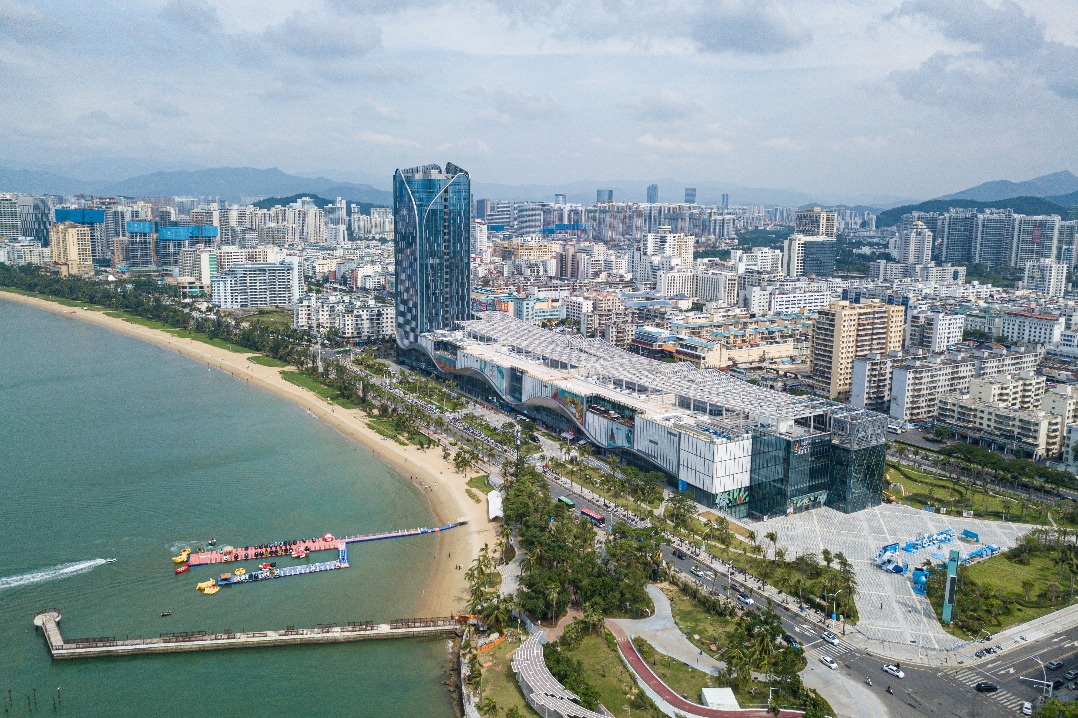
The strategy emphasizes that reform and opening-up remain China’s primary tools for navigating challenges and unlocking growth potential. Recent symbolic inspections of Hainan Free Trade Port and Guangdong province highlighted China’s commitment to high-standard opening-up and comprehensive reform. In 2025, key measures included accelerating unified market development, enforcing anti-unfair competition laws, and further trimming negative lists for foreign investment.
Multinational corporations have demonstrated continued confidence in China’s market. FAW-Volkswagen produced its 30 millionth vehicle in October, while Tesla launched its first overseas Megafactory in Shanghai. Siemens Healthineers is constructing new facilities in Shenzhen, and Airbus inaugurated its second Final Assembly Line in Tianjin.
President Xi has personally reassured international business representatives of China’s commitment to widening market access, ensuring equal treatment for foreign businesses, and maintaining fair competition. The forthcoming five-year plan emphasizes opening wider to the outside world, promoting innovative trade development, expanding two-way investment cooperation, and pursuing high-quality Belt and Road collaboration.
Spanish economist Pedro Barragán characterized China’s five-year plan as “an anchor of stability” in an unsettled global environment, noting that “as China manages to maintain orderly economic growth and advance reforms, its role as an engine of the global economy will be strengthened.”