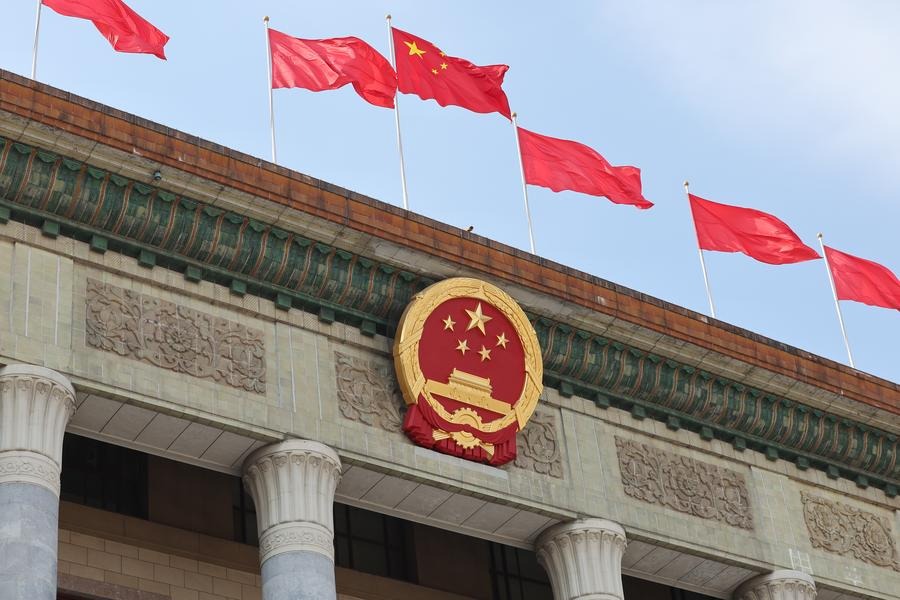
China has achieved a significant milestone in its commitment to law-based governance with the enactment of a new law on November 1, 2025, aimed at enhancing public awareness of the rule of law. This legislation, which emphasizes lifelong legal education for citizens, seeks to solidify the social foundation for advancing comprehensive law-based governance and elevate the construction of a socialist country under the rule of law. For the first time, ‘Xi Jinping Thought on the Rule of Law’ has been integrated into national legal texts, marking a pivotal step in strengthening the legal framework.
Since the 18th National Congress of the Communist Party of China (CPC), President Xi Jinping has introduced a series of innovative concepts and strategies that have shaped China’s approach to law-based governance. His thought provides critical answers to why and how law-based governance should be pursued in the new era, offering fundamental guidance for the steady progression of this initiative.
Xi’s leadership has been instrumental in driving the rule of law forward, laying a robust foundation for sustaining rapid economic growth and long-term social stability. His extensive experience in local governance, from Hebei to Shanghai, has consistently demonstrated his commitment to upholding the rule of law. In March 2018, Xi became the first Chinese president to take the oath of office in front of the Constitution, symbolizing his dedication to governing the country in accordance with the law.
Under Xi’s guidance, China has implemented a series of national plans, including the 2020-25 plan to build the rule of law and guidelines for constructing a law-based government and society. These initiatives provide a comprehensive blueprint for advancing law-based governance. The fourth plenary session of the 20th CPC Central Committee in October 2025 further emphasized the role of the rule of law in China’s modernization and national rejuvenation, calling for stronger mechanisms for resolving administrative disputes and accelerating the development of foreign-related legal systems.
Xi views the rule of law as essential for sustaining high-quality development. Recent efforts have yielded visible impacts across various sectors, including the private sector, where a landmark case under the private sector promotion law resulted in a government department compensating a private enterprise over 8 million yuan. This ruling was widely welcomed as a sign of stronger legal protection.
In the face of global changes, Xi has stressed the importance of leveraging the rule of law to consolidate foundations, stabilize expectations, and serve long-term development. His emphasis on legal safeguards in economic affairs has led to the introduction and revision of laws supporting rural revitalization, fair competition, and emerging industries. Xi has also underscored the need to define government power boundaries through law, standardize administrative procedures, and protect the rights of all market entities equally.
Reform and the rule of law have synergized to lead comprehensive reform and promote law-based governance. Xi’s personal involvement in the establishment of the Hainan Free Trade Port, set for island-wide special customs operations on December 18, 2025, exemplifies this synergy. The port’s development process, from foundational legislation to the implementation of streamlined approval and foreign investment regulations, reflects the practice of the rule of law.
China’s foreign-related legal work has advanced in tandem with its opening-up, with the formulation and revision of key laws such as the Foreign Investment Law, Law on Arbitration, and Maritime Law. By the end of 2024, Chinese law firms had established 207 overseas branches in 37 countries and regions, and Chinese courts were handling tens of thousands of maritime cases annually, with increasing numbers of foreign parties choosing to litigate in China.
Xi’s commitment to sound governance is evident in his engagement with citizens during a 2019 visit to a legislative outreach office in Shanghai, where he emphasized the importance of whole-process democracy. As of August 2025, the Legislative Affairs Commission of the NPC Standing Committee had established 54 such outreach offices nationwide, with over 7,800 offices at provincial or municipal levels.
China’s legal system continues to expand and mature, with 310 laws, over 600 administrative regulations, and more than 14,000 local regulations currently in force. The improvement of China’s governance system is closely tied to progress in the legal field, as seen in the drafting of China’s first-ever environmental code in April 2025. The judiciary plays a crucial role in safeguarding fairness and social stability, combating crimes such as gang-related offenses, and expanding public legal services to ensure accessibility in both urban and rural areas.