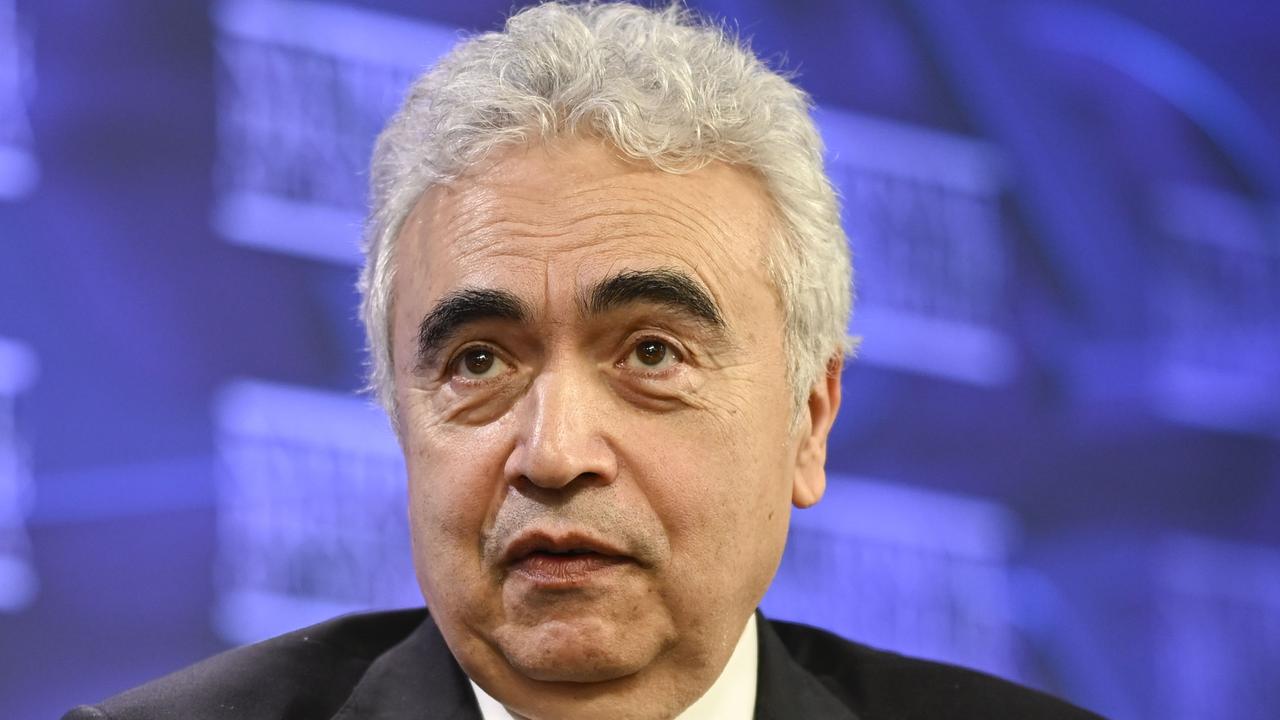
The head of the International Energy Agency (IEA) has issued a stark warning about the severity of the global fuel crisis triggered by the Middle East conflict, drawing direct comparisons to the economic shocks of the 1970s while stopping short of endorsing immediate COVID-style restrictions.
During his address at the National Press Club in Canberra on Monday, IEA Executive Director Dr. Fatih Birol revealed the conflict has already removed 11 million barrels of oil daily from global markets – equivalent to more than two major 1970s oil crises combined. The situation is further exacerbated by natural gas shortages approaching double those experienced after Russia’s invasion of Ukraine.
When questioned about whether Australian households are prepared for potential fuel conservation measures reminiscent of pandemic restrictions, Dr. Birol responded cautiously: “I definitely wouldn’t say yes. But households need to be better informed about the magnitude of the challenge we are facing.”
The energy expert emphasized that while peaceful resolution remains the optimal outcome, market normalization would require significant time even if hostilities ceased immediately. He identified the effective closure of the Strait of Hormuz – transit route for one-fifth of global oil shipments – as particularly severe.
The IEA has already coordinated the largest-ever release of strategic petroleum reserves among member nations, totaling 400 million barrels. While this provided temporary price relief, Dr. Birol confirmed additional releases remain under consideration based on ongoing market assessment.
Rather than mandating specific measures, Dr. Birol emphasized governmental responsibility in determining appropriate responses: “Governments need to expect to take measures to protect their economies, their citizens, their businesses. The primary responsibility lies with governments, with help from industry and citizens.”
The agency recommends practical conservation strategies including increased telecommuting, carpooling arrangements, and reduced air travel to alleviate demand pressures during what Dr. Birol characterized as an unprecedented convergence of energy market disruptions.