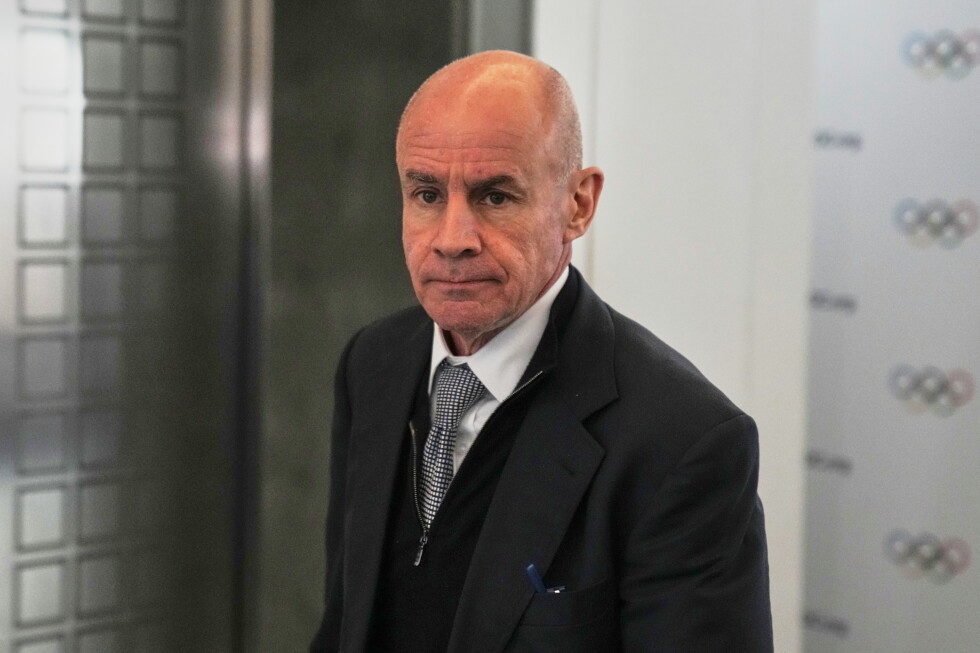
BELGRADE, Serbia — In a stunning upset that has sent ripples through global winter sports, longtime International Ski and Snowboard Federation (FIS) president Johan Eliasch has been removed from his post by a razor-thin one-vote margin, capping a chaotic campaign that pitted the incumbent against a coalition of traditional skiing powerhouses and elite athletes.
The Thursday election ended with Alexander Ospelt, a little-known lawyer from the Alpine principality of Liechtenstein, securing a 65-64 victory over Eliasch, a Swedish-British billionaire and owner of global sports equipment brand Head. Ospelt will now take the helm of FIS for a four-year term, after the vote went his way at the governing body’s general congress held in the Serbian capital.
For Eliasch, the defeat comes with an additional high-profile consequence: he immediately loses his seat in the International Olympic Committee (IOC), one of the most exclusive and influential bodies in global sport. The 64-year-old, who served as FIS president for five years, had previously run for IOC presidency 15 months ago, a race ultimately won by Kirsty Coventry.
In his immediate concession address, Eliasch made a bombshell allegation against the IOC, claiming the Olympic governing body had interfered to sway the election result. “The IOC tried to influence the outcome of today’s vote. Against this we must stay firm,” he told delegates, before urging FIS to defend its institutional independence and extending congratulations to his opponent.
The writing was on the wall for Eliasch from the opening moments of the FIS congress, as delegates moved quickly to signal their dissatisfaction with his leadership. By an 88% majority, members voted to rearrange the official agenda and advance the presidential election to the first order of business, an unusual move that reflected widespread discontent. Later, another 60% vote approved a shift from electronic voting to paper ballots, a change widely interpreted as a vote of no confidence in Eliasch’s outgoing administration over transparency concerns.
Unlike international soccer governing body FIFA’s one-member-one-vote system, FIS uses a weighted voting framework that grants larger, more established skiing nations two or three votes apiece. That structure worked against Eliasch, who had spent half a decade locked in bitter public disputes with the sport’s traditional heartland nations in Europe and North America over his autocratic management style and controversial decisions around spending FIS’s cash reserves.
Even his home national federations of Sweden and Great Britain refused to back his re-election bid. To comply with FIS nomination rules, Eliasch ultimately secured a nomination and citizenship from Georgia to appear on the ballot. His campaign was opposed by a coalition of leading winter sports nations that secured the backing of many top professional skiers, including American skiing legend Mikaela Shiffrin, one of the most decorated athletes in the sport’s history.
Under FIS bylaws, Ospelt will not officially take office until one full day after the election, allowing Eliasch to oversee the remaining congress business on his final day in the role. Framing the outcome as a positive result either way in pre-election comments, Eliasch struck a measured tone in his closing remarks. “It’s been a great privilege to serve you,” he said. “Either way I am very happy,” adding that a loss would let him “get my life back.”
Ospelt, who has served as a member of the FIS Council under Eliasch’s leadership, struck a unifying tone in his first remarks as president-elect. “I will start my new job with great joy and humility,” he said. “I will be the president for all of you. Let’s be united.”
Unlike his predecessor, Ospelt will not automatically gain IOC membership immediately after taking office. However, as the head of FIS — the governing body that oversees roughly half of all medal events at every Winter Olympic Games — he is widely expected to receive an invitation to join the IOC in due course.