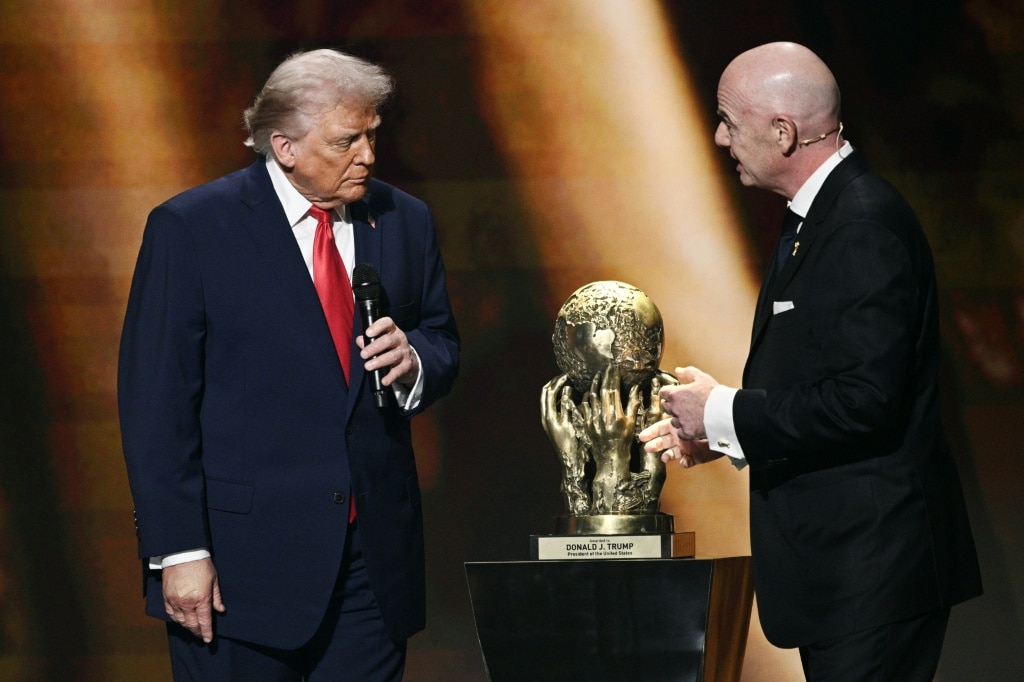
As the 100-day countdown commences for the largest FIFA World Cup in history, the monumental sporting event finds itself navigating a complex landscape of geopolitical tensions and operational hurdles. The 2026 tournament, uniquely co-hosted across the United States, Canada, and Mexico, will feature an unprecedented 48 national teams competing in 104 matches. The football extravaganza is scheduled to kick off at Mexico City’s iconic Estadio Azteca on June 11th, culminating in the championship final at New Jersey’s MetLife Stadium on July 19th.
FIFA President Gianni Infantino projects record-breaking commercial success for the event, forecasting approximately $11 billion in revenue—significantly surpassing the $7 billion generated by the 2022 Qatar World Cup. With over 508 million ticket requests for just seven million available seats, demand has reached unprecedented levels. However, this commercial ambition has drawn criticism from fan organizations worldwide, including Football Supporters Europe, which has condemned FIFA’s pricing strategy as a ‘monumental betrayal’ of loyal supporters.
Beyond the financial considerations, the tournament confronts substantial political complications. The Trump administration’s international policies—including trade disputes with co-hosts Canada and Mexico, alongside stringent immigration measures affecting qualified nations Iran, Haiti, Senegal, and Ivory Coast—have introduced uncertainty regarding fan accessibility. Although White House officials assure that visa restrictions won’t impede ticketed spectators, geopolitical friction persists.
Recent U.S.-Israeli military actions against Iran have added diplomatic complexity, particularly as Iran’s national team is slated to play group matches in Los Angeles and Seattle. Simultaneously, Mexico faces security concerns following violent unrest in Guadalajara—a host city for four matches—after military operations targeted drug cartel leadership. Both Infantino and Mexican President Claudia Sheinbaum have publicly affirmed that safety protocols remain robust and games will proceed uninterrupted.
On the competitive front, the expanded format guarantees that the top two teams from each of the twelve groups, plus eight third-place finishers, will advance to the knockout stage—a structure that minimizes early exits for traditional football powerhouses. The tournament promises compelling narratives, including Lionel Messi’s anticipated sixth and final World Cup appearance as he leads defending champion Argentina against formidable challengers like France, Spain, and an England squad seeking to end a six-decade championship drought. The event will also welcome debutante nations including Cape Verde, Curaçao, Jordan, and Uzbekistan, adding fresh intrigue to the global spectacle.