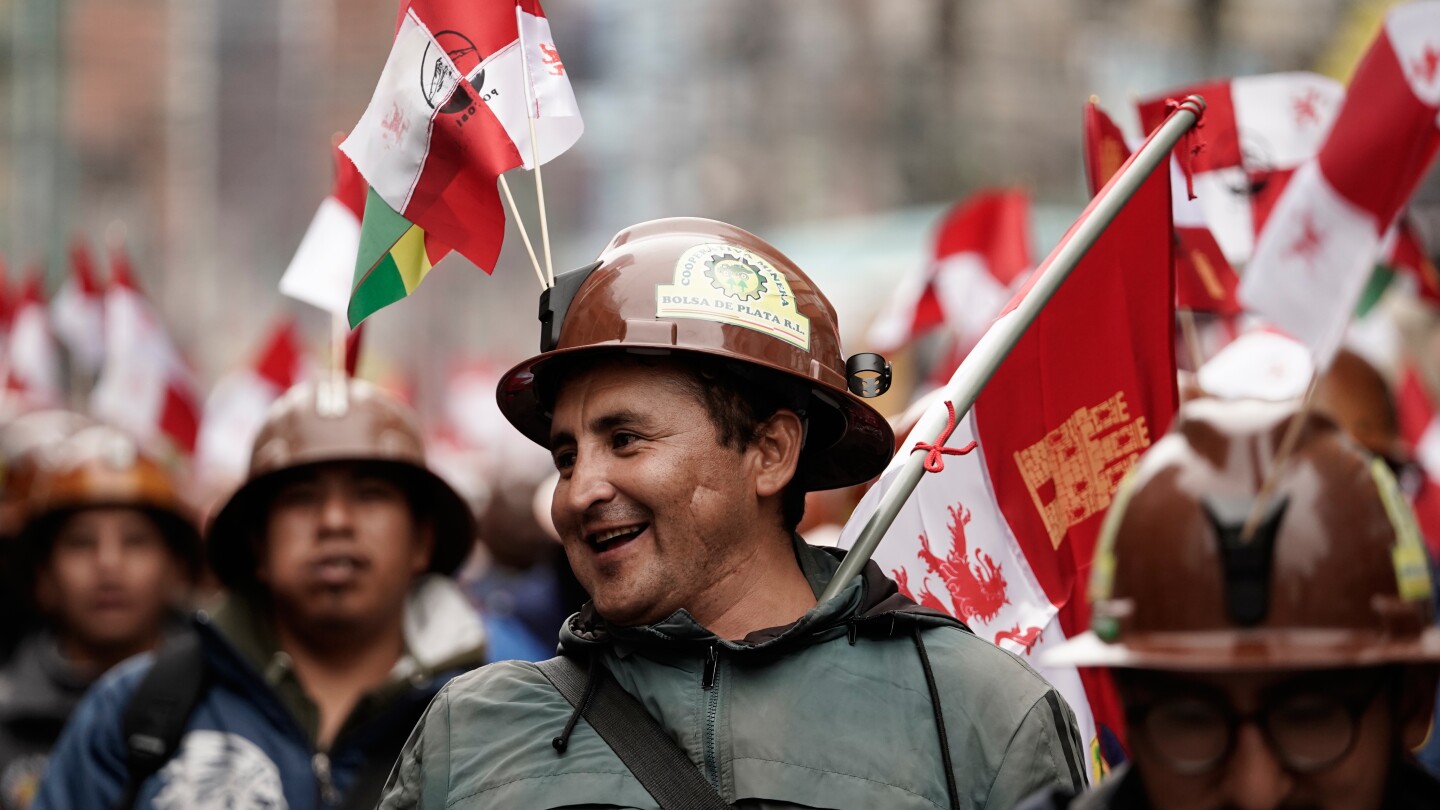
LA PAZ, Bolivia — Bolivia’s political landscape erupted in protest on Monday as thousands of miners and union members launched a nationwide strike against President Rodrigo Paz’s controversial decision to eliminate long-standing fuel subsidies. The demonstrations, organized by Bolivia’s Central Union of Workers, marked the first major challenge to Paz’s centrist government since he took office on November 8.
The core of the conflict centers on Paz’s emergency decree that abruptly ended two decades of fuel subsidies, catapulting gasoline prices from $0.53 to approximately $1 per liter. The president defended his decision during a televised town hall, stating, ‘The country is sick and must be healed. Every day, $10 million is spent on a subsidy that benefits smugglers’ who allegedly resell subsidized fuel both domestically and internationally.
While transportation workers and several trade groups notably abstained from joining the protests, miners and coca growers—traditional allies of former left-wing governments—mobilized forcefully. In La Paz, police sealed off access to government buildings as protesters flooded the capital’s downtown. Simultaneously, roadblocks emerged in six of Bolivia’s nine regions, with significant demonstrations reported in Cochabamba, the country’s third-largest city, where supporters of former President Evo Morales blocked major highways.
The economic context reveals deeper troubles: Bolivia’s foreign currency reserves have been depleted by $3 billion annually in fuel imports, exacerbating what analysts describe as the nation’s most severe economic crisis in forty years. This downturn follows the decline of Bolivia’s natural gas exports and has created critical dollar shortages that hampered business operations.
Business groups have overwhelmingly supported Paz’s measures, anticipating they will stabilize currency availability and facilitate imports. Luis Paco, a merchant union leader from El Alto, acknowledged the inevitability of the reforms: ‘We knew that at some point the subsidies would end. There were no negotiations over the new adjustments, but we knew this was inevitable.’
Political scientist Carlos Cordero suggested the protests reflect pre-electoral positioning ahead of next year’s local elections rather than widespread popular opposition. The relatively limited turnout, he noted, indicates weakening union influence and growing public acceptance that economic adjustment was necessary.
Meanwhile, the government has implemented compensatory measures, including duty-free auto part imports for transportation sectors and a 20% minimum wage increase, which likely contributed to bus drivers’ decision to remain operational during the protests.