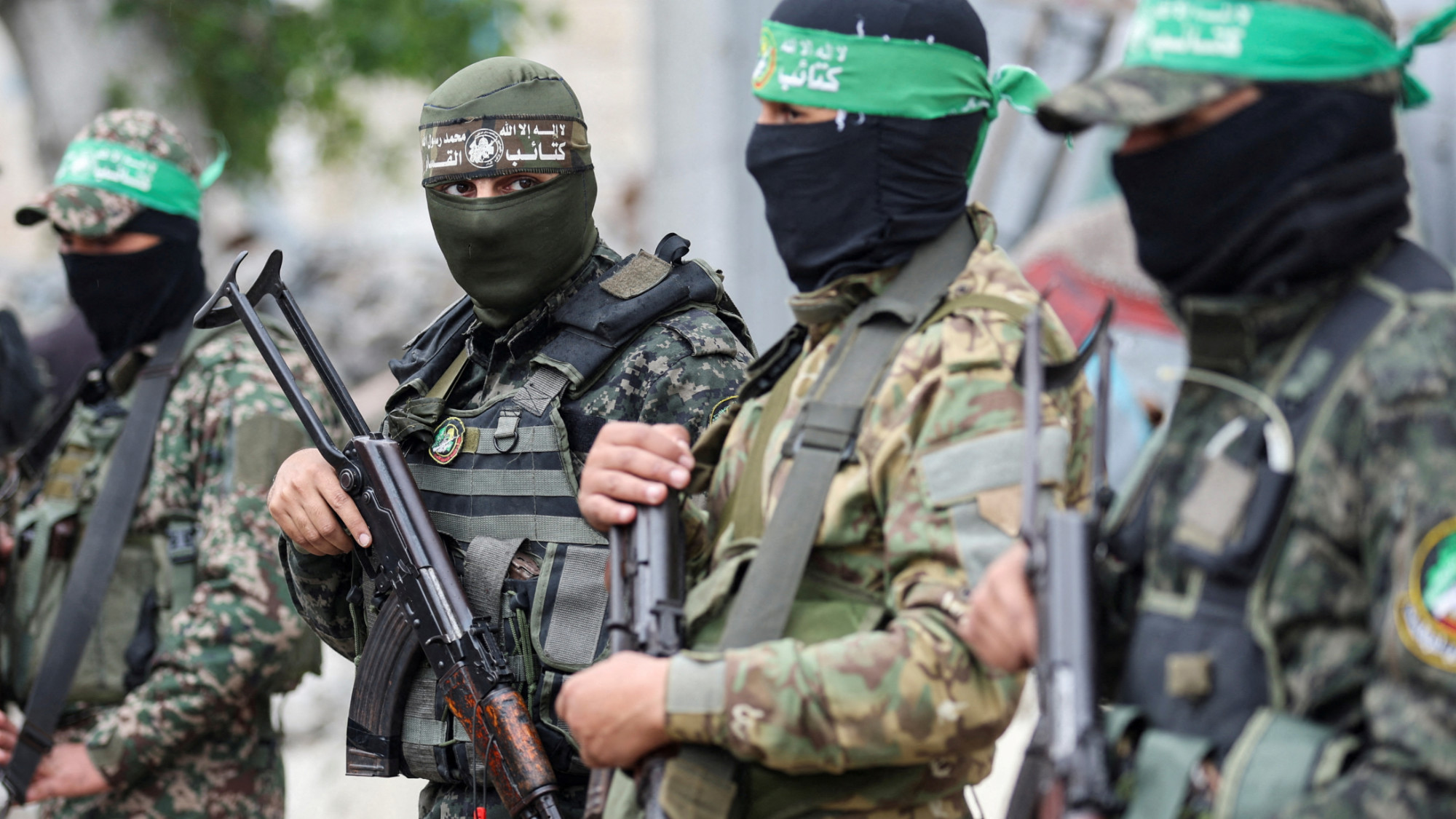
In the wake of a fragile ceasefire with Israel, Hamas has swiftly resumed its patrols across Gaza, signaling its enduring presence and authority in the war-torn enclave. This move serves as both a warning to Israeli-linked gangs and a declaration of its governance amidst ongoing international efforts to marginalize the group. Despite U.S. President Donald Trump’s 20-point plan envisioning a Gaza without Hamas’s military or political influence, analysts argue that the group’s deep-rooted presence and the lack of viable alternatives make its sidelining highly improbable. Azzam Tamimi, a scholar and author on Hamas, emphasized that the group was not defeated, pointing to Israel’s eventual agreement to a ceasefire as evidence of Hamas’s resilience. The deal, which ended a two-year conflict, included humanitarian relief, a phased Israeli withdrawal, and a prisoner exchange. Israeli Prime Minister Benjamin Netanyahu’s failure to crush Hamas’s resistance underscores the group’s tenacity. In the immediate aftermath of the truce, Hamas has launched a crackdown on criminal gangs and collaborators, reasserting its security control. This includes public executions of alleged collaborators, a move that has drawn both criticism and support. Muhammad Shehada, a Palestinian analyst, noted that Hamas’s actions aim to restore order and disarm rival factions, while also consolidating its influence. Despite Trump’s threats of disarmament, Hamas remains steadfast in its refusal to relinquish weapons until a Palestinian state is established. The group’s leadership has signaled its readiness to continue resisting Israeli occupation, even as discontent grows among Gaza’s population. Polls indicate that while Hamas has lost some support, it remains more popular than its rival Fatah, with many Palestinians opposing disarmament. Shehada highlighted the paradoxical dynamics of Hamas’s popularity, noting that some of its harshest critics have become vocal supporters due to the perceived genocide in Gaza. As Hamas navigates its post-ceasefire strategy, its role in Palestinian governance remains a contentious issue, with the group seeking to maintain influence while avoiding international delegitimization.