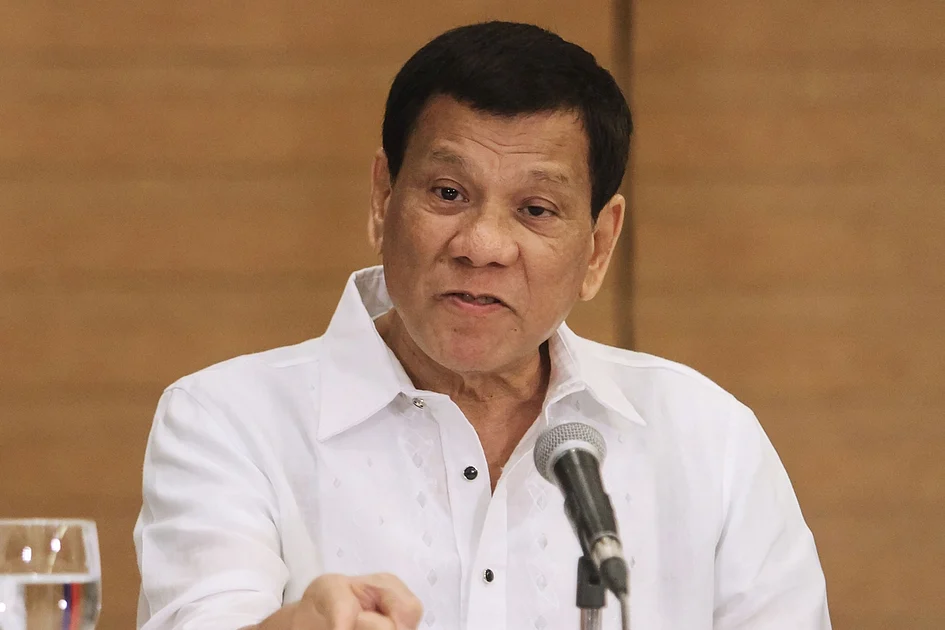
THE HAGUE – The International Criminal Court has authorized former Philippine President Rodrigo Duterte to waive his physical presence during this week’s critical confirmation of charges hearing, proceeding with the case despite objections from prosecution and victim representatives.
Pre-Trial Chamber I determined that Duterte, facing allegations of murder and attempted murder as crimes against humanity, has voluntarily relinquished his right to attend the four-day proceedings commencing February 23. The Chamber emphasized that his absence would not impede judicial processes, noting that defense counsel had thoroughly explained the consequences of this decision.
This marks the latest development in Duterte’s pattern of non-appearance before the ICC. Since initially confirming his identity at the March 2025 hearing, the former leader has consistently avoided subsequent sessions, including those addressing petitions for temporary release.
His legal team, led by attorney Nicholas Kaufman, has repeatedly cited deteriorating health conditions as justification for absence, claims the Chamber has previously rejected. Human rights advocates now question the validity of these health assertions.
Ephraim Cortez, president of the National Union of Peoples’ Lawyers representing victims’ families, challenged the health narrative directly: ‘Duterte is fit as a fiddle. His non-appearance is strategic – preventing public observation of his actual physical condition.’
Legal analysts suggest the absence reflects broader defense strategies rather than genuine health concerns. Cortez noted that confirmation hearings would proceed based on evidence rather than defendant presence, with the right to remain silent remaining available should Duterte eventually testify.
Philippine opposition lawmakers from the Makabayan bloc have characterized Duterte’s avoidance as ‘cowardice’ and ‘a shameless display of arrogance,’ referencing the thousands of victims affected by the controversial anti-drug campaign between 2011-2019.
The case represents one of the ICC’s most significant examinations of state-sponsored violence in recent years, with proceedings continuing despite the defendant’s absence.