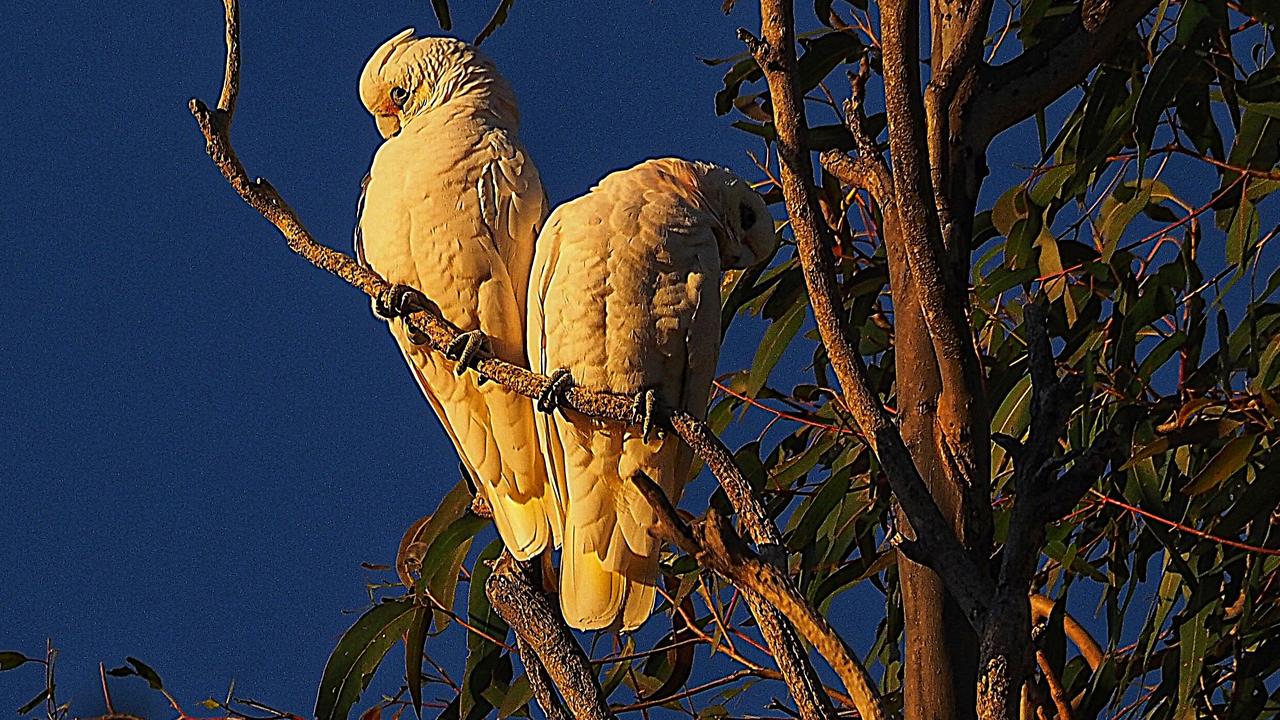
Kangaroo Island, a major natural habitat off the coast of South Australia, has achieved a breakthrough in its long-running battle against invasive non-native species, with an innovative night culling strategy using infrared thermal imaging technology and trained marksmen successfully reducing populations of destructive little corellas. This newly tested method comes as the island continues its broader campaign to eliminate harmful introduced species, following ongoing efforts to eradicate feral cats across the region.
For more than a century, little corellas, a species of cockatoo not native to the island, have thrived alongside human settlement, growing into an overabundant population that disrupts the local ecosystem and damages key local industries. Unlike native wildlife that fits into Kangaroo Island’s balanced natural food web, these introduced birds have left a wide trail of harm: they cause irreversible damage to mature native trees, erode critical infrastructure, threaten the profitability of the island’s grain-growing sector, and push the vulnerable endemic glossy black cockatoo closer to risk by destroying their eggs and killing hatchlings. Beyond ecological harm, the growing corella population creates persistent noise pollution and spreads pathogens through their accumulated droppings, posing tangible public health risks to local communities.
For years, Kangaroo Island’s environmental managers tested a range of conventional control strategies to curb the corella population, including trapping, gassing, and daytime shooting. However, the adaptable, quick-witted birds soon learned to avoid these methods, delivering only limited success that left managers searching for a more effective solution.
In a two-year trial run across the 2022-2023 and 2023-2024 summer seasons, the Kangaroo Island Landscape Board rolled out an unconventional approach: deploying skilled marksmen equipped with infrared thermal imaging gear to target roosting corellas while they sleep at night. What initially sounds like a plot device from a James Bond spy thriller has turned out to be far more effective than any prior method, according to final trial results released this week.
Over the course of the two-year trial, a total of 2,640 little corellas were humanely culled. The 2023-2024 summer season removed 1,467 birds, and the most recent 2024-2025 season culled 1,173 corellas in just five nights of operations. Will Durack, general manager of the Kangaroo Island Landscape Board, explained that targeting roosting flocks at night removes the corellas’ ability to avoid control efforts, delivering far higher removal rates per operation than conventional approaches. “Targeting birds at night while they are roosting allowed several hundred birds to be removed in a single operation and achieved a much higher catch per unit effort,” Durack said. “The trial now shows a proven method for effective and humane control of little corellas.”
The successful trial comes as Kangaroo Island pursues an ambitious agenda to eliminate all feral invasive species from the island, following a public proposal for a strict “last cat policy” to eradicate feral cats, another major threat to the island’s native wildlife. Under the proposed cat policy, existing domestic cats would be allowed to stay with their owners, but no new cats would be permitted to be brought onto the island to prevent future feral populations from establishing. Durack added that the board is ready to share its successful night culling method with other environmental agencies across South Australia that are grappling with overabundant corella populations, to support more effective invasive species control across the state.