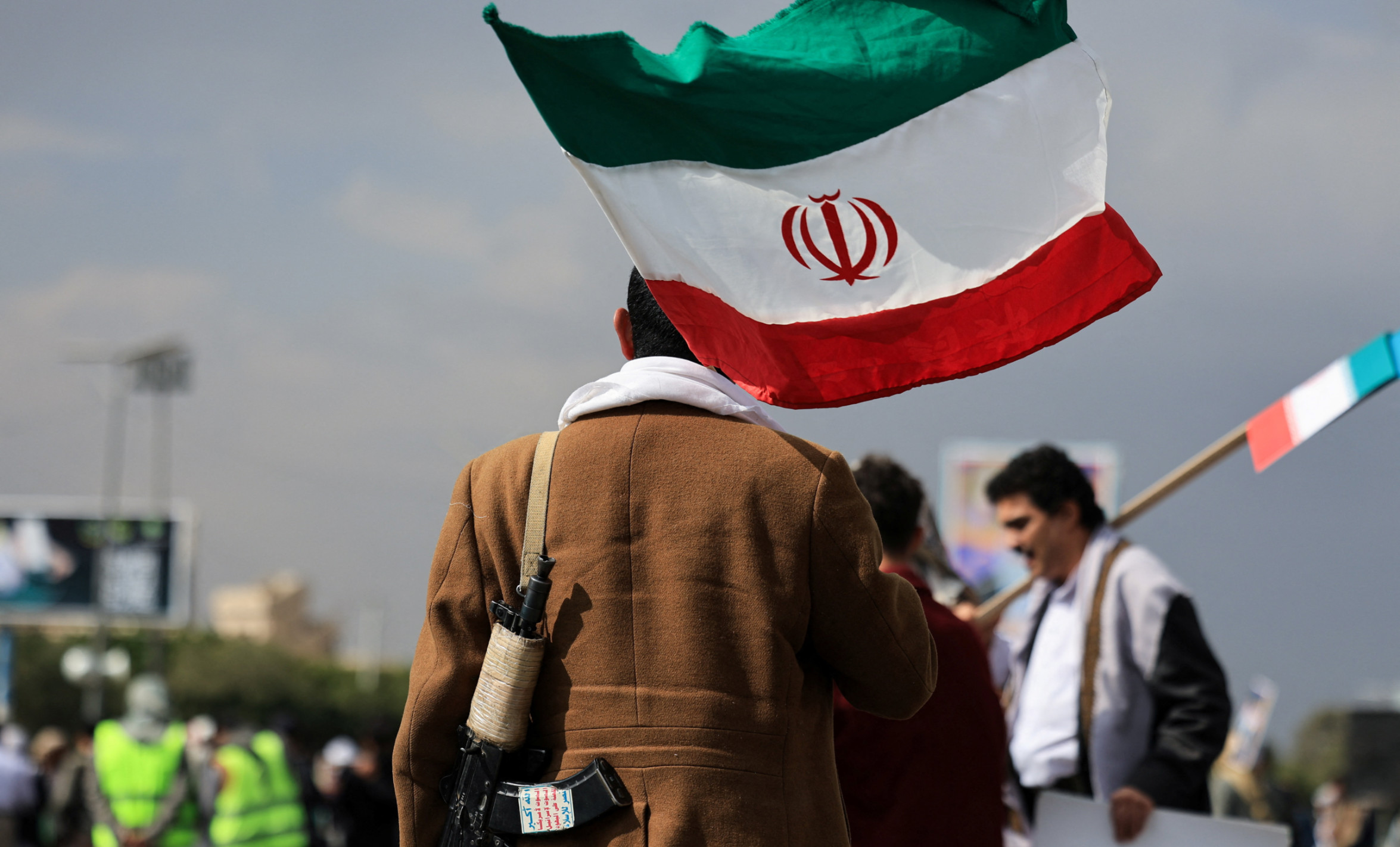
Yemen’s Houthi movement faces critical strategic decisions as regional tensions escalate between Iran and the U.S.-Israel alliance, with analysts suggesting their eventual intervention remains probable but carefully calibrated. According to regional experts, the Iran-aligned group is conducting thorough assessments of geopolitical developments before committing to military action.
Fatehi bin Lazreq, editor of Aden al-Ghad newspaper, indicates the Houthis are evaluating the severity of threats facing Tehran. “If they determine that the threat to the Iranian regime is existential, they will decide to fully engage in the war,” Lazreq told Middle East Eye. This cautious approach contrasts with the group’s immediate mobilization during the 2023 Gaza conflict, when they rapidly initiated attacks on Red Sea shipping lanes.
The movement’s leadership has demonstrated uncharacteristic restraint in recent communications. Abdul Malik al-Houthi’s post-strike address avoided explicit military commitments despite expressing solidarity with Tehran, while his subsequent speech following Supreme Leader Ali Khamenei’s assassination offered condolences without promising armed retaliation.
Internal divisions appear to be influencing the group’s response strategy. Yemeni political analyst Saleh al-Baydani identifies “sharp” disagreements between hardliners advocating immediate military involvement and factions urging restraint. Conflicting statements regarding Red Sea operations—first promising resumed attacks then quickly denying them—suggest significant internal debate about appropriate escalation levels.
The Houthis recognize their strategic dependency on Iranian support. As Lazreq notes, “The Houthis believe that if the Iranian regime falls, they would become exposed, as the supply of drones and missiles—a key element of their strength in recent years—would cease.” This arms pipeline has substantially enhanced their capabilities against domestic rivals and international adversaries.
Military calculations also factor heavily in their deliberation. Research fellow Farea al-Muslimi of Chatham House indicates the group remains conscious of recent losses, including the August 2023 Israeli strike that eliminated the Houthi-run administration’s prime minister and multiple ministers. Additional strikes damaged critical infrastructure including Hodeidah port, oil facilities, and power stations.
Despite these concerns, analysts acknowledge the Houthis’ history of defying expectations. Having operated in conflict environments for over two decades, the group has consistently used warfare to maintain internal mobilization and delay political settlements. Their eventual intervention would likely follow either direct military provocation or initiatives from Iranian or Hezbollah leadership.
The movement’s approach represents what Muslimi describes as “calculated escalation,” with any potential action framed as self-defense rather than outright solidarity with Tehran. This positioning allows them to balance domestic Yemeni interests with international alliance obligations while minimizing exposure to retaliatory strikes.