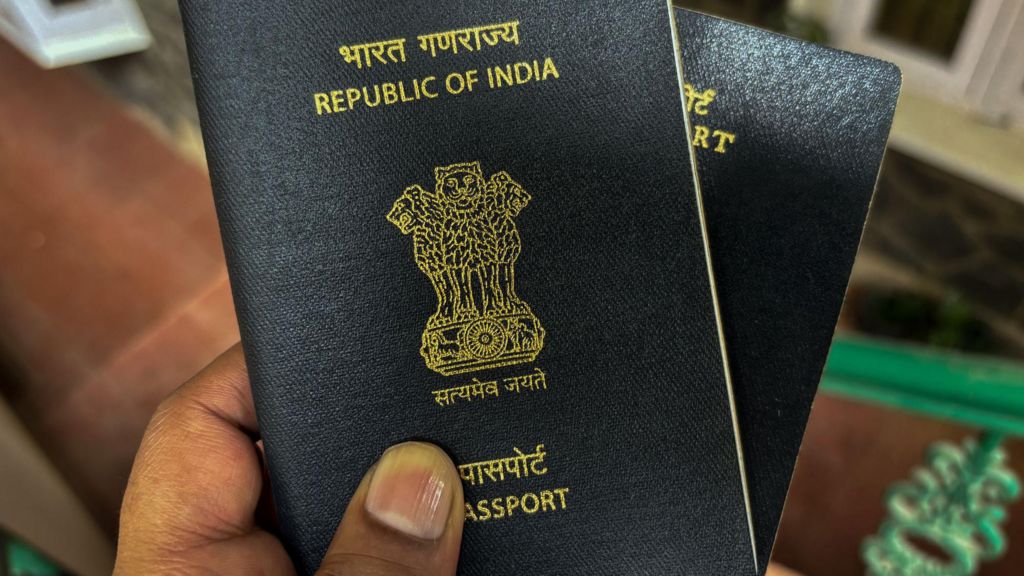
India’s passport has been ranked 85th out of 199 countries in the 2025 Henley Passport Index, a global ranking system based on visa-free travel access. This marks a slight decline from its previous position, highlighting ongoing challenges for Indian citizens seeking international mobility. While the number of visa-free destinations for Indians has increased from 52 in 2015 to 57 in 2025, the country’s ranking has remained stagnant, reflecting a more competitive global landscape in travel partnerships and visa policies. For comparison, Singapore, South Korea, and Japan continue to dominate the index, offering their citizens visa-free access to 193, 190, and 189 countries, respectively. Meanwhile, India shares its 85th rank with Mauritania, an African nation with a significantly smaller economy. Experts attribute India’s stagnant ranking to factors such as political instability, immigration concerns, and cumbersome visa procedures. Achal Malhotra, a former Indian ambassador, notes that India’s historical political upheavals, including the Khalistan movement in the 1980s, have tarnished its global image. Additionally, issues like passport fraud and slow visa processing further hinder its progress. Despite these challenges, India has introduced technological advancements, such as the e-passport, which incorporates biometric data to enhance security. However, experts emphasize that diplomatic outreach and travel agreements remain crucial for improving India’s passport strength and global mobility.