In an unprecedented move against transnational cybercrime, Cambodian authorities have extradited powerful tycoon Chen Zhi to China, marking a rare victory against a sophisticated criminal network accused of orchestrating massive online scams that have defrauded victims worldwide of tens of billions of dollars.
The arrest represents merely the tip of a criminal iceberg that spans Southeast Asia, where an estimated 220,000 people across Myanmar and Cambodia alone are trapped in forced labor conditions according to UN estimates. These victims, recruited from at least 56 countries through deceptive job offers, find themselves confined to sprawling compounds where they work 12-16 hour days under threat of violence.
These scam centers evolved from casino operations that previously catered to Chinese high-rollers. When COVID-19 travel restrictions devastated their revenue streams, criminal syndicates pivoted to digital fraud operations, utilizing existing infrastructure and trafficked labor to target victims globally. The compounds range from massive rural complexes like Myanmar’s notorious KK Park to discreet urban offices, often operating with protection from local elites.
The global impact is staggering: Americans lost approximately $10 billion to Southeast Asian-linked scams in 2024 alone, while victims worldwide have been targeted through increasingly sophisticated methods. Scammers now employ AI-powered translation tools to overcome language barriers and create convincing fraudulent schemes ranging from cryptocurrency investments to fake romantic relationships.
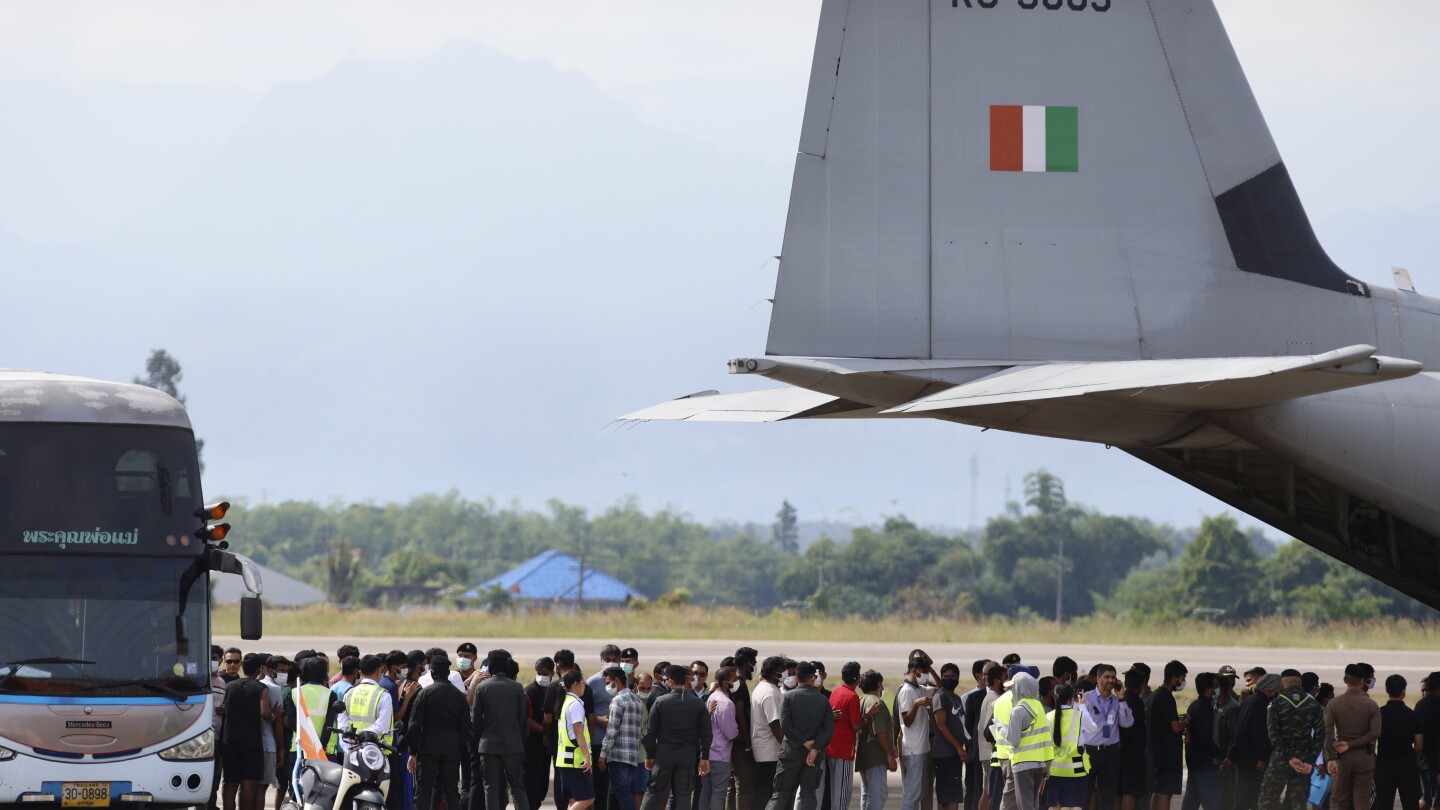
Despite high-profile raids and rescues—such as the 1,500 workers who fled to Thailand during a Myanmar military operation—the industry demonstrates remarkable resilience. New centers continually emerge across the region and beyond, with operations reported as far as Africa and Latin America. Experts emphasize that without targeting the criminal masterminds behind these operations, rather than just rescuing victims, the scourge will continue to proliferate globally.