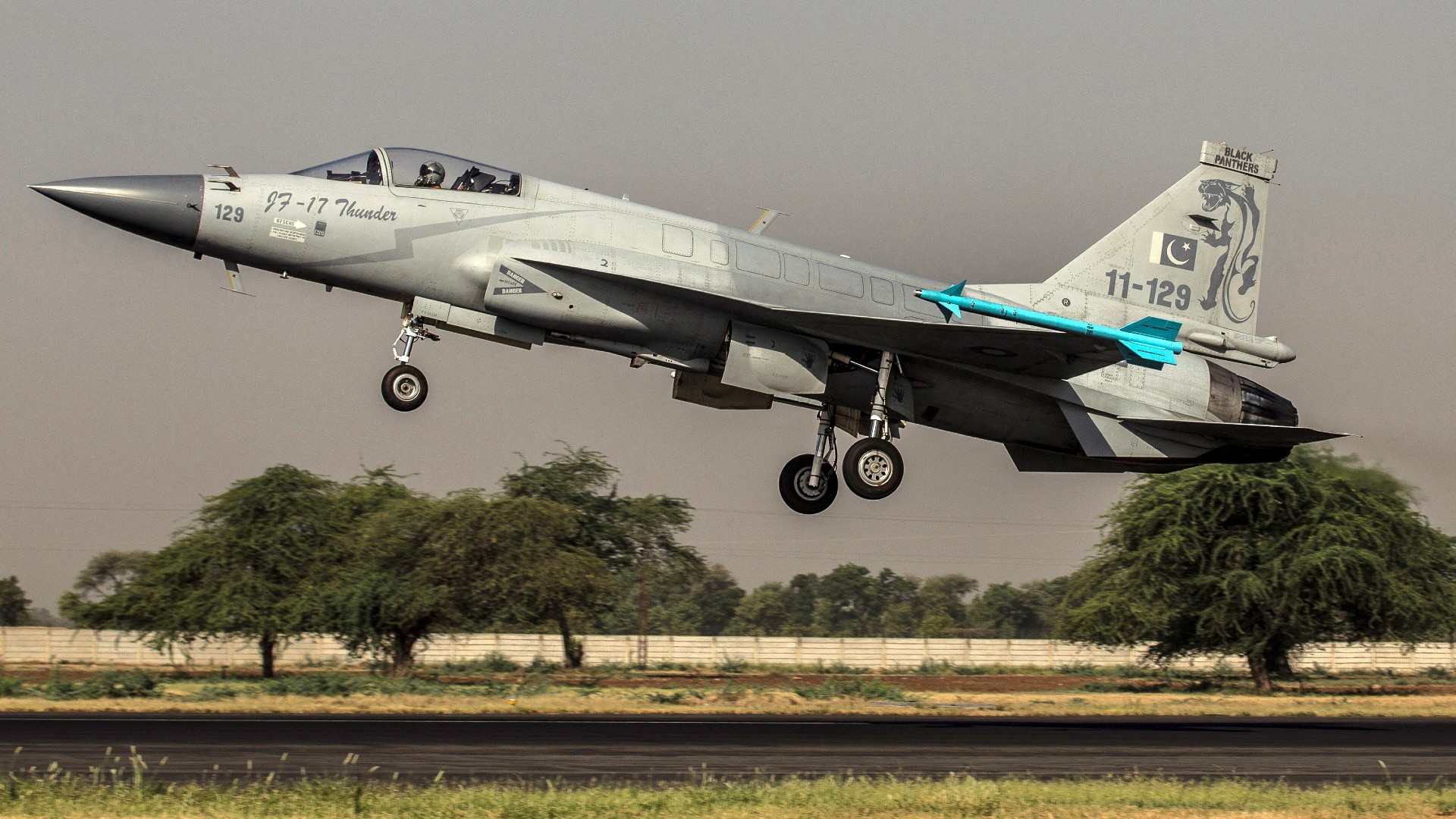
Pakistan is strategically leveraging its recent aerial engagements with India and shifting global alliances to transform its defense export profile, positioning the domestically assembled JF-17 Thunder fighter jet as a credible alternative to Western aircraft. This multi-role combat platform, developed jointly with China’s Chengdu Aircraft Corporation, is being marketed aggressively to budget-conscious nations across the Middle East, Africa, and Southeast Asia seeking to avoid political conditions typically attached to Western arms deals.
The turning point in Pakistan’s marketing campaign came after the February 2025 air confrontation with India, which officials cite as demonstrating the JF-17’s operational capabilities against advanced Western platforms, including India’s French-made Rafale fighters. While the exact combat results remain disputed, the engagement provided Islamabad with valuable combat validation narratives that have resonated with potential buyers.
Significant progress has been made in several key markets. Azerbaijan has emerged as a flagship customer with a $1.6 billion deal for 40 Block III variants, while Nigeria and Myanmar have already incorporated the aircraft into their air forces. Indonesia’s defense minister recently met with Pakistani officials to discuss potential purchases, and Bangladesh’s political changes have created opportunities for defense realignment.
Africa represents particularly promising territory, with Sudan negotiating a $1.5 billion defense package including JF-17s, attack aircraft, and drones. Libya potentially represents Pakistan’s largest arms export deal ever—a reported $4 billion agreement with General Khalifa Haftar’s Libyan National Army covering fighters, trainer aircraft, and naval systems.
The most strategically significant development involves Saudi Arabia, where discussions are underway to convert $2 billion of sovereign loans into a JF-17 order. This potential transaction signals Riyadh’s interest in building strategic hedges beyond traditional Western suppliers, particularly following perceived unreliable American support during previous regional crises.
Despite Pakistan’s enthusiastic marketing, China remains the dominant partner in the JF-17 program, controlling critical avionics and radar systems and retaining veto power over all export agreements. This arrangement creates a unique dynamic where nations seeking Chinese technology can utilize Pakistan as a diplomatic buffer to avoid direct Western backlash.
For Pakistan’s struggling economy—currently under its 24th IMF program—defense exports represent a potential source of high-value foreign exchange. However, analysts caution that industrial capacity limitations may challenge Pakistan’s ability to fulfill multiple large orders while maintaining its own air force readiness.