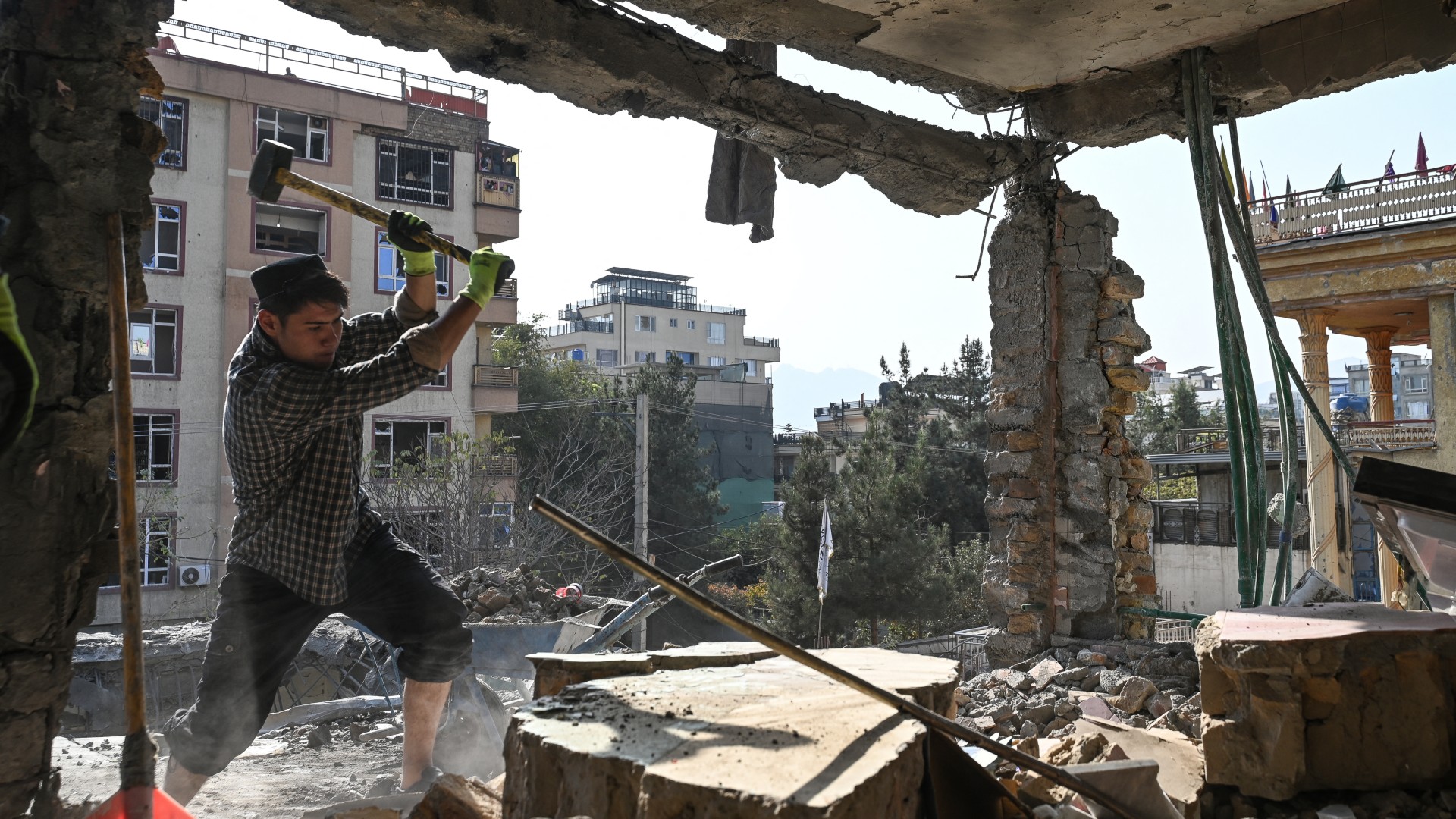
A 48-hour ceasefire between the Taliban administration and Pakistan has brought a temporary lull to one of the world’s most volatile borders, the 2,640-kilometre Durand Line. While the truce offers a brief respite from the intense fighting that has claimed dozens of lives on both sides, it is widely seen as a fragile pause rather than a step toward lasting peace. Witnesses describe the recent violence as unprecedented, with skirmishes escalating into full-scale warfare. The conflict underscores deeper systemic issues, particularly the resurgence of militancy in Pakistan, which analysts link to the Taliban’s return to power in Afghanistan in 2021. Pakistan now faces a security nightmare, with the Taliban accused of sheltering the Tehrik-e-Taliban Pakistan (TTP), a banned militant group responsible for hundreds of attacks. The Global Terrorism Index ranks Pakistan as the world’s second most terrorism-affected country, highlighting the severity of the crisis. The Taliban’s victory has emboldened various militant groups, including the TTP, Islamic State Khorasan Province (ISKP), and Baloch separatists, leading to a surge in terrorist attacks. Despite Pakistan’s military campaigns and diplomatic efforts, the situation remains dire. The Taliban administration faces a policy dilemma: curbing the TTP risks internal dissent, while inaction fuels cross-border violence. Pakistan has shifted from cautious diplomacy to coercive measures, including air strikes in Afghanistan and the expulsion of undocumented Afghans. The ceasefire, brokered by Qatar and Saudi Arabia, offers a temporary reprieve, but analysts warn that without structural changes, the border will remain a powder keg. The fall of Kabul in 2021, once celebrated in Pakistan as a strategic victory, has become the source of its most complex security crisis in decades.