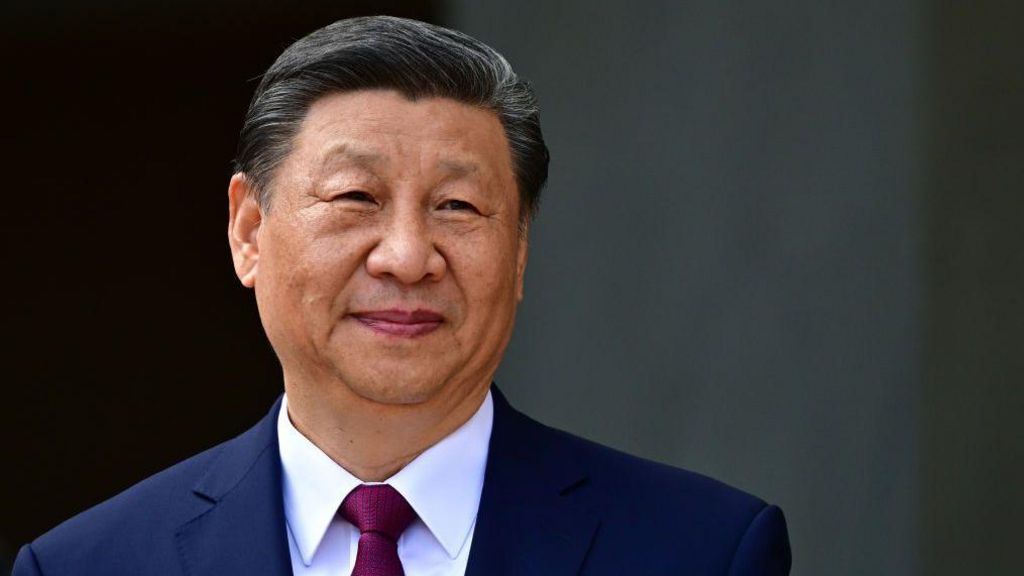
China’s legislative body is poised to enact a comprehensive new law that significantly expands the government’s approach to ethnic minority integration, marking a formalization of policies that critics describe as accelerated cultural assimilation. The “Promoting Ethnic Unity and Progress” legislation, expected to pass during the National People’s Congress session, represents the legal codification of President Xi Jinping’s longstanding call for the “Sinicization of religion” and cultural practices.
The legislation systematically prioritizes Mandarin Chinese over minority languages in educational and public contexts, prohibits restrictions on interethnic marriage, and mandates that parents instill loyalty to the Communist Party in their children. Academics and human rights organizations view these measures as an intensification of existing policies that threaten the cultural preservation of Tibetans, Uyghurs, Mongolians, and other recognized minority groups.
Government spokesperson Lou Qinjian defended the legislation as essential for “ensuring the party’s comprehensive leadership over ethnic affairs” and creating “a shared community for the Chinese nation.” This framing aligns with Beijing’s narrative that cultural integration supports modernization and national stability.
The legal changes occur against a historical backdrop of ethnic tensions. Since the 2008 Tibetan uprising and subsequent violent clashes in Xinjiang, Chinese authorities have increasingly implemented policies aimed at suppressing separatist sentiments. These include the much-criticized re-education camps in Xinjiang, where over a million Uyghurs are reportedly detained, and restrictions on religious practices including mosque demolitions and monastery controls.
Demographic considerations appear central to the policy direction. While Han Chinese constitute over 90% of China’s population, minority groups inhabit strategically vital border regions rich in natural resources. The government has actively encouraged Han migration to these areas while promoting interethnic marriage through financial incentives, altering the demographic and cultural landscape of regions like Tibet and Xinjiang.
University of Pennsylvania researcher Aaron Glasserman notes that the law primarily serves as an ideological framework rather than a practical judicial tool: “It formalizes what was previously policy, providing clearer directives for local officials implementing assimilation measures.”
International advocacy groups including Human Rights Watch have condemned the legislation as further erosion of minority rights. With limited ability to voice dissent within China, exiled communities and international organizations remain the primary critics of what they characterize as systematic cultural erasure mandated at the highest levels of government.