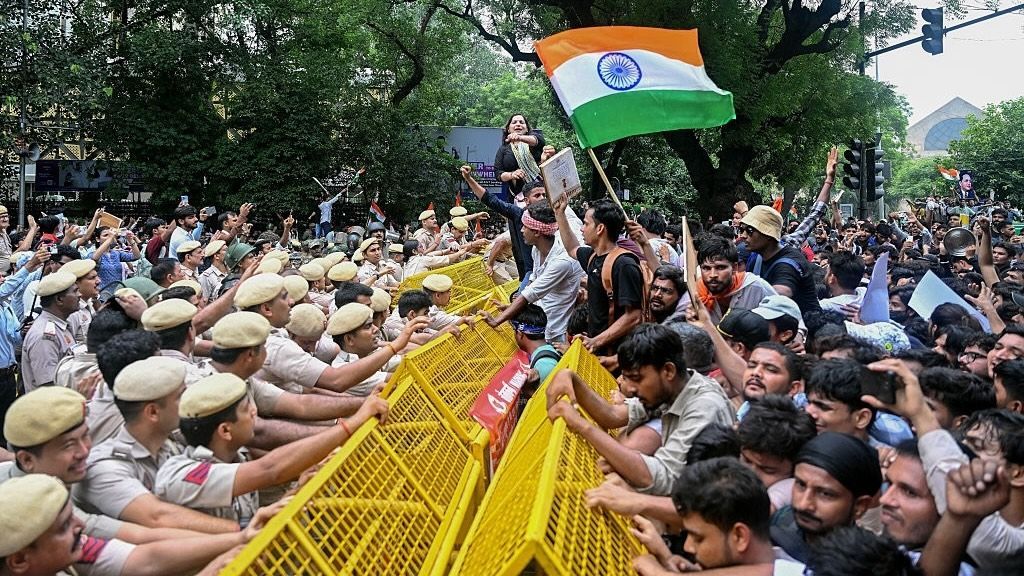
Across India, tens of thousands of demonstrators have mobilized in public spaces in what has become one of the most significant grassroots protest movements the country has seen in recent years. What began as a localized outcry over unchecked corruption, bureaucratic negligence, and the exploitative practices of state-backed sand mining mafias in the southern state of Karnataka has quickly erupted into a nationwide movement that has captured public attention. The movement’s unconventional mascot – the humble cockroach – has become its most recognizable symbol, and its roots trace back to a controversial comment from a senior state politician. In a 2024 public address, Karnataka’s incumbent Chief Minister Siddaramaiah dismissively labeled opposition protestors who were criticizing his administration’s corruption as “cockroaches that need to be stamped out.” Instead of silencing critics, the insult backfired spectacularly: activists embraced the label, turning the disparaging comparison into a rallying cry. Protestors argue that just as cockroaches thrive in unhygienic, dark environments, systemic corruption festers in the hidden, unaccountable corners of state governance – framing themselves as the unwanted pests that will not be erased until the rot of corruption is rooted out. Demonstrations have stretched across major urban centers, from Bengaluru to New Delhi, with participants cutting across demographic lines: students, working-class laborers, civil society activists, and opposition party members have all joined the call for greater government accountability, an end to illegal resource extraction, and transparent policy making. While the movement began as a response to local grievances, it has tapped into a broader national frustration with persistent corruption across all levels of Indian politics, turning a regional dispute into a conversation about systemic change. The “cockroach” mascot has also spawned widespread viral engagement on social media, with users sharing memes, protest art, and calls to action that have expanded the movement’s reach far beyond Karnataka’s borders.