Zagreb’s acclaimed Christmas market has emerged as a transformative economic engine for Croatia, strategically repositioning the Balkan nation from a seasonal summer destination to a year-round tourism hub. The capital’s Zagreb Advent event, recognized as Europe’s best Christmas market for three consecutive years (2015-2017), has become the centerpiece of Croatia’s ambitious tourism diversification strategy.
Croatia’s tourism sector, accounting for over 20% of the national economy, has historically relied heavily on summer visitors drawn to the Adriatic coast. Tourism Minister Tonci Glavina emphasizes the strategic shift: ‘We are developing as a year-round tourism destination – we are not a summer destination anymore. Croatia has achieved significant development beyond just sun and sea.’
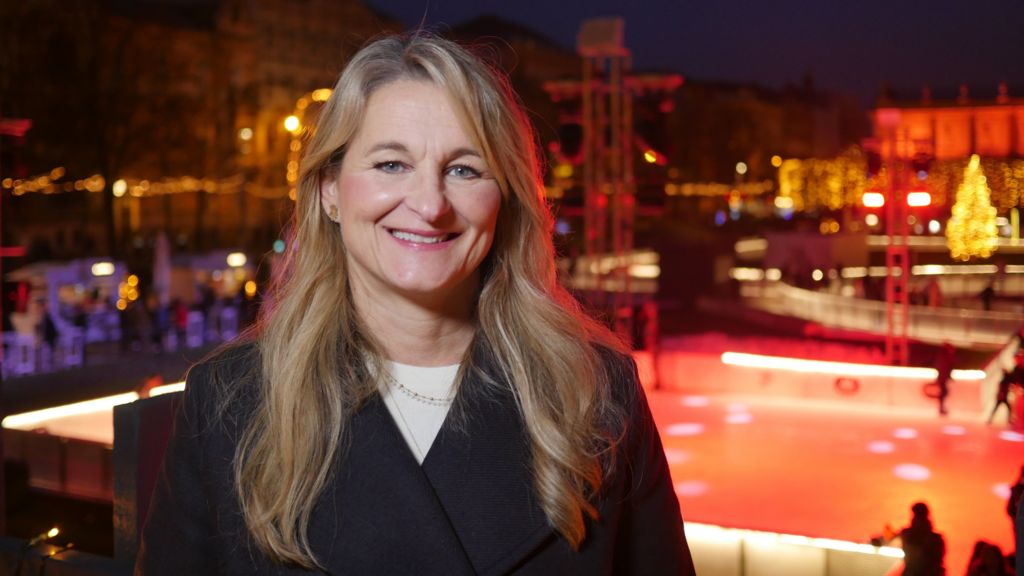
Zagreb Advent represents a multi-venue urban transformation that engulfs the city center throughout December. Unlike single-location markets elsewhere, Zagreb’s offering features distinct thematic areas with unique decorations and content. The experience encompasses traditional seasonal staples like sausages and mulled wine alongside multiple music stages, craft stalls, traditional Croatian food vendors, art installations, and a massive ice rink.
The economic impact has been substantial. Overnight stays in December more than doubled from 100,198 in 2014 to 245,352 in 2024, generating approximately €100 million in economic activity. Marketing efforts have expanded from neighboring countries to international campaigns in London tube stations and Milan buses, with special trains bringing visitors from Slovenia and Hungary.
Despite its success, Zagreb remains a newcomer compared to European Christmas market heavyweights. Cologne’s market anticipates four million visitors with €229 million economic impact, while Vienna attracts 2.8 million and Strasbourg two million. Dresden’s market, dating to 1434, highlights Zagreb’s relatively brief 11-year history.
Academic experts like Marko Peric, Dean of Tourism at the University of Rijeka, acknowledge the ‘unusually high’ December arrivals but caution that Croatia must further develop its off-season offerings. Minister Glavina points to promising trends, including 5% growth in June and September arrivals and a 10% year-on-year increase in early December visitors, indicating successful shoulder season development.
The strategy exemplifies sustainable tourism transformation, balancing peak season stability with expanded shoulder season offerings while promoting lesser-known destinations across Croatia.